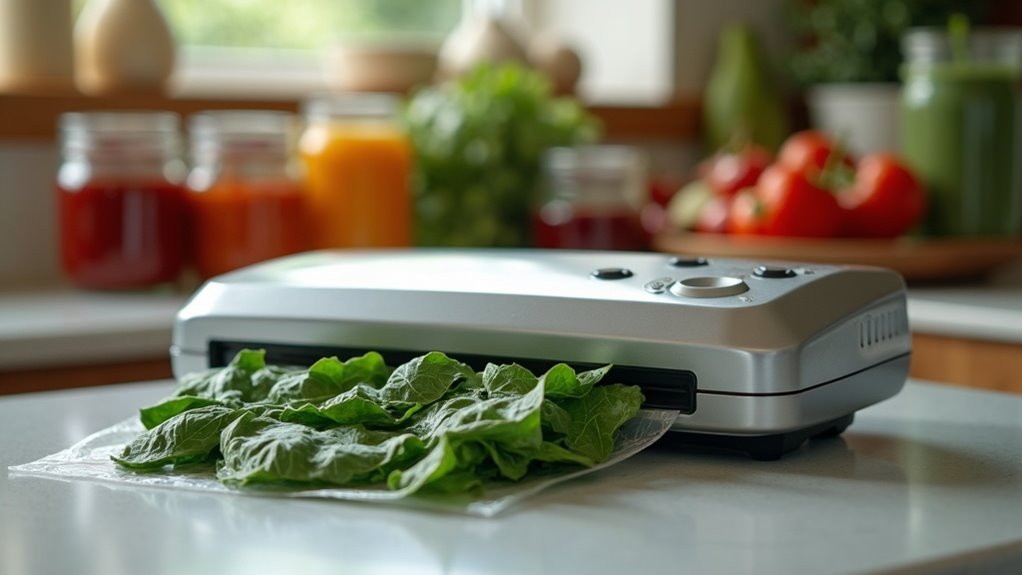
Vacuum sealing is a vital technique for survivalists and preppers, as it preserves food by creating an oxygen-free environment that significantly extends shelf life while inhibiting bacterial growth. By removing air from packaging, this method reduces spoilage, maintains nutritional value, and prevents freezer burn—essential factors when preparing for emergencies. Vacuum sealing is crucial for long-term food storage, safeguarding against oxidation and moisture loss, ensuring your supplies remain viable when needed most. However, it’s important to be aware of common misconceptions regarding its effectiveness. Understanding the best practices and limitations of vacuum sealing can enhance your food preservation strategies, empowering you to make informed choices for your survival supplies.
Key Takeaways
- Vacuum sealing removes air, creating an oxygen-free environment that inhibits bacteria and mold growth, crucial for long-term food storage in survival scenarios.
- The process minimizes oxidation, preserving the nutritional value, flavor, and texture of food items, ensuring you have high-quality provisions during emergencies or extended periods without fresh supplies.
- Vacuum-sealed food is protected from freezer burn and dehydration, maintaining quality during storage, which is vital for preppers looking to maximize their food reserves.
- Proper sealing reduces food waste by preventing spoilage, allowing for efficient resource management, a key principle in preparedness planning.
- Vacuum sealing facilitates space-saving storage, helping to organize your stockpile of food in refrigerators and freezers effectively, ensuring that everything is easily accessible when needed.
Understanding Vacuum Sealing and Its Benefits
Vacuum sealing is an essential technique for preserving food that’s particularly valuable for survivalists and preppers. By effectively eliminating air from packaging, it creates an oxygen-free environment that significantly extends the shelf life of food. This method is crucial for curbing bacteria growth and spoilage, which is vital when planning long-term food storage.
Vacuum sealing not only maintains the nutritional value and flavor of essential items like meats and vegetables but also reduces oxidation and moisture loss—key factors in preserving food for emergency situations.
Vacuum sealing preserves the nutritional value and flavor of food while preventing oxidation and moisture loss, essential for emergencies.
Vacuum-sealed food can last up to five times longer than conventionally stored items, especially when kept in refrigerated or frozen conditions, thereby aiding in reducing food waste.
Furthermore, this technique prevents freezer burn, ensuring that the texture and taste of frozen foods remain intact during proper storage.
For those preparing for uncertain times, mastering vacuum sealing can be a game-changer in food preservation and self-sufficiency.
How Vacuum Sealing Works
Understanding how vacuum sealing works is crucial for survivalists and preppers looking to maximize their food preservation strategies. This method involves removing air from vacuum-sealable bags, creating an anaerobic environment that inhibits the growth of bacteria and mold—critical factors when storing food long-term for emergencies.
By eliminating oxygen, vacuum sealing effectively reduces oxidation, safeguarding food quality, flavor, and nutritional value, which is vital when preparing for uncertain times. This process is suitable for various food types, extending their shelf life by up to five times compared to traditional methods, ensuring you have reliable food supplies when needed.
Additionally, vacuum sealing prevents freezer burn and dehydration, preserving texture and overall quality, making it a key technique for effective long-term food storage in any prepper’s arsenal.
Prioritizing food safety through vacuum sealing is essential for ensuring that your stored provisions remain viable and nutritious when it matters most.
Benefits of Vacuum Sealing for Food Preservation
When it comes to food preservation in the realm of survivalism and prepping, the advantages of vacuum sealing are invaluable. This technique significantly extends shelf life by removing oxygen, which is essential for inhibiting bacteria growth and spoilage—critical factors when preparing for emergencies.
By creating an airtight seal, you also minimize the risk of freezer burn, safeguarding your supplies from the damaging effects of cold, dry air.
Moreover, vacuum sealing effectively preserves the nutritional value, flavor, and texture of your food, ensuring you maintain high-quality provisions over time. This method also promotes space-saving storage, making it easier to organize your food supplies in your refrigerator, freezer, or even in your long-term storage areas.
Ultimately, vacuum sealing reduces food waste, translating to cost savings and improved resource management, which is crucial for any prepper looking to remain self-sufficient during challenging times.
Best Practices for Effective Vacuum Sealing
To optimize the advantages of vacuum sealing for long-term food preservation and preparedness, it is essential to implement best practices that ensure the process’s reliability. Start by ensuring that both food items and vacuum-sealing bags are clean and dry to avoid contamination. Steer clear of overfilling bags, as this allows for an effective seal that removes air. Always utilize specially designed vacuum-sealing bags for enhanced durability and resistance to punctures. Regularly check the integrity of seals to identify any air leaks. Store your vacuum-sealed food in cool, dry areas or utilize refrigeration/freezing methods to extend shelf life.
| Best Practices | Importance | Tips |
|---|---|---|
| Clean and dry items | Prevents contamination | Wipe surfaces before sealing |
| Avoid overfilling | Ensures effective sealing | Fill bags to the recommended level |
| Use proper bags | Minimizes punctures and leaks | Choose thicker, food-safe bags |
| Monitor seals | Prevents spoilage and waste | Inspect regularly for air leaks |
Common Misconceptions About Vacuum Sealing
What misconceptions might you have about vacuum sealing and its effectiveness in food preservation for your survival and prepping needs? Understanding these can enhance your food safety practices:
- Vacuum sealing doesn’t make food shelf-stable; refrigeration or freezing is still essential for perishables, even in a survival situation.
- Spoilage can still occur due to bacteria like Clostridium botulinum in anaerobic environments, which is crucial to consider when storing long-term food supplies.
- Not all foods are suitable for vacuum sealing; high-moisture items like garlic and onions can promote harmful bacteria growth, so choose your food wisely for preparedness.
- It’s not a substitute for heat treatment; combine vacuum sealing with appropriate processing methods for safety and longevity in your food storage.
- While vacuum sealing reduces exposure to air, some residual air remains, contributing to spoilage over time, so ensure you regularly check your supplies for quality.