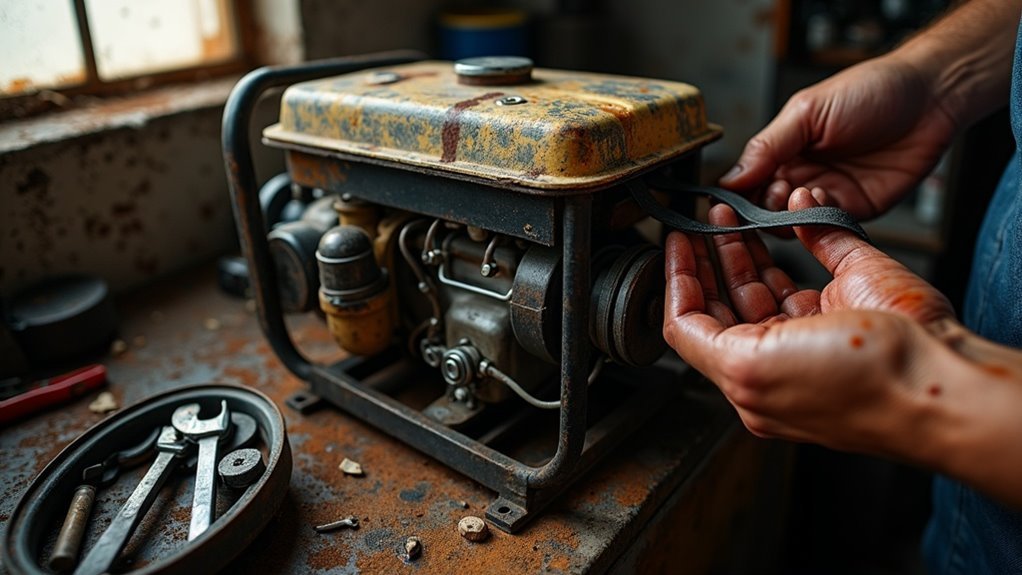
Generators are essential tools for survivalists and preppers, requiring regular maintenance to ensure optimal performance and reliability. Over 70% of generator failures stem from minor, often overlooked issues that could lead to dangerous outages during critical moments. Conducting routine checks on the fuel system, engine, and electrical components is vital to prevent blockages and damage, ultimately extending the generator’s lifespan. Furthermore, regular oil changes and exercising the generator keep it in peak condition, ready for any emergency scenario. By understanding and implementing effective maintenance practices, you can enhance your preparedness and reliability when it matters most.
Key Takeaways
- Regular maintenance is essential for survivalists, as it prevents over 70% of generator failures caused by minor issues, ensuring reliable operation during critical moments when power is crucial.
- Routine checks of the fuel system and electrical components are vital for enhancing performance and preventing dangerous conditions like fuel leaks that could compromise safety during emergencies.
- Consistent upkeep, including timely oil changes, not only extends the lifespan of your generator but also avoids costly repairs that could leave you vulnerable in a crisis.
- Monthly exercise of the generator keeps it in optimal condition and ready for unexpected power outages, a key factor in effective preparedness.
- Outsourcing maintenance to experts can provide you with peace of mind, reducing the risk of breakdowns and ensuring dependable operation when you need it most in survival situations.
The Critical Role of Generator Maintenance
When you consider the importance of maintaining a generator for survival situations, it becomes clear that neglecting regular upkeep can lead to significant failures at the worst possible time.
Regular inspections of key components like the engine, alternator, and fuel system are essential for ensuring peak performance when you need it most. By performing maintenance tasks such as oil changes and filter inspections, you can extend the lifespan of your generator and avoid costly repairs that could jeopardize your preparedness.
Regular inspections and maintenance are vital for your generator’s reliability and longevity, ensuring it performs optimally when you need it most.
Implementing preventive measures not only safeguards against operational disruptions during emergencies but also enhances safety by mitigating hazards like fuel leaks, which can be particularly dangerous in a survival scenario.
Ultimately, consistent generator maintenance provides peace of mind, ensuring reliability during power outages or crises when you need it to function flawlessly.
Consequences of Ignoring Maintenance
Neglecting generator maintenance can have serious repercussions, particularly for those focused on survivalism and prepping. Over 70% of generator failures stem from minor, overlooked issues that can escalate into costly repairs and threaten your preparedness plans.
Failing to perform regular maintenance increases the risk of power failures during critical moments, leaving you and your loved ones vulnerable when reliable power is most needed. Moreover, an unmaintained generator can create dangerous conditions, such as fuel leaks that not only pose fire risks but can also jeopardize your entire survival setup.
The downtime from repairs will likely be extended due to the neglect, resulting in higher costs and extended periods without power. Prioritizing generator maintenance is vital to ensure your safety and the reliability of your emergency power supply.
Key Components to Monitor Regularly
To ensure your generator remains a reliable asset in your survival preparations, it’s crucial to regularly monitor the fuel system and electrical components.
Conducting routine checks can prevent oxidation and blockages in the fuel system, which is essential for maintaining optimal engine performance.
Furthermore, inspecting the health of your electrical components every few years is vital for ensuring dependable operation and extending the lifespan of your generator, ultimately supporting your preparedness efforts in any emergency situation.
Fuel System Integrity
While maintaining the fuel system of your generator might appear to be a simple task, it’s vital for ensuring your preparedness during emergencies. Regular upkeep is crucial to avert fuel blockages and prevent engine damage caused by contaminated fuel.
Keep a close eye on the fuel filter and replace it as necessary to ensure optimal fuel quality. It’s also important to inspect fuel lines and pumps for leaks every few years, as these can create significant safety hazards.
- Enhance your generator’s reliability during crises
- Avoid expensive engine repairs that could leave you unprepared
- Minimize the risk of dangerous fuel leaks in your survival setup
- Ensure dependable operation when you need it most
- Protect against fuel contamination to maintain readiness
Electrical Component Health
Ensuring the integrity of your generator’s fuel system is crucial for optimal performance, but the health of electrical components is equally vital for reliability in survival situations. Regular maintenance of essential electrical components such as batteries and wiring is key, as their lifespans typically range from 2 to 3 years. Neglecting these checks can lead to unexpected failures when you need your generator the most. Secure connections are critical to prevent voltage drops, and monitoring the health of the alternator protects against wear or damage that could compromise your power supply. Regularly testing the voltage regulator is necessary to ensure it produces the proper output and prevents damage to your equipment. Adopting a proactive maintenance approach minimizes operational disruptions, ensuring your power sources remain reliable when it matters most.
| Component | Maintenance Focus |
|---|---|
| Batteries | Check lifespan and connections |
| Wiring | Inspect for wear or damage |
| Alternator | Monitor health and output |
| Voltage Regulator | Test settings for accuracy |
Best Practices for Generator Care
Effective generator care is crucial for survivalism and prepping, ensuring that you have a reliable power source during emergencies. Adhering to these best practices can enhance the reliability and longevity of your generator:
- Regularly check oil levels, air filters, and fuel systems to identify and address issues before they escalate.
- Exercise your generator for 20-30 minutes under moderate load each month to keep it in optimal working condition and ready for use in an emergency.
- Maintain a clean generator by removing debris, which can prevent overheating and ensure efficient operation.
- Schedule routine maintenance checks, including battery inspections and fuel quality assessments, to maximize the generator’s lifespan and readiness.
- Keep detailed records of all maintenance activities to track service history, ensuring peak performance and compliance with warranty conditions, which is essential for long-term preparedness.
Benefits of Routine Maintenance
Routine maintenance is essential for ensuring your generator’s reliability and performance, which is crucial for survival situations and prepping.
By regularly inspecting and servicing key components, you reduce the likelihood of unexpected failures and costly repairs, allowing you to remain prepared during emergencies.
This proactive approach ensures that your generator operates efficiently, providing you with a dependable power source during critical outages when you need it most.
Investing time in maintenance today can mean the difference between being ready for any situation and facing unnecessary challenges tomorrow.
Cost Savings Over Time
When you prioritize generator maintenance, you’ll likely experience significant cost savings over time, essential for any survivalist or prepper.
Regular maintenance helps avoid costly repairs, extending your generator’s lifespan and ensuring it runs efficiently when you need it most. A well-maintained unit reduces fuel consumption, leading to lower energy costs during outages—critical when resources are limited.
Scheduling routine checks before peak storm seasons or emergencies prevents operational disruptions, safeguarding against financial losses and ensuring your power supply remains reliable.
- Avoid expensive repairs
- Extend generator lifespan for long-term use
- Cut down on fuel expenses
- Minimize disruptions during critical times
- Protect against unexpected power failures
Investing in routine maintenance isn’t just about keeping your generator in good shape; it’s a wise strategy for securing your preparedness and peace of mind in uncertain situations.
Enhanced Reliability and Performance
Enhanced reliability and performance of your generator are crucial for effective survivalism and prepping. Consistent maintenance practices help address potential issues before they escalate, ensuring your generator is ready when you need it most. Regular maintenance can prevent over 70% of failures, significantly enhancing reliability during power outages or emergencies. Routine servicing not only extends your generator’s lifespan but also optimizes component performance, leading to improved fuel efficiency and reduced emissions—essential factors for any prepper.
| Maintenance Task | Benefit |
|---|---|
| Oil Changes | Prevents engine wear |
| Filter Inspections | Guarantees clean operation |
| Monthly Load Testing | Prevents operational failures |
| Regular Servicing | Identifies potential issues |
Why Outsourcing Maintenance Is Advantageous
Outsourcing generator maintenance is a strategic move for survivalists and preppers, ensuring that your backup power systems remain reliable and efficient when you need them most. By utilizing specialized expertise, you can improve performance and extend the lifespan of your generators.
Here are some key benefits of outsourcing maintenance in the context of preparedness:
- Expert preventive care helps prevent unexpected breakdowns that could leave you powerless during emergencies.
- Cost savings can be realized as fewer emergency repairs reduce overall expenses.
- Minimized downtime is crucial during critical power outages, allowing you to maintain essential operations.
- Streamlined operations enable you to focus on other vital aspects of your prepping strategy.
- Enhanced reliability ensures that your generators will perform when the grid fails.