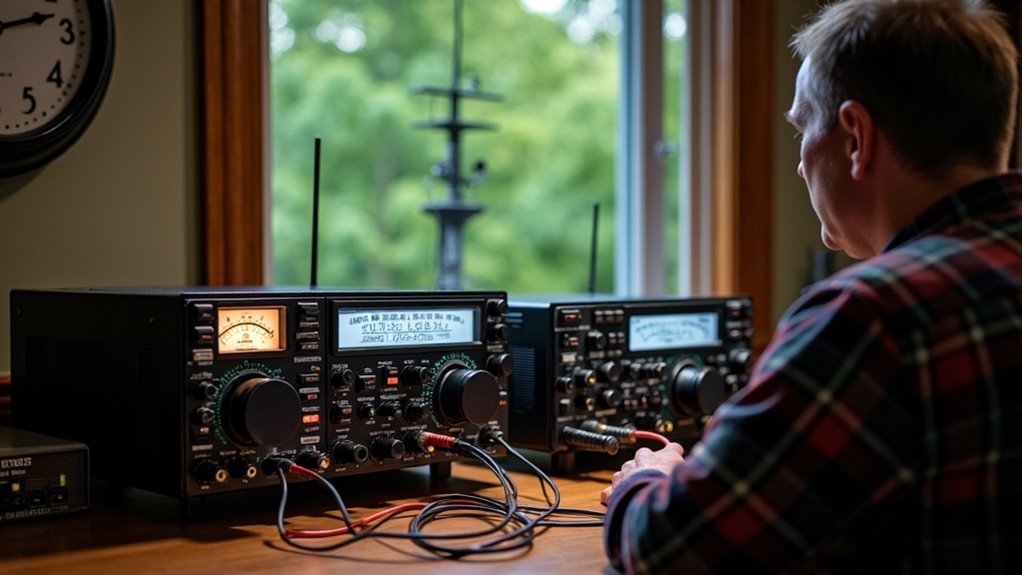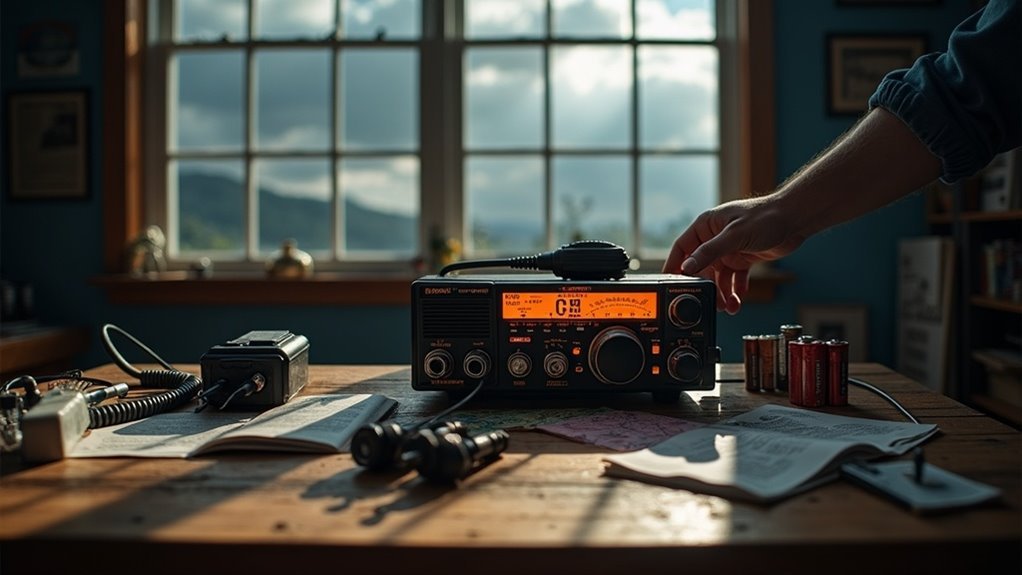
Ham radio is an essential communication tool for survivalists and preppers during emergencies. It operates independently of traditional systems, ensuring reliable connections when other methods fail. With licensed operators across the globe, ham radio enables crucial coordination during disasters, making it an invaluable asset for those focused on preparedness. Its versatility allows for both local and international messaging, which enhances situational awareness in critical situations. However, effective use of ham radio requires proper licensing and equipment. Dive deeper into the operation, advantages, and practical applications of ham radio for emergency preparedness and response.
Key Takeaways
- Ham radio serves as a vital tool for emergency communication, especially important for survivalists during natural disasters when conventional systems may break down.
- Licensed operators can quickly set up communication networks, enabling effective coordination with emergency services and fellow preppers.
- High Frequency bands allow for global communication, ensuring that those prepared can connect across great distances without reliance on existing infrastructure.
- Knowledge of Morse Code can significantly enhance a ham operator’s skills, providing a backup method for transmitting messages when voice communication is compromised.
- Essential gear for preppers includes handheld radios and robust batteries, ensuring dependable operation during prolonged emergencies and enhancing overall preparedness.
Understanding Ham Radio and Its Importance in Emergencies
When traditional communication systems fail, ham radio becomes an invaluable tool for survivalists and preppers during emergencies.
Ham radio operators are vital in maintaining reliable connectivity for emergency communications, particularly during natural disasters. Organizations like the Amateur Radio Emergency Service (ARES) equip volunteers with effective communication techniques, facilitating coordinated responses with government agencies and other preparedness groups.
Ham radio operators play a crucial role in ensuring reliable emergency communications, especially during natural disasters.
These operators hold the necessary licenses, ensuring they’re well-prepared to handle crises efficiently. By functioning independently of commercial power and infrastructure, ham radios significantly enhance public safety, providing essential communication when it’s needed most.
Their resilience and self-sufficiency make them a critical asset for anyone serious about preparedness in catastrophic events.
How Ham Radio Operates Independently
Ham radio operates independently, making it an invaluable tool for survivalists and preppers during emergencies. It bypasses conventional communication systems, ensuring that you stay connected when traditional networks fail.
Here’s how ham radio excels in a survival scenario:
- Licensed radio amateurs can establish communication quickly in any environment, which is essential for effective preparedness.
- High Frequency (HF) bands enable global communication without relying on existing infrastructure, allowing for information exchange across vast distances.
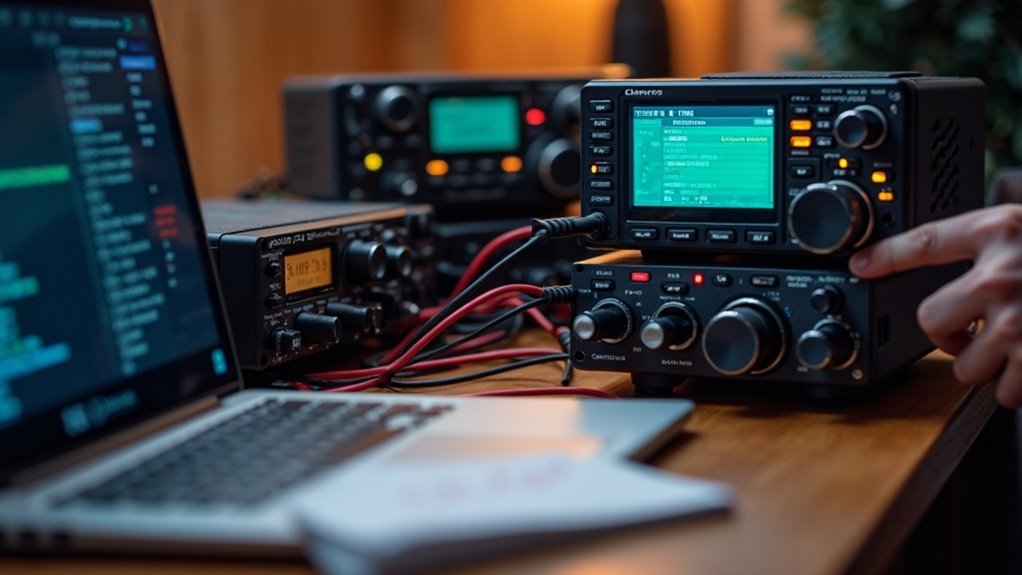
- Operators utilize simple equipment, such as handheld radios and batteries, making it accessible for anyone looking to enhance their survival toolkit.
- Portable stations can be improvised, offering flexibility and adaptability in crisis situations, which is crucial for staying informed and connected.
- It reduces choke points in communication, improving coordination for local communities and emergency management agencies during a disaster.
In a survival situation, ham radio becomes a lifeline, ensuring that crucial information flows freely and that you remain connected to your network and resources.
Key Advantages and Limitations of Ham Radio
Ham radio provides exceptional communication flexibility, enabling connections across a wide range of frequencies, which is especially crucial during emergencies when traditional systems may be compromised.
This capability can be a vital asset for survivalists and preppers who prioritize reliable communication in critical situations.
However, it’s important to recognize its limitations, including the requirement for a license and the potential for interference from environmental factors.
A clear understanding of these advantages and drawbacks is essential for anyone focused on effective emergency preparedness.
Communication Flexibility
While many communication methods falter during emergencies, ham radio remains a crucial tool for survivalists and preppers due to its unmatched flexibility and reliability.
Here are key aspects that enhance its value in emergency situations:
- Access to numerous frequencies to meet diverse communication needs, ensuring you can reach others regardless of the situation.
- Operates independently of traditional infrastructure, making it a vital resource when conventional systems fail.
- Higher power levels provide extended coverage, allowing communication over long distances when you need it most.
- Facilitates both local and international messaging, connecting you with fellow preppers and emergency services around the globe.
- Enhances situational awareness during emergency response, helping you stay informed and make sound decisions.
While a license is required to communicate legally, ham radio allows interactions with other licensed amateur radio operators, creating a network of support.
Keep in mind that factors such as terrain and weather can impact communication reliability, but overall, its flexibility makes ham radio an essential tool for anyone serious about survival and preparedness.
Signal Limitations
While ham radio can be a valuable tool for survivalists and preppers during emergencies, it’s essential to understand its limitations.
Signal reliability can be compromised by various factors such as terrain, weather conditions, and physical barriers, which may impede effective communication when it matters most.
Unlike professional emergency services, ham radio operators are volunteers, and their availability can fluctuate, potentially impacting overall response efforts.
Furthermore, a license is required to transmit messages, which might discourage some potential users, although listening is permissible without one.
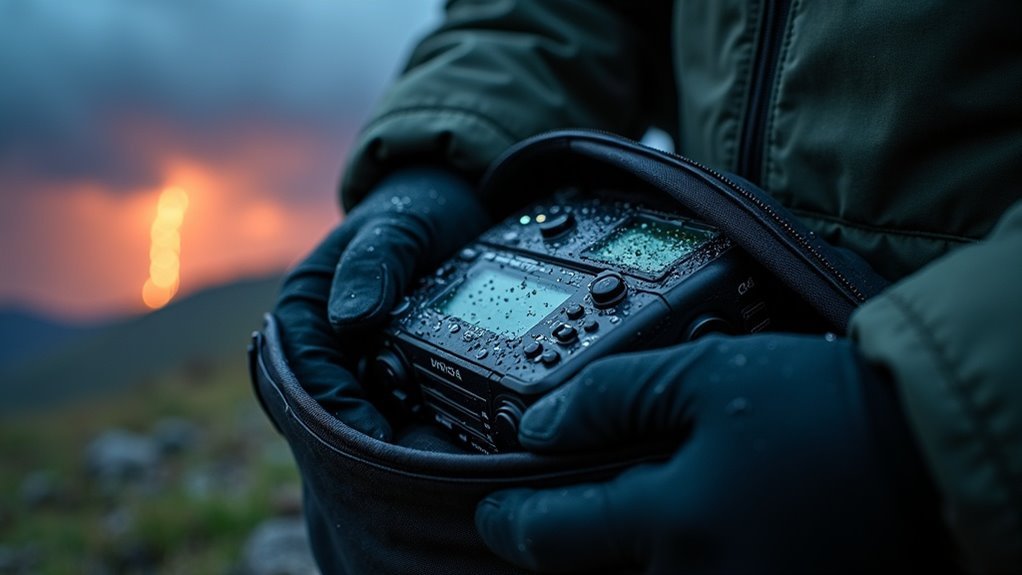
Lastly, given that ham radios rely on battery power, operation time can be limited during extended emergencies, making power management crucial for sustaining communication when survival is at stake.
Licensing Requirements for Ham Radio Operators
To operate a ham radio legally, it’s crucial to obtain a license from your country’s regulatory body, such as the FCC or Ofcom.
In the context of survivalism and prepping, having a ham radio can be an invaluable tool for communication during emergencies or when traditional networks fail.
Understanding the different license types and preparing for the associated exams is essential for your success in this endeavor.
Let’s explore what each license offers and how to effectively prepare for the exam, ensuring you’re equipped to stay connected when it matters most.
License Types Explained
Obtaining a ham radio license is crucial for survivalists and preppers who want to communicate effectively, especially during emergencies or in isolated situations. Various license types cater to different needs and privileges.
- Technician: An entry-level license that allows for local communication, perfect for networking within your community during a crisis.
- General: This license grants worldwide communication capabilities, enabling you to reach out for assistance or share vital information beyond local areas.
- Extra: Provides access to all frequencies, including rare stations, which can be invaluable in emergency scenarios when every connection counts.
- Foundation (UK): A beginner-friendly license offering limited frequency access, ideal for those just starting in the radio communication field.
- Intermediate and Full (UK): These licenses allow for broader communication privileges, essential for more experienced operators looking to enhance their preparedness.
Each license requires training in technical knowledge, equipment operation, and regulations, ensuring that you’re well-prepared for effective communication during emergencies and public service events.
Being licensed not only enhances your skills but also strengthens your ability to navigate challenging situations.
Exam Preparation Tips
Preparing for your ham radio licensing exam is a crucial step in becoming a proficient operator, especially for those interested in survivalism and prepping. A solid understanding of radio theory, operating procedures, and emergency communication protocols is vital for effective communication during crises.
Leverage training resources such as study guides, online courses, and local amateur radio clubs that provide classes tailored to survival communication needs. Regular practice with equipment and participation in local communication drills will enhance your skills and readiness.
Additionally, knowledge of Morse Code can be an asset in emergency situations. As you prepare, ensure you have a thorough understanding of the three license classes, which will equip you to handle various scenarios as a prepared ham operator in times of need.
Regulatory Body Requirements
While you may be eager to start communicating via ham radio as part of your survivalism and prepping efforts, it’s crucial to understand that you’ll need a license from the appropriate regulatory body, such as the FCC in the United States or Ofcom in the UK.
The licensing process involves passing an exam on radio theory, regulations, and operating practices. Here’s what you should know:
- There are three license classes: Technician, General, Extra
- The Technician license is the easiest to obtain, making it accessible for those starting their prepping journey
- Higher-level licenses provide greater privileges, allowing for more extensive communication capabilities
- Monitoring ham radio frequencies doesn’t require a license, which can be beneficial for staying informed
- Having a license enables amateur operators to communicate effectively, especially in emergencies, which is vital for any survivalist.
Essential Equipment for Emergency Communication
When it comes to emergency communication, having the right equipment is crucial for ensuring your safety and the safety of those around you.
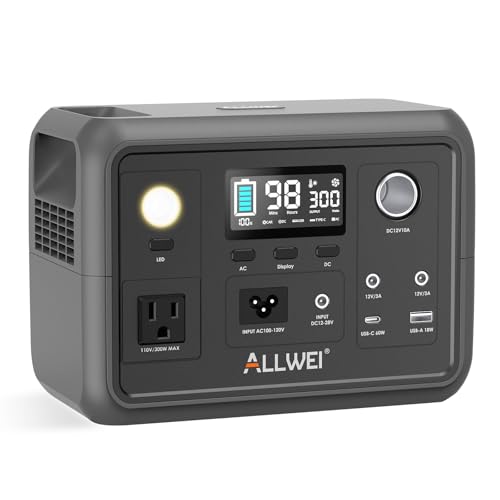
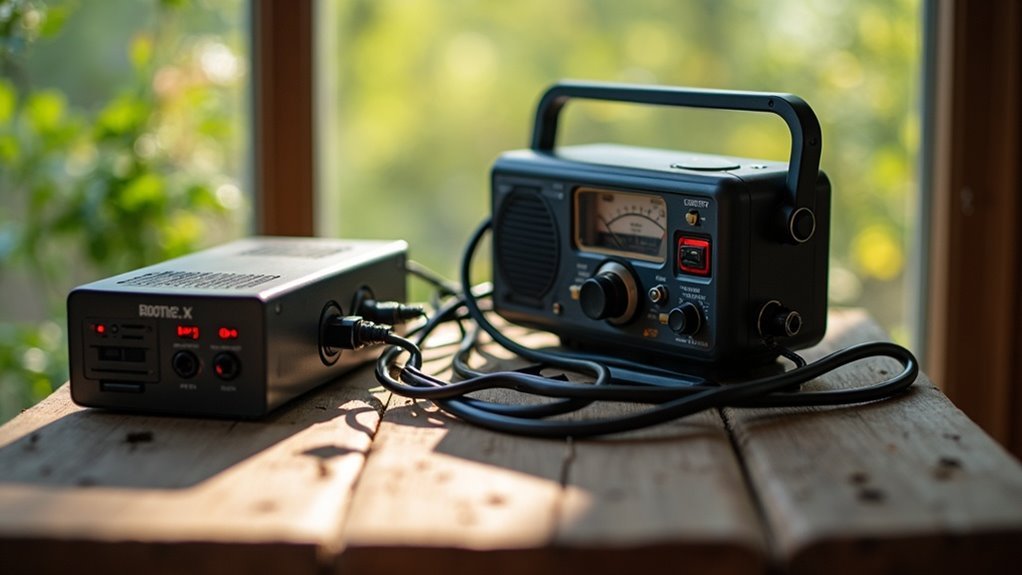
A handheld radio is an indispensable component of your Go Kit, along with durable batteries that can sustain your device for up to 32 hours. It’s also wise to consider additional power sources like AC adapters for prolonged use.
A handheld radio and long-lasting batteries are essential for your Go Kit, ensuring reliable communication during emergencies.
Antennas are essential as well, as they significantly improve your communication range and effectiveness in critical situations.
By prioritizing these vital tools, you ensure that you’re well-prepared to communicate reliably, regardless of the challenges you may encounter.
Always account for varying conditions and local regulations in your preparedness plans.
Real-World Examples of Ham Radio in Action
Ham radio operators have proven their invaluable role in real-world emergencies, particularly in survival situations where traditional communication methods may fail.
Here are some significant examples that highlight the importance of amateur radio in preparedness and response:
- Coordinated rescue efforts during the 2001 September 11 attacks, ensuring crucial communication when it was most needed.
- Provided essential communications during the 2003 North America blackout, helping individuals and communities stay informed and connected.
- Established networks for relief organizations after Hurricane Katrina in 2005, facilitating the distribution of aid and resources in the aftermath.
- Relayed real-time updates during Hurricane Frances in 2004, ensuring that communities received timely information to make critical decisions.
- Assisted first responders after the 2013 Boston Marathon bombing, stepping in when cell networks became overwhelmed.
These examples underscore how ham radio can serve as a lifeline in emergency preparedness, enabling the dissemination of vital information when it’s needed most.
In a world where self-sufficiency and readiness are key, amateur radio remains an essential tool for survivalists and preppers alike.