To effectively use the incident command mindset in survival situations, prioritize coordination and clear communication among your group. Assign specific roles early on to ensure accountability and keep everyone informed with continuous updates. Manage stress by staying calm and employing breathing techniques, which are crucial in high-pressure environments. Embrace continuous learning and practice to enhance your decision-making skills, fostering open dialogue and a blameless culture among your team. This approach not only builds resilience but also lays the groundwork for improvement in future preparedness efforts. There’s much more to explore on this vital topic.
Key Takeaways
- Establish clear roles and responsibilities early to enhance accountability and coordination among team members during survival situations.
- Maintain calm communication and utilize controlled breathing techniques to convey clarity and composure under pressure when facing emergencies.
- Provide regular status updates to the team regarding available resources, potential threats, and logistical considerations, ensuring everyone is aligned and prepared.
- Foster a blameless culture that encourages open communication, focusing on learning and improvement in survival tactics rather than assigning fault for past mistakes.
- Engage in continuous learning and practice through survival simulations to refine decision-making skills and build team confidence in crisis scenarios.
Prioritizing Coordination in Incident Management
When managing a crisis, prioritizing coordination is crucial, as it establishes the groundwork for an effective survival response.
The crisis commander plays a pivotal role in this process, facilitating communication among team members instead of attempting to solve problems directly. Assign specific roles early to ensure accountability and clarity, allowing for efficient collaboration in high-stress situations.
Maintain continuous communication to balance the signal-to-noise ratio, enabling the commander to extract valuable insights. Keep discussions focused during crisis calls, ensuring all voices are heard while minimizing distractions.
Managing Scene Stress Effectively
Coordination sets the foundation for managing stress effectively in survival situations. As a Survival Commander, it’s crucial to focus on self-discipline and maintain composure amidst chaos.
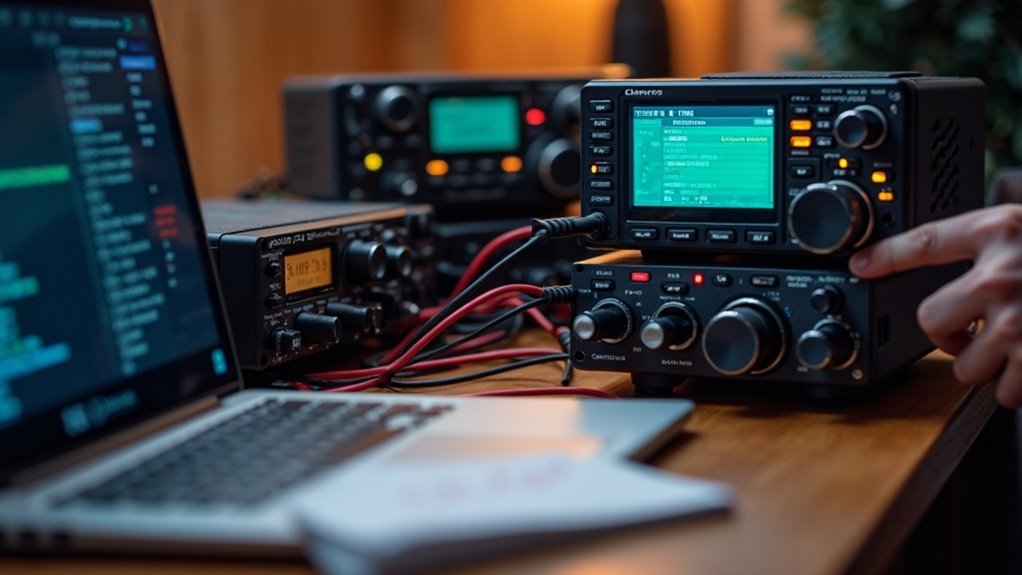
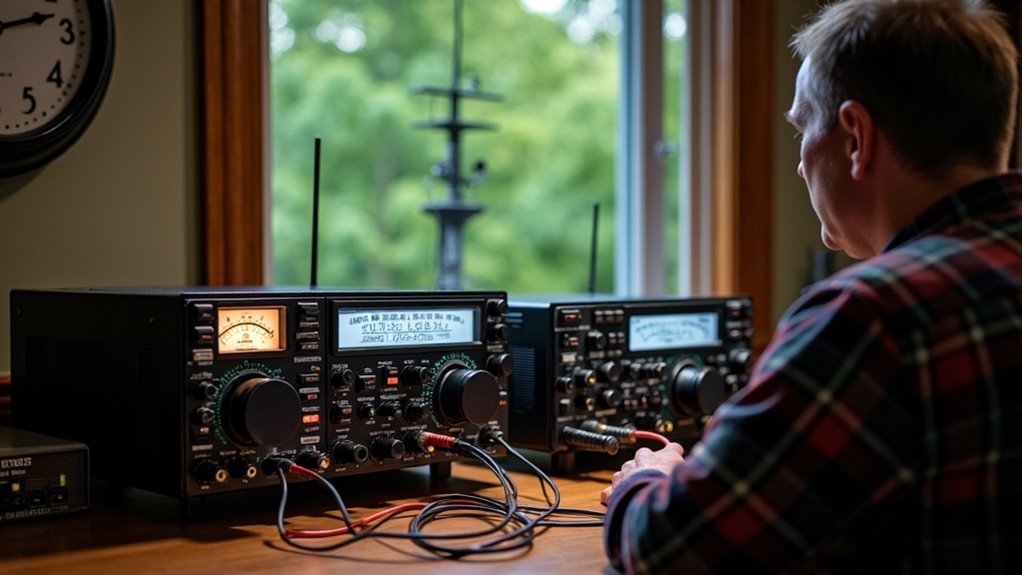
Utilize calm breathing techniques to lower heart rates and reduce anxiety, which will enable clear communication with your team. Incorporate technology and survival tools, such as maps, GPS devices, and communication radios, to support operational planning during high-stress scenarios.
Prioritize self-care—stay hydrated and nourished—to sustain your mental performance and physical endurance.
The Importance of Continuous Learning and Practice
As you navigate the complexities of survivalism and prepping, embracing continuous learning and practice becomes essential for enhancing your decision-making skills in critical situations.
Engaging in regular training and simulations builds your confidence and competence in managing emergencies. A blameless culture fosters an environment where you and your team can reflect on experiences and learn from root causes, ultimately leading to successful survival strategies.
Stay updated on new technologies and techniques through ongoing education, and participate in peer discussions to refine your understanding of best practices in prepping.
This dedication to continuous learning directly influences your effectiveness in real-world survival scenarios.
Communication Strategies for Incident Commanders
Effective communication is vital for Incident Commanders (ICs) when managing crises and ensuring the safety and preparedness of their teams.
To enhance your communication strategies in a survivalist context, focus on these key areas:
- Stay calm: Employ controlled breathing techniques to manage anxiety, ensuring clarity when conveying essential information about survival strategies or emergency responses.
- Structured updates: Prioritize regular status updates to keep your team informed about resources, threats, and logistics, ensuring everyone is aligned and focused amidst the chaos of a crisis.
- Invite input: Actively solicit diverse perspectives from your team members, as this fosters enhanced situational awareness, better decision-making, and a more robust emergency response plan aligned with survivalism principles.
Embracing a Blameless Culture for Growth
Effective communication strategies are essential for successful emergency response and survival situations, but the true strength of your preparedness team lies in fostering a blameless culture.
By creating an environment where team members can make decisions without fear of blame, you encourage open communication and collaboration during high-stress scenarios.
Implement a blameless retrospective process to analyze incidents without assigning fault, focusing on learning and improvement for future survival situations.
Recognizing failure as part of the learning process cultivates resilience, enabling teams to adapt and grow in the face of challenges.
Celebrate successful resolutions to reinforce positive behaviors, increasing engagement and trust among team members.
Ultimately, embracing a blameless culture leads to enhanced performance and a more effective incident management process in the realm of survivalism and prepping.