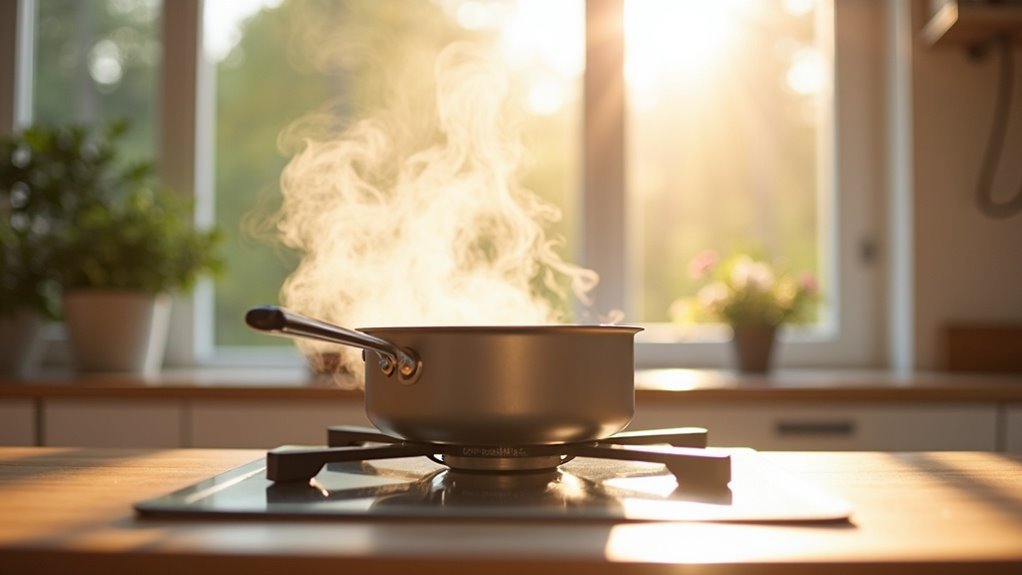
To use a camp stove safely indoors while prioritizing survivalism and prepping, ensure you have proper ventilation. Always open windows and doors to promote fresh air circulation. Check that your cooking area is free of flammable materials and keep a fire extinguisher readily accessible. Utilize safe fuels designed for indoor use, such as alcohol or propane, and conduct a gas leak test with soapy water before igniting the stove. Stay vigilant for signs of carbon monoxide poisoning and adjust your setup as necessary. Remember, effective safety strategies are essential for long-term preparedness.
Key Takeaways
- Choose clean-burning fuels that are safe for indoor use, such as alcohol, and ensure adequate ventilation by opening windows and doors to facilitate airflow.
- Install a reliable carbon monoxide detector near sleeping areas to monitor for potentially dangerous gas levels while cooking, as safety is paramount in survival situations.
- Position the stove on a stable, heat-resistant surface, ensuring it is at least three feet away from any flammable materials to reduce fire risk.
- Maintain proper airflow with fans to prevent carbon monoxide accumulation, and routinely evaluate the effectiveness of your ventilation setup to ensure a safe cooking environment.
- Always keep the stove in your line of sight and never leave it unattended, allowing you to quickly respond to any emerging hazards, which is crucial in prepping scenarios.
Key Takeaways
When using a camp stove indoors, it’s essential to prioritize safety to prevent serious risks.
Always select fuels that are safe for indoor use, ensuring they burn cleanly and generate fewer harmful emissions. Ensure proper ventilation by opening windows and doors to maintain a well-ventilated space.
Install carbon monoxide detectors near sleeping areas to monitor gas levels effectively. Keep your cooking area clear of flammable materials, maintaining a three-foot distance from items like curtains to reduce fire hazards.
Before igniting the stove, check for gas leaks using soapy water, and always have a fire extinguisher readily available.
Following these safety guidelines will help you create a secure cooking environment while preparing for any survival situation.
Risks of Using a Camp Stove Indoors
Using a camp stove indoors poses significant survival risks, particularly due to the danger of carbon monoxide (CO) accumulation.
This invisible, odorless gas can cause serious health complications and even fatal outcomes if there isn’t proper ventilation.
Furthermore, the potential for fire hazards from flammable materials and gas leaks underscores the importance of prioritizing safety when contemplating indoor use.
In survival situations, it’s crucial to have alternative cooking methods and ensure adequate safety measures are in place to mitigate these risks.
Carbon Monoxide Exposure
While camp stoves can be essential tools for cooking in survival situations, using them indoors poses significant risks due to carbon monoxide (CO) exposure. CO is a toxic gas that’s colorless and odorless, making it particularly dangerous.
Without adequate ventilation, CO can build up quickly, causing symptoms such as headaches, dizziness, and nausea. In extreme cases, prolonged exposure can lead to unconsciousness or even death, with camping equipment being associated with approximately 25 fatalities each year.
To ensure safety when using camp stoves indoors, it’s crucial to maintain proper air circulation. Always open windows and doors to allow fresh air to flow.
Additionally, consider investing in a reliable carbon monoxide detector to warn you of dangerous levels of this silent killer. By implementing these vital safety measures, you can significantly reduce the risk of CO poisoning and ensure your survival preparations are effective and safe.
Fire Hazards
While camp stoves can be a valuable tool for survival cooking, they also present significant fire hazards that must be acknowledged. Gas leaks from damaged canisters can result in uncontrolled fires or even explosions, which could be disastrous in a survival situation.
Always ensure that flammable materials, such as paper and curtains, are kept at least three feet away from the stove to minimize ignition risks. Unattended stoves pose a particular danger, as they can lead to gas accumulation and increase the likelihood of a fire breaking out.
Additionally, accidental contact with hot surfaces may cause burns, posing a threat to children and pets, which can be especially concerning when resources are limited. To mitigate these risks, ensure proper ventilation in enclosed spaces to reduce carbon monoxide buildup and further fire hazards, ensuring your prepper environment remains safe and functional.
Safe Fuel Options for Indoor Cooking
When cooking indoors in a survival situation, it’s crucial to select safe fuel options to ensure your health and safety.
Alcohol stoves are an excellent choice due to their clean burn, making them ideal for emergency cooking.
Butane and propane can also be utilized, but only in well-ventilated areas to prevent the buildup of harmful gases.
Always steer clear of unsafe fuels like kerosene and gasoline, as their emissions can pose significant health risks.
Proper planning and preparation can help you create a safe cooking environment when it matters most.
Recommended Fuel Types
Selecting the right fuel type is crucial for safe indoor cooking with a camp stove, especially for survivalists and preppers. Ensuring you have the appropriate fuel can make a significant difference in emergency situations. Here’s a quick overview of recommended fuel types to guarantee proper safety and clean indoor air:
| Fuel Type | Safety Features | Considerations |
|---|---|---|
| Alcohol Stoves | Burns cleanly with minimal carbon monoxide | Requires no pressurized canisters, ideal for long-term storage |
| Butane Stoves | Compact and efficient for portability | Emit carbon monoxide; ensure adequate ventilation to prevent buildup |
| Propane Canisters | Safe when used with proper appliances | Requires ventilation and regular leak checks, store safely for emergencies |
Always prioritize fuels that are rated for indoor use. Proper ventilation is essential to prevent harmful gases from accumulating, ensuring your safety during indoor cooking in survival scenarios. Stay prepared and informed about your fuel options.
Unsafe Fuel Options
Using unsafe fuel options indoors can lead to serious health risks and dangerous situations, making it essential for survivalists and preppers to be aware of which fuels to avoid.
Kerosene, gasoline, diesel, and charcoal produce harmful emissions that can elevate the risk of carbon monoxide poisoning and fires—both critical concerns in survival scenarios.
While butane stoves are compact and convenient, they can emit carbon monoxide and present explosion risks if leaks occur.
Propane gas can be used indoors but requires proper ventilation and regular leak checks to ensure safety.
Alcohol stoves are a preferred choice for preppers, as they burn cleanly with minimal harmful emissions, making them a safer option for cooking in confined spaces.
Always prioritize fuels that are rated for indoor use to minimize health hazards and ensure a safer cooking environment during emergencies or survival situations.
Fuel Storage Guidelines
To ensure safe fuel storage for your indoor cooking needs while embracing survivalism and prepping principles, it’s essential to select fuels that are explicitly rated for indoor use, including alcohol, butane, or propane.
Adhere to the following guidelines to enhance safety and preparedness:
- Store fuel canisters upright in a cool, dry location, shielded from sunlight and heat sources to prevent degradation and potential hazards.
- Maintain an ample supply of fuel, but store it away from the cooking area to minimize risk.
- Before use, always check for leaks in connections by applying soapy water to ensure a secure seal.
- Follow the manufacturer’s guidelines for proper storage and handling to avoid dangerous emissions and ensure optimal operation.
Practical Tips for Safe Indoor Cooking With a Camp Stove
While cooking indoors with a camp stove can be a practical solution for survival situations, ensuring your safety should always come first. Open windows and doors to create proper ventilation and prevent the dangerous buildup of carbon monoxide, which can be especially critical in emergency scenarios.
Use a stable, heat-resistant cooking surface and protect it with mats to avoid damage and maintain your preparedness area. Keep all flammable materials at least three feet away from the stove to minimize fire risks.
Never leave your stove unattended, as this increases the chance of gas accumulation, which can be life-threatening. Regularly check your carbon monoxide detector to ensure it’s functioning properly, as it’s vital for alerting you to hazardous gas levels while using your camp stove indoors.
Setting Up Your Cooking Area
Creating an effective cooking area is crucial for ensuring both safety and efficiency when using a camp stove indoors, especially in a survival or prepping scenario.
To set up your cooking space properly, follow these guidelines:
To ensure safety and efficiency, follow these guidelines for properly setting up your indoor cooking area.
- Place the stove on a stable, heat-resistant surface at least three feet away from walls and flammable materials to minimize fire risks.
- Ensure your area is well-ventilated by opening windows and doors or using fans to prevent carbon monoxide buildup, which is vital for maintaining a safe environment during extended cooking periods.
- Before lighting, check all fuel connections for leaks using soapy water, ensuring that your setup is secure and reliable.
- Keep a fire extinguisher and a functional smoke detector nearby as part of your emergency preparedness measures, allowing for a quick response to any potential hazards.
Monitoring Your Stove During Use
Monitoring your camp stove during use is crucial for ensuring safety and preparedness in any survival situation. Always keep the stove within your line of sight to quickly address potential hazards like gas leaks or spills.
Regularly assess the flame for stability; a flickering flame may indicate issues with fuel supply or ventilation that could compromise your cooking efficiency. Be alert for signs of carbon monoxide poisoning, such as dizziness or headaches, and ventilate the area immediately if you experience any symptoms.
Never leave your stove unattended, as this significantly raises the risk of accidents. Keep a fire extinguisher nearby and familiarize yourself with its operation, as being prepared can make all the difference in a survival scenario.
Additionally, follow ventilation guidelines to ensure maximum safety while cooking.
Alternative Emergency Cooking Methods
In survival situations, having alternative cooking methods is essential for maintaining nutrition and comfort. Here are some effective options for safe indoor cooking during emergencies:
- Electric cooking devices such as hot plates or induction cooktops offer reliable, fume-free solutions, making them ideal for indoor use when other fuel sources are unavailable.
- Solar ovens utilize sunlight to cook food, providing an eco-friendly and fuel-free option that can be invaluable during extended power outages.
- No-cook meal options like granola, canned goods, and fresh fruits are excellent choices that require minimal preparation and can sustain you when cooking resources are limited.
- Portable battery-operated cooking devices enable you to prepare meals without relying on traditional fuel sources, ensuring you can cook even in the most challenging situations.
Always stockpile non-perishable food items to ensure you have a variety of cooking solutions available when needed.
Each method offers a practical and safe option to keep you nourished during emergencies. Stay prepared and ready for anything!
Choosing the Right Camping Stove for Indoor Use
When selecting a camping stove for indoor use in a survivalist or prepping context, it’s essential to prioritize models that are specifically designed for safety in enclosed spaces.
Look for stoves equipped with safety features such as automatic shut-off valves and flame failure devices to prevent accidents. Choose clean-burning fuel types, like alcohol or propane, and ensure you have adequate ventilation to minimize the risks associated with carbon monoxide buildup.
Smaller backpacking-style canister stoves can be ideal for limited indoor tasks due to their lower BTU ratings, making them safer for use in confined areas.
Always verify that the stove has safety certifications, confirming it meets the necessary standards for indoor environments.