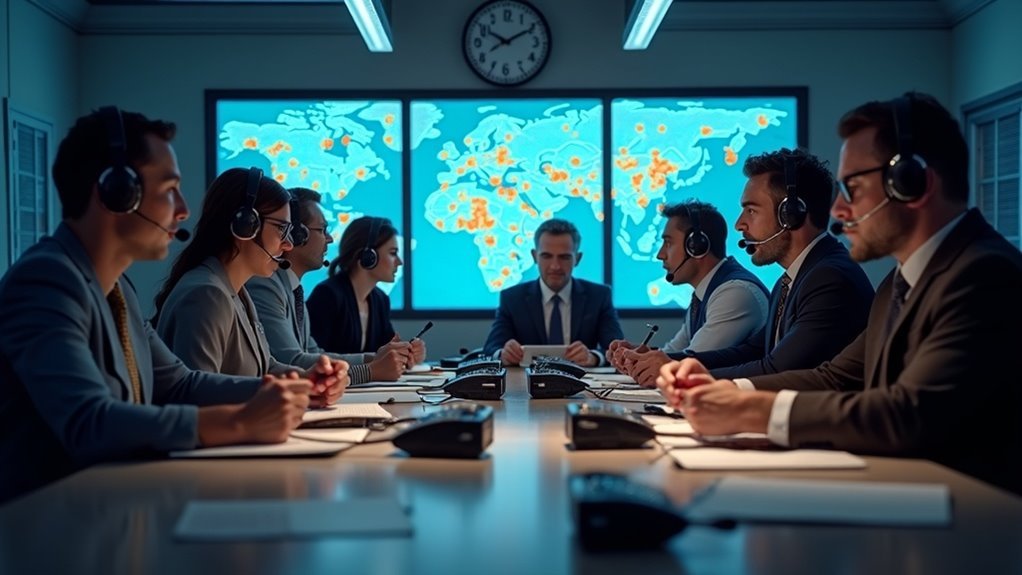
To run block level radio nets effectively in a survivalism and prepping context, set clear objectives that enhance communication and community resilience during emergencies. Assign specific roles, such as Net Control Station operators and relayers, to streamline operations and ensure efficient information flow. Utilize standardized communication procedures to maintain clarity and prevent misunderstandings when coordinating responses. Actively engage participants during sessions to foster a strong sense of community and preparedness. Conduct regular drills to refine skills and assess performance metrics, helping to identify areas for improvement in your communication strategies. This structured approach not only boosts readiness for potential crises but also establishes a solid foundation for continued success in your survival communications. Explore more strategies to optimize your nets for effective preparedness and resilience.
Key Takeaways
- Establish clear objectives for communication that prioritize survival skills and preparedness strategies to boost participant engagement in a survivalist community.
- Designate a Net Control Station (NCS) to oversee communication flow and ensure all operators and relayers adhere to established protocols, promoting effective coordination during crises.
- Utilize tactical call signs for precision and implement a reporting system that requires NCS permission before transmitting critical information to maintain operational security.
- Conduct regular drills focused on survival scenarios to sharpen communication skills and enhance team coordination, fostering a culture of continuous improvement and readiness.
- Analyze participation metrics and geographic data to identify trends and refine communication strategies, ensuring effective block-level operations for survival and preparedness efforts.
Establishing Objectives for the Net
When you establish clear objectives for a block level radio net focused on survivalism and prepping, you lay the foundation for effective communication and participant engagement. Your objectives should be specific, measurable, and achievable, allowing you to assess the net’s success in preparing for emergencies and self-sufficiency.
Consider incorporating relevant themes for each session, such as disaster preparedness strategies, resource sharing, or community resilience planning, to maintain focus. Regularly reassess these objectives to adapt to the community’s evolving needs and challenges, ensuring sustained interest.
Clearly communicate the net’s objectives during announcements to attract like-minded participants, fostering a sense of purpose and community among operators. Engaging objectives keep discussions relevant and enhance overall participation, ultimately strengthening the preparedness of the group.
Assigning Roles and Responsibilities
With survival objectives set, it’s time to assign roles and responsibilities within the block level radio net for effective communication during emergencies.
First, designate a Net Control Station (NCS) to manage communications, ensuring adherence to established protocols that are crucial in survival situations.
Designate a Net Control Station (NCS) to oversee communications and uphold essential survival protocols.
Assign operators, relayers, and observers to enhance efficiency and coordination during operations. Use tactical call signs for clarity, enabling participants to quickly understand their roles and functions in high-pressure scenarios.
Implement a reporting system where operators seek NCS permission before transmitting, maintaining order and preventing chaos.
Encourage regular training sessions within your prepper group to reinforce these responsibilities and improve communication skills.
This structured approach will streamline operations and maximize the effectiveness of your net during critical survival situations.
Standardized Communication Procedures
To ensure effective communication during survival and prepping discussions, adopting standardized communication procedures is crucial.
Utilizing tactical call signs enhances clarity and organization. Here are key practices to follow:
- Adhere to identification protocols by using your assigned call sign regularly.
- Keep messages concise and focused to conserve communication time.
- Request permission from the net control station before reporting important information.
- Monitor ongoing discussions to avoid interrupting others.
- Confirm clear two-way communication before engaging with additional participants.
Encouraging Operator Engagement
To keep operators engaged in the world of survivalism and prepping, it’s essential to establish clear objectives for your initiatives that highlight their value and purpose.
Encourage community interaction by inviting feedback and suggestions, making everyone feel involved in the process of building essential skills and knowledge.
Additionally, consider implementing themed discussions around survival strategies, resource management, or emergency preparedness to spark interest and enhance participation.
Establish Clear Objectives
Establishing clear objectives for a block-level radio net is crucial in the context of survivalism and prepping, as it enhances operator engagement and preparedness. When you define focused goals, participants feel motivated to contribute actively to the survival community.
Consider these objectives to foster engagement:
- Coordination of emergency services and disaster response
- Targeted training sessions on survival skills and preparedness
- Community outreach initiatives to educate and inform
- Utilizing tactical call signs for efficient communication
- Interactive skill-building exercises related to emergency scenarios
Regularly revisiting and refining these objectives based on feedback ensures the net remains relevant and responsive to the needs of survivalists.
This approach clarifies roles and responsibilities, streamlining communications in times of crisis. Incorporating interactive elements not only stimulates interest but also cultivates a stronger, more engaged operator community, ensuring your net remains effective and purposeful in preparedness efforts.
Foster Community Interaction
While fostering community interaction is essential for a block-level radio net, it’s crucial to create an environment where operators feel engaged and valued in the context of survivalism and prepping.
Establish a clear purpose for your net, focusing on preparedness topics to boost attendance among local amateur radio operators. Schedule meetings consistently, whether weekly or bi-weekly, to create a routine around sharing survival strategies and resources.
Promote your net through local prepper groups and community boards to attract new participants interested in enhancing their survival skills. Encourage operators to share their experiences, tips, and questions during meetings, which will strengthen community bonds and knowledge sharing.
Utilize social media or local forums dedicated to prepping for updates and feedback, ensuring operators feel their input is valued and fostering ongoing engagement in this vital community.
Regular Drills and Training
Regular drills and training are critical for ensuring the preparedness of your block level radio net operators in the realm of survivalism and prepping.
Consistent practice not only hones essential skills but also encourages community involvement, fostering teamwork and effective communication.
By incorporating scenario-based exercises during these sessions, participants can simulate real-life emergencies, enhancing their ability to respond and coordinate effectively when it matters most.
Being well-prepared through regular training can make a significant difference in survival situations.
Importance of Consistent Practice
Consistent practice is crucial for ensuring that all survivalists are proficient in emergency procedures and can respond swiftly during real-life situations.
By committing to regular drills, you enhance your group’s effectiveness in preparedness.
Consider these benefits:
- Reinforces communication protocols and improves familiarity with tactical call signs essential for survival scenarios.
- Builds team dynamics and coordination under realistic conditions, preparing you for collaborative efforts in the field.
- Boosts confidence in each member’s roles, leading to more efficient operations during emergencies.
- Fosters a culture of continuous improvement and adaptability, essential for navigating unpredictable environments.
- Prepares you for rapidly changing situations, ensuring you’re always ready to respond effectively.
Engaging Community Participation
Engaging community participation in drills and training is crucial for enhancing the effectiveness of block level radio nets within the context of survivalism and prepping. Regular exercises allow participants to familiarize themselves with net procedures and equipment, significantly reducing confusion during emergency situations.
By incorporating realistic scenarios, you’ll practice your roles, strengthening your communication skills and understanding of tactical protocols essential for preparedness. This hands-on training not only enhances collaboration between amateur radio operators and local emergency services but also fosters strong community bonds.
Utilizing feedback from these sessions helps refine procedures and address knowledge gaps, ultimately improving net operations and bolstering the community’s resilience during real-life crises.
Assessing and Improving Net Performance
To effectively assess and improve net performance in the context of survivalism and prepping, it’s essential to regularly evaluate participation metrics, such as check-ins and engagement levels.
Here are some strategies to enhance net participation:
- Track check-in numbers to identify trends in preparedness activities.
- Implement feedback mechanisms for participants to share their experiences and challenges.
- Analyze geographic distribution to ensure optimal communication during emergencies.
- Monitor net traffic during drills and actual events to determine peak participation times.
- Conduct practice drills to refine skills in communication and coordination among survivalists.