To effectively prepare for rolling blackouts, focus on building a robust supply of essential items such as water, non-perishable food, and a comprehensive emergency kit tailored for survival situations. Disconnect electrical appliances to safeguard against surges when the power returns, and prioritize battery-operated lights over candles to minimize fire risks. Ensure that medications are secured and stored in a manner that preserves their efficacy. Stay vigilant by subscribing to alerts from utility providers and monitoring local news for updates. Establish a clear communication strategy with your family and designate a strategic meeting point for emergencies. By taking these proactive steps, you will enhance your safety and readiness for any challenges that may arise during power outages.
Key Takeaways
- Stock up on a minimum of one gallon of water per person per day, along with a variety of non-perishable food items to ensure sustenance during extended blackouts.
- Assemble a comprehensive emergency kit, which should include a reliable flashlight, ample batteries, a first aid kit, and backup power sources such as solar chargers or portable generators for critical devices.
- Keep refrigerator and freezer doors closed as much as possible to maintain food safety, and consider utilizing frozen water bottles or ice packs as additional cooling sources.
- Stay informed by setting up alerts from utility providers, following local news updates, and utilizing battery-powered radios or hand-crank emergency radios to stay updated on blackout schedules.
- Develop a robust communication plan with your family; establish emergency contacts and designate a safe meeting place to ensure effective coordination and safety during emergencies.
Essential Supplies for Blackouts
When preparing for rolling blackouts, it’s crucial to focus on essential supplies that can sustain you and your family during these emergencies.
Start by stocking at least one gallon of water per person per day to ensure hydration for everyone, including pets. Additionally, maintain a supply of non-perishable food items, such as canned goods and granola bars, which don’t require cooking.
A well-stocked emergency kit is imperative; include a reliable flashlight, extra batteries, and comprehensive first aid supplies. Don’t overlook backup power sources, like a portable generator, to keep critical devices operational.
Furthermore, ensure you have an adequate stock of medications, consulting your physician for advice on proper storage techniques.
Preparedness is key to survival, so take these steps seriously to safeguard your family’s well-being during blackouts.
Safety Measures During an Outage
While rolling blackouts can disrupt daily life, implementing safety measures during these outages is crucial for protecting your home and family.
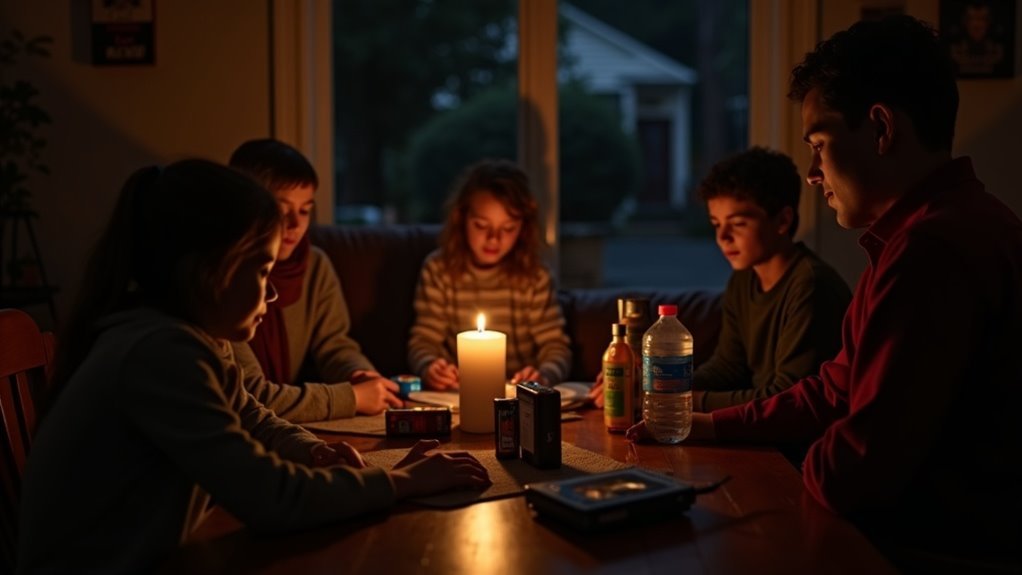
To prevent damage from power surges, turn off or unplug essential electrical appliances to safeguard your equipment and tools. Use battery-operated lights instead of candles to minimize fire hazards and ensure you have a reliable source of illumination.
Turn off or unplug essential appliances and use battery-operated lights to ensure safety during power outages.
Keep your refrigerator and freezer doors closed to maintain cold temperatures; a well-stocked freezer can keep food safe for about 48 hours, which is essential in a survival situation.
Verify that gas stoves are off to prevent any potential hazards. Lastly, leave one light switch on to signal when electricity returns, making it easier to know when it’s safe to reconnect your vital appliances and systems.
Stay prepared and safe during power outages!
Food and Medication Management
After securing your home during a blackout, managing food and medication becomes a critical aspect of your survival plan.
To ensure effective food and medication management, keep your refrigerator closed; food can remain safe for several hours this way. A full freezer can maintain safe temperatures for about 48 hours, making it a valuable resource in an emergency.
For medications that require refrigeration, store them in a cooler with ice packs, and always consult a healthcare provider for guidance after any temperature exposure. Utilize frozen water bottles to prolong cooling in your refrigerator, enhancing your resourcefulness.
Regularly check expiration dates on non-perishable food items and maintain a comprehensive list of essential medications to ensure you’re adequately stocked in advance.
Staying Informed and Connected
Staying informed and connected during rolling blackouts is crucial for effectively managing your safety and resources in a survival situation.
To achieve this, it’s important to stay updated on local energy conservation requests and blackout schedules from your utility provider. Sign up for alerts via text or email for real-time information on power outages and restoration timelines.
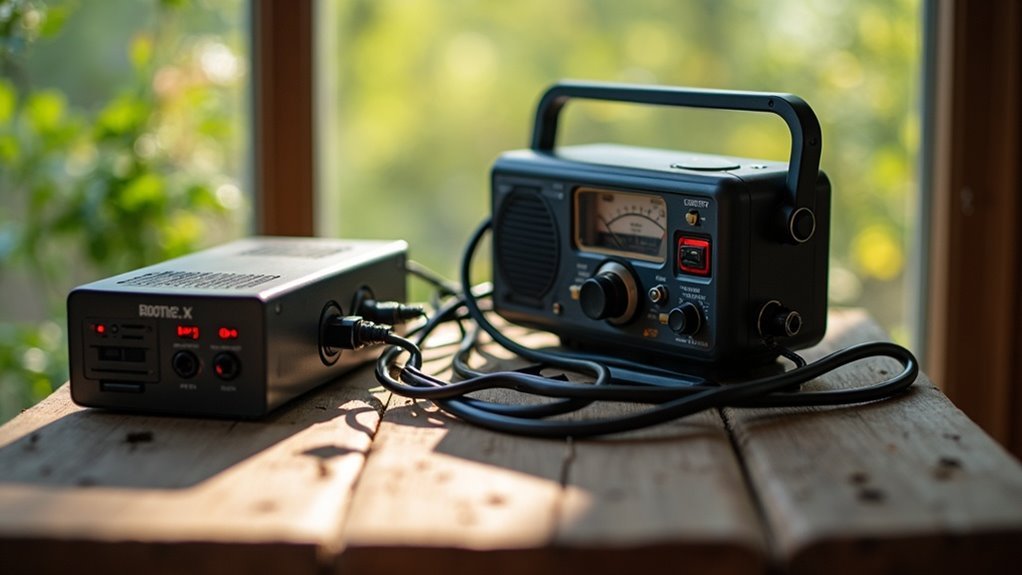
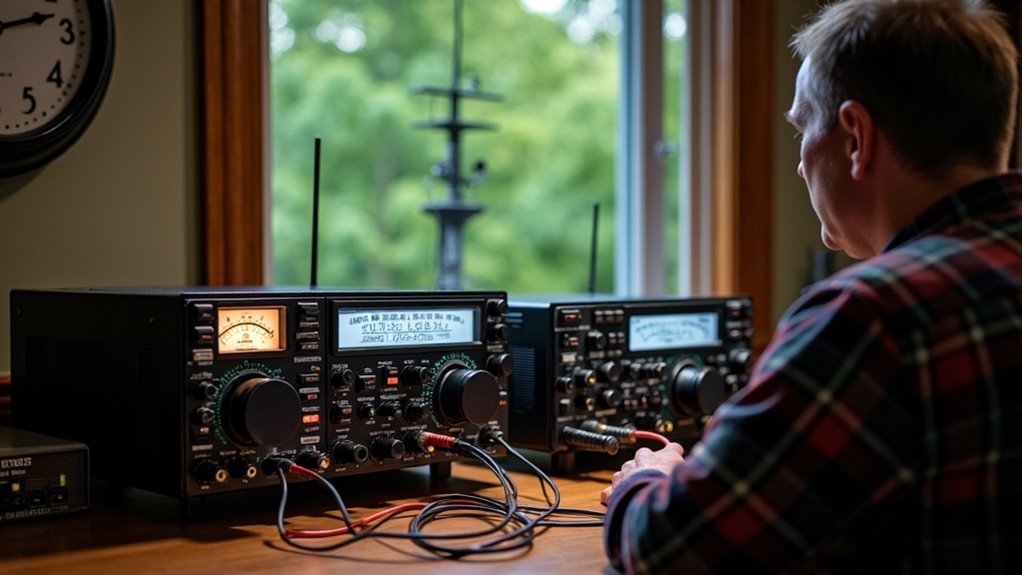
Additionally, follow local news outlets and social media channels for updates on conditions that may impact the power supply. Equip yourself with battery-powered radios to receive emergency announcements and information about community resources.
Moreover, maintain a comprehensive list of emergency contacts, including family members and utility companies, to ensure you can reach out for assistance when necessary.
Preparedness is key in any survival scenario, so take the time to plan and equip yourself for potential challenges ahead.
Preparing Your Home for Emergencies
Being prepared at home is crucial for survival during emergencies such as rolling blackouts. Here are essential steps to ensure your safety and resilience:
Being prepared at home is vital for surviving emergencies like rolling blackouts.
- Assemble a comprehensive emergency preparedness kit that includes tactical flashlights, extra batteries, long-lasting non-perishable food supplies, and a minimum of one gallon of water per person per day, for at least three days.
- Learn how to operate the manual release lever for your garage door, enabling you to access your home even when the power is out.
- Develop a robust evacuation plan that incorporates all household members, pets, and critical documents, while maintaining an updated list of emergency contact numbers for swift access during crises.
Long-Term Preparedness Strategies
To effectively prepare for rolling blackouts, it’s crucial to develop a robust long-term survival strategy that emphasizes emergency supply kits, energy conservation practices, and communication plans.
Begin by assembling an extensive survival kit stocked with essential items to sustain your household during outages. This kit should include food, water, medical supplies, and tools that can be utilized in emergencies.
Additionally, implementing energy-saving measures, such as investing in solar power solutions or alternative energy sources, can enhance your resilience.
Establishing a clear communication plan with family and neighbors will also ensure that you can navigate these disruptions more smoothly and stay informed during challenging times.
Embrace the mindset of preparedness to ensure you and your loved ones are ready for any situation.
Emergency Supply Kits
Assembling a comprehensive emergency supply kit is essential for anyone serious about survivalism and prepping, especially in anticipation of rolling blackouts.
This kit should encompass vital items to ensure your safety and comfort during challenging times. It’s important to regularly check and update your supplies every six months to stay prepared.
Here are three critical components to include:
- Non-perishable food and at least one gallon of water per person per day for a minimum of three days to sustain you and your loved ones.
- A well-stocked first aid kit with necessary medications and medical supplies tailored to your family’s needs.
- A reliable flashlight with spare batteries and a versatile multi-tool to assist you in various situations.
Additionally, make sure to store important documents in a waterproof container for quick and easy access during emergencies, ensuring that you can protect your vital information when it matters most.
Energy Conservation Practices
While rolling blackouts can significantly impact your preparedness efforts, adopting energy conservation practices not only equips you for these disruptions but also enhances your long-term survival capabilities.
Start by investing in energy-efficient appliances, which can reduce electricity consumption by 10-50%, freeing up resources for more critical needs.
Utilize programmable thermostats to optimize your heating and cooling, potentially saving 10-15% on energy bills, allowing you to redirect those savings into essential supplies.
Conduct regular energy audits to identify areas for improvement, aiming for a 5-30% reduction in usage, which can be crucial during emergencies.
Shift to LED lighting to cut lighting costs by up to 80%, ensuring you have sufficient energy for vital tasks when the grid goes down.
Finally, engage in community-wide energy conservation initiatives to collectively lower demand and reduce peak load on the power grid, fostering resilience among your neighbors in times of crisis.
Communication Plans
How can you ensure your family remains connected during rolling blackouts? Establishing a robust communication plan is vital for survival and preparedness. Implement these essential strategies:
- Emergency Contacts: Maintain an updated list of local emergency contacts, including utility companies and survival resources, readily available to all family members.
- Designated Meeting Place: Identify a secure location outside your home where everyone can regroup if separated—consider various scenarios and locations.
- Practice Drills: Regularly conduct drills to ensure everyone is familiar with communication methods, such as check-in protocols and using group messaging apps to connect with community members during a blackout.
These practices can be crucial for maintaining safety and coordination in emergency situations.