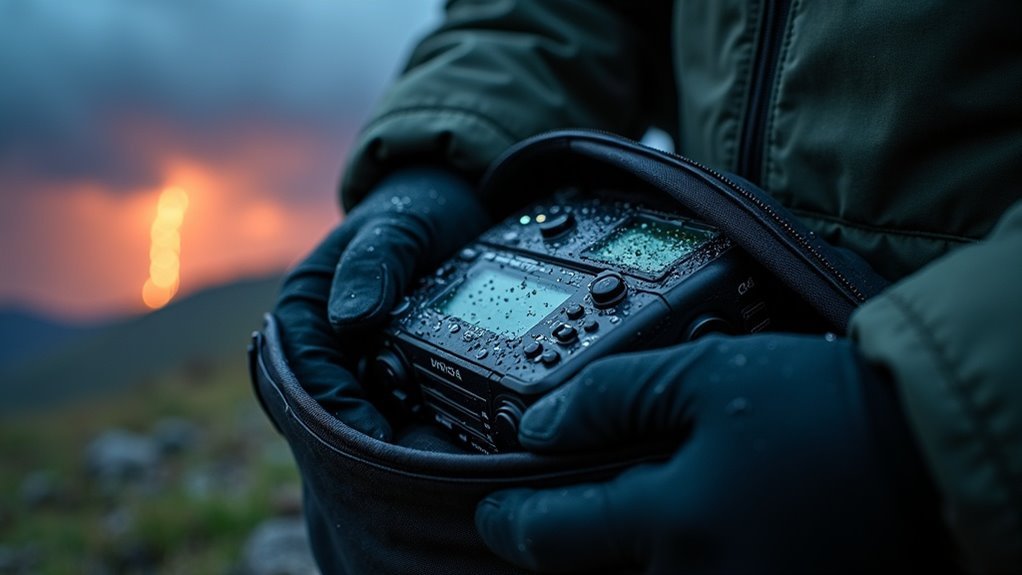
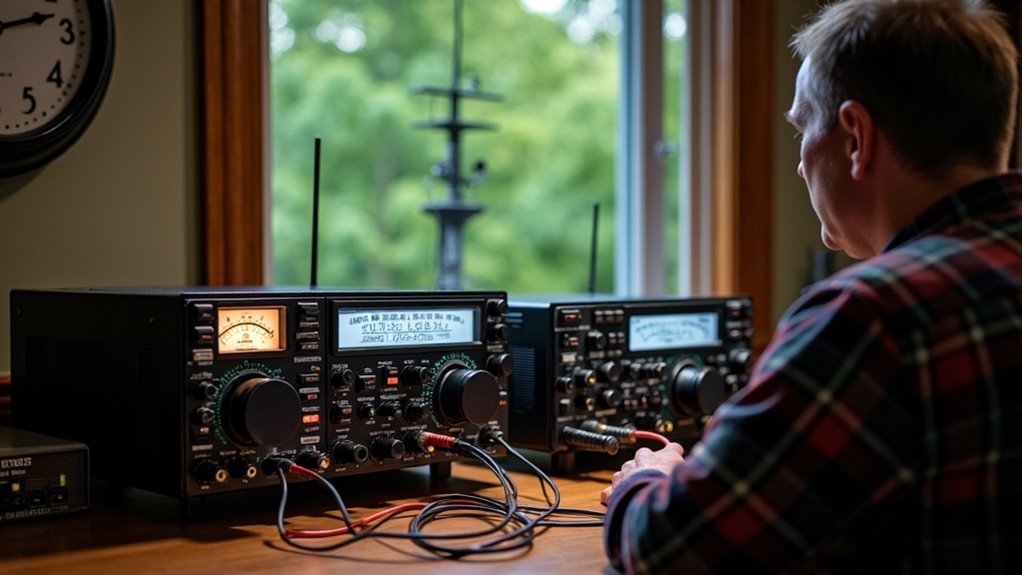
To prepare for potential GPS disruptions, it’s essential to adopt a comprehensive approach that aligns with survivalism principles. Start by implementing robust monitoring systems that provide real-time alerts and track any signal disruptions. Educate your team on recognizing warning signs and developing effective responses to these issues. Create contingency plans that include traditional navigation methods such as topographic maps and compass use, ensuring you can find your way even without GPS. Consider utilizing telematics solutions to analyze historical travel data and detect unusual patterns that might indicate potential disruptions. By taking these proactive measures, you can ensure continuity and safety in navigation during challenging situations. As you delve deeper into this topic, you will uncover additional strategies to bolster your preparedness against GPS challenges, enhancing your overall survival readiness.
Key Takeaways
- Establish monitoring systems to detect and alert for GPS disruptions in real-time, ensuring you can respond swiftly.
- Educate yourself and your family on recognizing GPS disruptions and how to effectively respond when they occur.
- Create comprehensive contingency plans that incorporate alternative navigation methods, such as traditional maps and compasses, to maintain your situational awareness.
- Regularly conduct drills for emergency response procedures to ensure everyone is familiar with their roles and is prepared for any disruptions.
- Leverage telematics solutions to analyze travel patterns and identify unusual behaviors, helping you to stay ahead of potential GPS failures.
Understanding GPS Disruptions
When considering the reliability of GPS systems in the context of survivalism and prepping, it’s crucial to understand that disruptions can arise from various sources, both intentional and unintentional.
GPS disruptions can often result from jamming, where signals are deliberately blocked by malicious actors, or spoofing, which involves manipulating navigation signals to mislead users.
GPS disruptions can stem from jamming, where signals are intentionally obstructed, or spoofing, which misguides users through signal manipulation.
Unintentional interference may occur due to poorly tuned equipment or natural phenomena that impact satellite signals.
Significant events, such as the 33-hour disruption in Denver, highlight vulnerabilities that can jeopardize public safety and emergency response, especially in critical situations where reliable navigation is essential for survival.
As our dependence on GPS navigation increases, being aware of these potential disruptions is vital for preppers seeking to develop effective strategies to mitigate risks and ensure operational continuity in times of crisis.
Implementing Monitoring Systems
To ensure resilience against GPS disruptions in a survival scenario, implementing robust monitoring systems is essential. These systems, such as Geotab, help track signal loss and alert you to anomalies in real-time. Regular analysis of device logs allows for quick responses to potential GPS jamming incidents, reducing operational risks during critical times. Here’s a breakdown of key monitoring elements for preppers:
| Feature | Benefit |
|---|---|
| Signal Tracking | Detects disruptions immediately, ensuring you stay informed |
| Automated Alerts | Provides real-time notifications, allowing for swift action |
| Spectrum Monitoring | Identifies sources of interference, helping maintain situational awareness |
| Log Analysis | Supports incident response, enabling you to adapt quickly |
| Operational Continuity | Guarantees reliable access to location data, crucial for navigation |
Incorporating these systems into your preparedness strategy strengthens your resilience against unforeseen disruptions.
Staff Training and Awareness
While GPS disruptions can pose significant challenges in survival situations, equipping your staff with the necessary training and awareness can effectively mitigate these risks.
Implementing thorough training and awareness programs will enhance their ability to recognize signs of disruption and respond appropriately. Key components include:
Implementing comprehensive training programs equips staff to recognize GPS disruptions and respond effectively in critical situations.
- Regular use of monitoring tools to detect potential GPS issues, ensuring preparedness in navigating without reliance on technology.
- Education on legal implications surrounding GPS jamming and spoofing, helping staff understand potential threats to their safety.
- Conducting simulated drills to practice effective response strategies, ensuring that everyone is prepared for real-world scenarios where GPS may be compromised.
Establishing Contingency Plans
Building on the foundation of survival skills and preparedness, establishing effective contingency plans is crucial for navigating potential GPS disruptions.
Start by creating a comprehensive inventory of all GPS-dependent systems and tools in your survival setup to evaluate their vulnerabilities. Develop detailed business continuity plans for essential activities that rely on GPS, incorporating alternative navigation methods like maps, compasses, and celestial navigation.
Integrate GPS disruption protocols into your emergency communication plans to ensure a coordinated response during incidents of GPS interference, jamming, or spoofing. Regularly practice emergency response procedures to enhance familiarity with these protocols and maintain readiness.
Lastly, collaborate with fellow preppers and survivalists to share best practices and strengthen the overall resilience of your GPS-dependent operations.
Leveraging Telematics Solutions
Telematics solutions provide valuable tools for survivalists looking to manage and mitigate the risks associated with GPS disruptions. By utilizing these systems, you can bolster the security of GPS signals against threats such as GPS jammers and signal interference, which are critical in survival scenarios.
Key features include:
- Automated alerts that allow for swift responses to potential GPS disruptions, ensuring you stay informed in high-stakes situations.
- Trips History maps that visually display interrupted journeys, helping you analyze and understand jamming events that could impact your navigation.
- Regular analysis of device logs to identify unusual patterns, enhancing your preparedness against potential threats to your location tracking systems.
Training your team on telematics solutions heightens awareness of GPS disruption risks, equipping you with proactive measures to maintain the integrity of your navigation systems, an essential component of effective survival strategies.