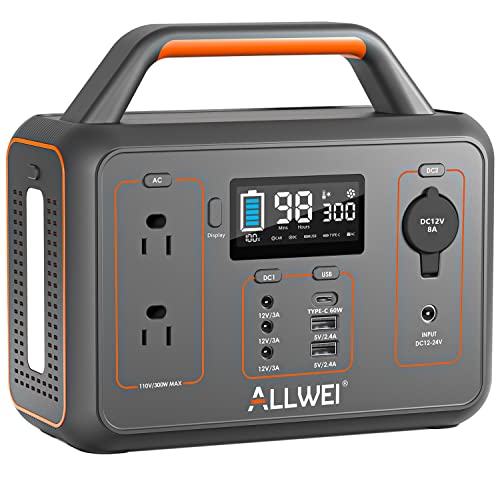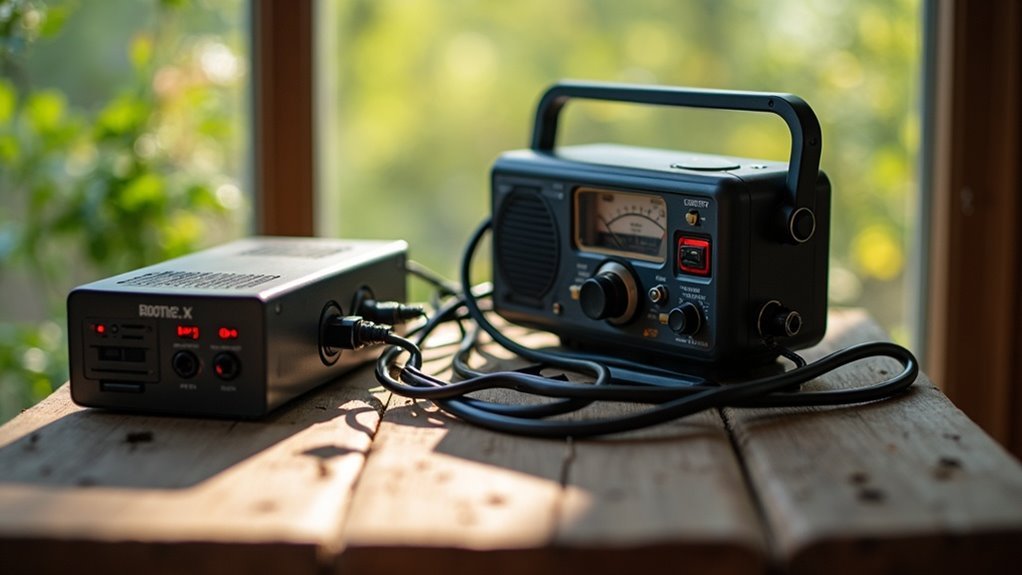
To power radios from battery banks in a survivalist context, ensure your setup delivers approximately 13.8V for optimal performance. Choose a robust battery type, such as Lithium Iron Phosphate, that can handle your radio’s current demands, which typically range from 5-11 amps for higher power models. Connect your radio while incorporating a small load in parallel to prevent shutdown during low current draws, a critical consideration in emergency situations. For reliable operation, consider adding a voltage regulator to maintain consistent output. Always monitor your power draw to avoid exceeding limits, ensuring your communication capabilities remain operational when needed most. Continue exploring for detailed tips and techniques to enhance your preparedness.
Key Takeaways
- Ensure the battery bank outputs around 13.8V for optimal radio performance and reliability, which is crucial for staying informed during emergencies.
- Use Lithium Iron Phosphate (LFP) batteries for lightweight, efficient power options that can be vital in survival situations.
- Incorporate a fuse to protect your radio against overcurrent situations when connected to the battery bank, safeguarding your equipment in the field.
- Monitor current draw with a multimeter to prevent exceeding the battery bank’s limits, ensuring your communication remains operational during critical times.
- Consider adding a small load in parallel to the radio to prevent the battery bank from shutting off due to low current draw, maintaining a reliable power source for your radio in survival scenarios.
Understanding Voltage Requirements for Radios
When powering radios in survival situations, understanding voltage requirements is essential for ensuring reliable communication.
Most ham radios operate optimally at 13.8V; relying on a standard 12V battery may lead to diminished output and functionality. For example, a 25W radio typically draws around 5 amps, while higher power models can demand 10-11 amps.
Therefore, your power supply should be rated for at least 15 amps to accommodate peak demands during transmission. Additionally, it’s important to monitor your battery condition and capacity, as voltage drops during discharge can negatively impact your radio’s performance and your overall preparedness in critical scenarios.
Selecting the Right Battery Type
Selecting the right battery type is crucial for ensuring your radio operates efficiently and reliably, especially in survival situations.
Choosing the right battery is vital for your radio’s performance in critical survival scenarios.
When choosing battery packs for your ham radio, keep these survival-oriented factors in mind:
- Weight: Lithium Iron Phosphate (LFP) batteries are lighter and more portable, making them easier to transport during emergencies.
- Discharge Voltage: Most radios perform optimally at 13.8V; avoid 12V for peak output, crucial for maintaining communication in critical times.
- Current Draw: Higher power radios require at least 15 amps for dependable operation, essential for emergency broadcasts.
- Lifespan: LFP batteries outlast Lead Acid options, ensuring you have reliable power for extended periods when resources may be scarce.
- Compatibility: Ensure the battery type aligns with your specific radio’s power needs to guarantee functionality when it matters most.
Investing time in selecting the right battery can make a significant difference in your preparedness and ability to communicate during emergencies.
Connecting Your Radio to a Battery Bank
Connecting your radio to a battery bank is an essential skill for survivalists and preppers, as reliable communication can be crucial in emergencies.
Ensure that the battery pack outputs around 13.8V to align with your radio’s power requirements. Many power banks have a minimum load requirement; consider adding a small load in parallel, such as a light bulb, to prevent shutdown due to low current draw, which can be especially important during prolonged power outages.
Check your radio’s current draw—typically fluctuating between 43 mA and 150 mA—to ensure compatibility with your chosen battery bank.
For portable setups, lithium Iron Phosphate (LFP) batteries are ideal, as they maintain voltage better during discharge, making them a reliable choice when resources may be limited.
Lastly, always incorporate a fuse in your setup to protect against potential overcurrent situations, ensuring your equipment remains safe and functional during critical times.
Adding a Voltage Regulator for Stability
To ensure your communication equipment operates reliably during emergencies, adding a voltage regulator is an essential upgrade for your survival setup. This device stabilizes the voltage from your battery bank, safeguarding your gear from fluctuations.
Adding a voltage regulator to your survival setup ensures reliable communication equipment during emergencies by stabilizing battery output.
Here are some key points to consider:
- Aim for a stable output voltage, such as 13.8V, which is ideal for most ham radios used in survival situations.
- Opt for a linear voltage regulator if your battery bank has varying output levels, ensuring consistent performance.
- If your input voltage is higher than needed, switching regulators can provide greater efficiency, conserving battery life.
- Monitor current draw to avoid exceeding your battery bank’s limits, which can lead to failures when you need your equipment most.
- Select a regulator capable of handling your radio’s maximum current draw, ideally around 5 amps for a 25W radio, to maintain functionality during extended use.
Testing and Monitoring Power Draw
To ensure your radio functions reliably from a battery bank in survival situations, it’s crucial to accurately measure its current draw, as this can fluctuate significantly during use.
Additionally, incorporating extra loads may be necessary to maintain stability and meet the minimum current requirements of your power bank.
Utilizing a multimeter or power monitoring tool will enable you to track these parameters in real-time, helping you optimize your setup for dependable performance when it matters most.
Current Draw Measurements
Accurate current draw measurements are vital for optimizing the performance of radios powered by battery banks, especially in survival situations where reliable communication is crucial. By regularly testing the current, you can gain valuable insights into the radio’s power requirements and how they affect the overall efficiency of your battery bank.
Here are some important considerations:
- Current draw fluctuations can vary from 43 mA to 150 mA, which can impact your power management strategy.
- It’s important to monitor power draw during both transmission and standby modes to ensure your equipment remains operational when you need it most.
- Be aware that minimum load requirements can lead to power banks shutting off unexpectedly, potentially leaving you without communication when it matters.
- Utilize a multimeter to obtain precise measurements directly at the radio’s power terminals for accurate readings.
- Estimating runtime is essential for determining the appropriate battery size to meet your emergency needs.
This knowledge ensures reliable operation of your radios and their compatibility with your battery bank, enhancing your preparedness in any situation.
Load Stability Solutions
While ensuring your radio remains operational in survival situations, it’s crucial to tackle load stability issues caused by fluctuating current draws.
Power banks often need a minimum load, and if your radio draws less than 43 mA or more than 150 mA, it may shut down unexpectedly. To effectively implement load stability solutions, test your radio’s current draw during operation to avoid potential failures during critical times.
One effective method is to add a resistive load, such as a 6V light bulb in parallel, which can help stabilize the load. Additionally, consider using capacitors to smooth out power draw fluctuations, but be sure to test their effectiveness thoroughly beforehand.
Always keep an eye on the power bank’s specifications to confirm compatibility with your radio, ensuring you remain prepared for any emergency situation.
Exploring Alternative Power Sources
Exploring alternative power sources for radios is essential for survivalists and preppers, as it enhances portability and ensures reliability in critical situations.
Consider these options:
- Utilize a battery holder with Lithium Iron Phosphate (LFP) batteries for exceptional voltage stability, making them ideal for emergency scenarios.
- Integrate a solar panel with your battery bank to ensure continuous charging during outdoor excursions or in extended power outages.
- Opt for power banks designed to handle low current draws, preventing unexpected shutdowns when you need communication the most.
- Pair a 6V light bulb in parallel to increase overall current draw, ensuring your radio operates efficiently.
- Ensure that the battery bank’s capacity exceeds the radio’s power requirements, ideally providing at least 15 amps for a 25W radio to maintain functionality during emergencies.
These solutions not only provide versatility but also enhance the efficiency and reliability of powering your radio in any survival situation.