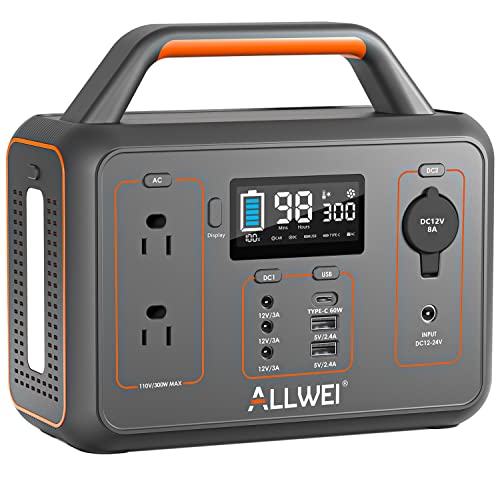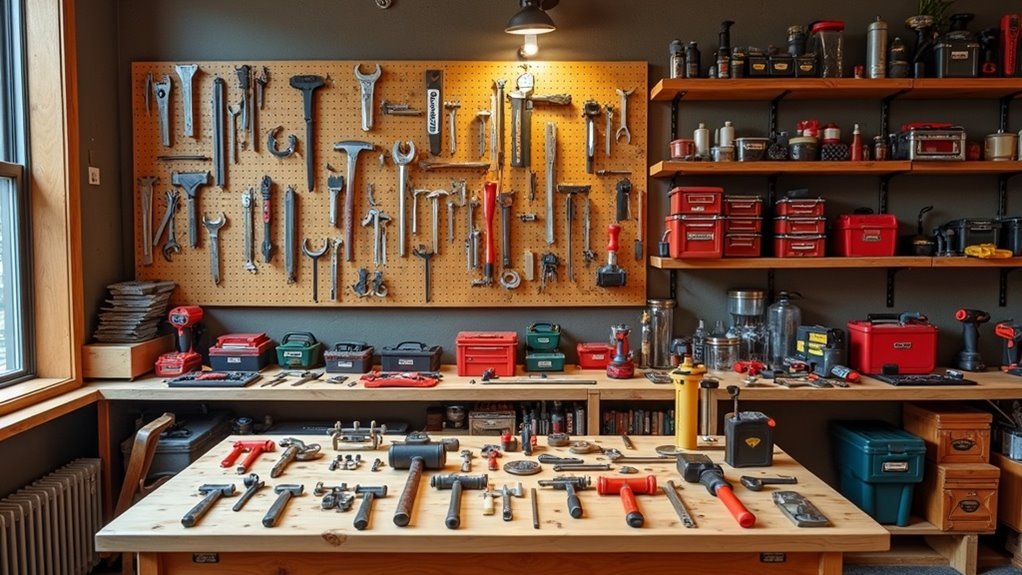
To organize a tool lending library focused on survivalism and prepping, start by gathering a core team of volunteers with diverse skills, including knowledge of outdoor survival, gardening, and DIY repairs. Collect tools and equipment through community donation drives, emphasizing items that support self-sufficiency and preparedness. Create a flexible membership system to ensure accessibility for all community members who wish to enhance their survival skills. Implement an inventory management system to keep track of tools, their condition, and any associated survival gear. Promote your library through survival workshops, preparedness events, and social media platforms to engage the community and raise awareness about the importance of being prepared. As you build connections and foster skills, you’ll uncover even more ways to enhance your library’s impact and resources, ensuring that your community is equipped for any situation.
Key Takeaways
- Assemble a core team with diverse skills in survivalism, preparedness, and community outreach to effectively manage operations and tool curation.
- Collect and manage survival tools through community donation drives and establish a sustainable inventory system focused on essential prepping equipment.
- Implement a tiered membership system for accessibility, including borrowing guidelines and liability waivers specific to survival gear.
- Promote the library through local survival events, social media channels, and partnerships with prepping groups and community centers.
- Continuously gather feedback from members to adapt resources and improve offerings based on community needs and interests in survivalism.
Gather a Core Team of Volunteers
To successfully launch a tool lending library focused on survivalism and prepping, you’ll want to gather a core team of volunteers who bring diverse skills and perspectives to the table.
Aim for 5-7 dedicated individuals, including those with expertise in project management, tool knowledge, emergency preparedness, and community outreach.
Assign specific roles such as coordinator, tool curator, and outreach specialist to streamline operations and enhance accountability.
Schedule regular meetings to facilitate communication, set survival-focused goals, and track progress, ensuring everyone stays aligned with your library’s mission of promoting self-sufficiency and preparedness.
Encourage your team to leverage their networks for additional volunteers, tool donations, and partnerships with local survival and prepping communities, strengthening the project’s foundation and outreach efforts.
Collect Tools Through Community Donations
To establish a thriving tool lending library that supports survivalism and prepping, it’s essential to engage your local community by soliciting donations.
Organizing donation drives at community preparedness events can foster connections and encourage active participation.
Collaborating with local survivalist groups and organizations can help broaden your reach.
Together, you can create a valuable and sustainable tool library that equips everyone with the resources needed to enhance their preparedness and self-sufficiency.
Engage Local Community Support
When you engage your local community in building a tool lending library with a focus on survivalism and prepping, it’s essential to create a welcoming atmosphere where everyone feels their contributions matter.
Host informational meetings to educate residents about the benefits of tool sharing, especially in emergency preparedness and self-sufficiency, while gathering their input on essential tools for survival.
Use social media and community boards to announce tool donation drives, encouraging residents to donate items they no longer need that could be crucial for prepping.
Partner with local survivalist groups and businesses for sponsorship opportunities, promoting the environmental and economic benefits of tool sharing as well as the importance of being prepared for unforeseen circumstances.
Promote Donation Drives
By collaborating with local survivalist organizations, prepper groups, and businesses, you can effectively organize community donation drives that encourage everyone to contribute to the emergency preparedness toolkit.
Promote your drives through social media, community boards, and neighborhood networks to maximize outreach. Clearly communicate the types of survival tools needed, such as first aid kits, water purification systems, and non-perishable food items, along with their required condition for quality donations.
Consider offering incentives, like discounts on preparedness workshops or recognition for donors, to boost participation.
Schedule specific collection events or drop-off days to make donating easy and engage with community members, fostering ownership and pride in the emergency preparedness resources you’re building together.
Collaborate With Organizations
Building on the momentum of your donation drives, collaborating with local organizations can greatly enhance your survival gear lending library‘s resource pool.
Reach out to outdoor retailers and preparedness suppliers to request donations of new or gently used gear; they often appreciate supporting community initiatives focused on self-reliance and preparedness.
Organize events like gear drives or swap meets to encourage residents to donate items they no longer need.
Partner with non-profits, schools, and community centers that focus on survival skills and emergency preparedness to spread the word and gather contributions.
Use social media platforms to circulate your call for donations, ensuring you provide clear guidelines on the types of gear and their condition for a successful collaboration.
Establish a Membership System
To create a successful tool lending library tailored for survivalism and prepping enthusiasts, you’ll want to establish a clear membership system that includes different tiers and fees.
This not only helps sustain the library but also encourages community involvement through incentives, which is essential for building a resilient network.
Let’s explore how you can set up borrowing guidelines and policies to ensure that tools are effectively shared and that members remain organized and prepared for any situation.
Membership Tiers and Fees
Creating a membership system with tiered options not only enhances accessibility but also fosters a sense of community among survivalists and preppers. By offering different membership tiers, you can cater to various needs and budgets, making preparedness more inclusive. Consider implementing a sliding scale for fees based on income, along with family or group memberships.
| Membership Tier | Benefits |
|---|---|
| Basic | $30/year, essential survival gear |
| Standard | Extended borrowing, workshops on skills |
| Premium | Access to advanced equipment |
| Family/Group | Shared access, community preparedness events |
These tiers not only support sustainability but also encourage collaboration and knowledge sharing among members in the survivalism community.
Borrowing Guidelines and Policies
To foster a robust survivalism and prepping community, it’s essential to implement clear borrowing guidelines and policies that enhance the experience for all members.
Establish borrowing periods for survival tools, typically ranging from one to two weeks, and provide a straightforward process for requesting extensions if needed. Efficiently track borrowed items and manage late fees to encourage timely returns, ensuring that essential survival gear remains accessible to all members.
Each member should sign a liability waiver and commit to taking care of the tools while in their possession, fostering a sense of accountability.
Additionally, consider offering extra benefits, such as discounts on survival workshops, to strengthen community engagement and create a welcoming environment for all those interested in preparedness and self-sufficiency.
Implement Inventory Management
As you begin to organize your survival gear and resources, implementing an effective inventory management system can make a significant difference.
Consider using software like Local Tools or Tool Librarian to automate reminders and track your supplies and equipment efficiently.
Maintain a centralized database that includes item condition, usage history, and member details for accountability within your prepper community.
Regularly update your inventory to reflect new acquisitions or repairs, and label items with unique IDs or barcodes for quick access.
Promote the Tool Library
A robust promotion strategy is essential for the success of your tool library, particularly in the context of survivalism and prepping. Engage your community by hosting local events that showcase essential tools and skills for self-sufficiency, offering demonstrations that spark interest in preparedness.
Promote self-sufficiency by hosting local events that highlight essential tools and skills for preparedness.
Utilize social media platforms like Facebook and Nextdoor to share updates, success stories, and tips for survival skills. Collaborate with schools and community centers to conduct workshops that emphasize skill-sharing and practical knowledge for emergencies.
Create eye-catching flyers and posters for distribution in high-traffic areas, raising awareness about your library’s mission to equip individuals for unforeseen circumstances.
Finally, develop a referral program that encourages current members to invite friends and neighbors, strengthening your community and enhancing participation in preparedness efforts.
Organize Community Events and Workshops
Engaging your community through organized survival and prepping events can significantly enhance the impact of your resource center. Hosting free community events like emergency preparedness workshops can educate members on essential survival skills while promoting your tools and supplies.
Collaborate with local experts in survival techniques to provide valuable knowledge for enthusiasts. Themed events, such as “Survival Saturdays” or seasonal foraging workshops, encourage regular participation and foster a strong community spirit.
Utilize social media and local boards to spread the word, reaching a broader audience interested in survivalism. After each event, collect feedback to tailor future workshops, ensuring they meet your community’s interests and needs for continuous improvement.
Foster Ongoing Community Engagement
How can you keep the momentum of your survivalist tool lending library alive and thriving? Foster ongoing community engagement through regular workshops and survival skills events, encouraging skill sharing and hands-on learning in areas such as gardening, food preservation, and emergency preparedness.
Create a feedback loop with surveys to understand community needs, ensuring your library evolves with member preferences and the ever-changing landscape of survivalism. Utilize social media and local platforms to promote events and share success stories, reinforcing connections within the prepper community.
Partner with local organizations focused on self-sufficiency and disaster preparedness to broaden outreach and enhance participation. Implement a volunteer program, allowing community members to take active roles in organizing events and maintaining tools, which builds ownership and belonging.
Together, you can create a vibrant, engaged community around your survivalist tool lending library, ready to face any challenge.