To interpret watch and warning terminology effectively for survival and prepping, it’s crucial to understand that a “watch” indicates potential severe weather conditions that may pose a threat to your safety, while a “warning” signifies imminent danger that requires immediate action to protect yourself and your loved ones. Watches are typically issued in advance, providing you with valuable time to prepare your supplies and implement emergency plans. In contrast, warnings are issued when severe weather is actively occurring or is about to happen, necessitating prompt responses.
Additionally, it’s important to be aware of advisories, which signal less severe conditions that still warrant caution and preparedness. By familiarizing yourself with these terms and their implications, you can significantly enhance your safety and readiness during severe weather events. Equip yourself with the knowledge to stay prepared and resilient. More insights on survival tactics and preparedness strategies await you.
Key Takeaways
- Watches indicate potential severe weather: These alerts signal favorable conditions for hazardous events, encouraging individuals to stay vigilant and prepare their emergency kits and plans.
- Warnings require immediate action: These notifications confirm that severe weather is either occurring or imminent, prompting urgent measures to safeguard lives and property. Ensure your shelter is ready and supplies are accessible.
- Advisories signal caution: These alerts inform individuals of less severe conditions that may still pose risks, advising careful behavior. While not as urgent as warnings, it’s essential to heed these advisories as part of your overall preparedness.
- Timing differences matter: Watches can be issued hours or days in advance, giving you time to prepare. Warnings are immediate calls to action, while advisories provide important information on less severe conditions that may still require attention.
- Stay informed through multiple sources: Regularly check NWS notifications, local media, weather apps, and NOAA Weather Radio for timely updates on weather conditions. Being informed is a key component of survival and preparedness.
Understanding Watches: What They Mean for You
When a weather watch is issued, it signifies that conditions are favorable for severe weather, and it’s crucial to take it seriously.
Watches indicate that circumstances exist for potentially dangerous phenomena such as tornadoes, floods, and winter storms. These alerts cover larger areas and can remain in effect for several hours to days, depending on the expected severity.
During a watch, it’s essential to stay vigilant and monitor updates from local authorities, who assess the situation based on regional patterns. Being prepared is key; ensure your supplies are stocked, secure your property, and remain informed, ready to spring into action if Warnings are issued, as those indicate immediate threats to your safety.
The Importance of Warnings in Severe Weather
Severe weather warnings are crucial for survivalists and preppers, as they provide vital information about imminent dangers that could threaten lives and property. Issued by the National Weather Service, these warnings necessitate immediate action to ensure safety.
Unlike watches, which indicate potential hazards, warnings confirm that severe weather is actively occurring in specific areas. For example, a tornado warning means a tornado has been sighted or detected, prompting you to implement your emergency plan without delay.
Staying informed through frequently updated warnings allows you to respond effectively, significantly minimizing the risk of injury or damage during severe weather events. As preppers, understanding and acting upon these warnings can greatly enhance your preparedness and resilience in the face of nature’s unpredictability.
Differentiating Advisories From Watches and Warnings
To effectively prepare for weather events, it’s crucial to understand the distinctions between advisories, watches, and warnings.
Advisories signal less severe conditions that may still require caution in your survival plans, while watches alert you to potential hazards that could develop, urging you to be ready.
Warnings, however, necessitate immediate action due to current or imminent severe weather, highlighting the importance of recognizing these distinctions to ensure your safety and preparedness.
Understanding Advisory Severity Levels
Understanding advisory severity levels is crucial for effective survival and preparedness in the face of changing weather conditions. The terms—advisories, watches, and warnings—represent different levels of risk that can impact your survival strategy.
An advisory indicates expected weather conditions that may cause inconvenience but aren’t severe enough to warrant a warning; however, it’s a signal to stay vigilant.
A watch, on the other hand, signifies the potential for severe weather, providing you with valuable time to gather supplies, secure your shelter, and ready yourself for hazardous conditions.
Finally, a warning means severe weather is imminent or already occurring, demanding immediate action to ensure your safety and the safety of your loved ones.
Understanding these distinctions enables you to make informed decisions about your safety and preparedness, enhancing your resilience against unpredictable weather events.
Timing and Duration Differences
When preparing for potential severe weather, understanding the timing and duration differences between advisories, watches, and warnings is crucial for survivalism and prepping.
Watches are typically issued several hours or even days in advance, providing you with valuable time to gather supplies and implement safety measures. Conversely, a warning is issued when severe weather is either currently occurring or imminent, necessitating immediate action to safeguard yourself and your loved ones.
While advisories signify less severe conditions, they can still lead to hazardous travel situations. The duration of watches can vary depending on the specific weather event, remaining active until conditions change.
Gaining a clear understanding of these differences is essential for effectively responding to severe weather threats and ensuring your overall safety and preparedness.
Public Response Recommendations
As severe weather approaches, it’s crucial for survivalists and preppers to understand the differences between advisories, watches, and warnings to respond effectively.
During a watch, it’s essential to stay vigilant and begin preparations, as conditions are ripe for possible hazardous events. Warnings, on the other hand, require immediate action to safeguard yourself, your loved ones, and your property, as dangerous weather is either happening or just around the corner.
Advisories signal less severe conditions but still call for caution and awareness.
By grasping these distinctions, you can refine your survival strategies and ensure you respond appropriately to the severity of the situation. Knowing when to take action versus when to prepare can be critical in mitigating risks and enhancing your chances of staying safe in severe weather events.
Preparing for Winter Weather: What to Know
When winter weather alerts are issued, grasping their importance is crucial for your safety and preparedness.
It’s essential to take proactive steps, like fortifying your home and vehicle, to reduce potential risks. Equip yourself with the necessary supplies and knowledge to respond to harsh conditions.
Stay vigilant by monitoring local updates and resources, ensuring you’re well-prepared for any situation that may arise during winter storms.
Understanding Winter Alerts
How can you stay prepared and safe during winter weather events? Understanding winter alerts is crucial for survivalists.
A Winter Storm Watch indicates that hazardous conditions may develop within 48 hours, so it’s time to gather supplies and ready your emergency plans.
When a Winter Storm Warning is issued, it means significant snow, sleet, or ice is on the way, creating dangerous conditions that could affect your ability to travel or access resources.
A Blizzard Warning means you should expect sustained winds over 35 mph and low visibility for three hours or more, making it imperative to stay indoors and secure your shelter.
An Ice Storm Warning signals that you should prepare for at least 1/4 inch of ice accumulation, which can lead to hazardous travel and potential damage to your property.
Lastly, a Winter Weather Advisory covers lighter conditions, such as freezing rain, which can still create travel challenges and require caution.
Stay alert, stock up on essentials, and ensure you’re prepared for whatever winter may bring.
Essential Preparation Tips
Preparing for winter weather is crucial for survivalists and preppers alike, requiring strategic measures to ensure your safety and well-being.
When a Winter Storm Watch is issued, it’s essential to stockpile essential supplies such as non-perishable food, water, and necessary medications, as power outages may disrupt access to resources.
If a Winter Storm Warning is announced, secure outdoor items and consider sheltering indoors to protect yourself from the potentially life-threatening conditions.
During a Wind Chill Advisory, it’s vital to dress in layers and thoroughly cover exposed skin to prevent frostbite.
Additionally, maintain a winter emergency kit in your vehicle that includes blankets, non-perishable snacks, and other survival gear.
Always stay vigilant by monitoring local weather updates to remain informed about changing conditions and to implement necessary safety measures.
Essential Items for Your Emergency Kit
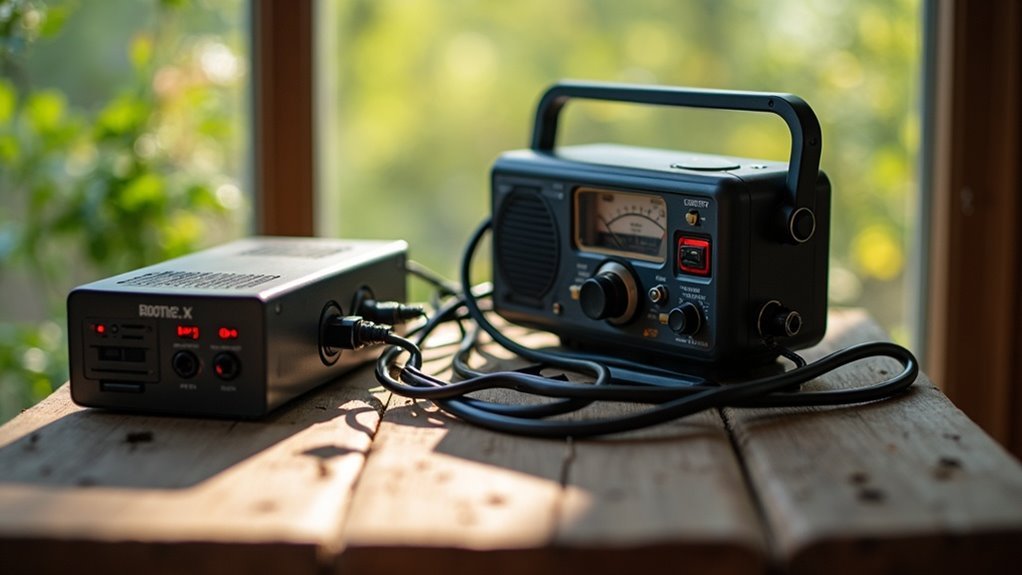
An effective emergency kit is crucial for survival and should be packed with essential items that can sustain you and your family for at least three days during any crisis. Prioritize non-perishable food and water—aim for one gallon per person per day. Equip your kit with a reliable flashlight and extra batteries to ensure visibility in dark situations. A comprehensive first aid kit and a versatile multi-tool are indispensable for addressing injuries and completing various tasks. Additionally, a battery-powered or hand-crank radio is vital for receiving updates on weather conditions and national alerts during power outages. Don’t overlook personal items such as necessary medications and important documents. Regularly inspect and update your emergency kit to ensure all items are functional and have not expired.
| Essential Items | Description |
|---|---|
| Non-perishable food | A three-day supply is crucial for sustenance |
| Water | One gallon per person per day is essential for hydration |
| Flashlight & batteries | Vital for visibility and safety during emergencies |
Staying Informed: How to Monitor Weather Alerts
Staying informed about weather alerts is crucial for your safety and preparedness during emergencies.
Subscribe to notifications from the National Weather Service (NWS) for real-time updates on freeze warnings, flood watches, and severe thunderstorm alerts. Local television and radio stations provide regular updates, especially during severe weather events, making them reliable resources for survivalists.
Utilize weather apps on your smartphone for push notifications tailored to your location, ensuring you receive timely alerts. Additionally, follow local meteorologists on social media for in-depth analyses and forecasts.
Investing in a NOAA Weather Radio is a smart choice for preppers, as it provides continuous weather information and alerts, keeping you informed even during power outages.
Being proactive and informed can make all the difference in your preparedness strategy.