To form a neighborhood phone tree for preparedness, start by gathering contact details from each household using a secure tool like Google Forms. Organize clusters of 5 to 10 households and appoint coordinators to ensure efficient communication during emergencies. Establish clear guidelines for reaching out in crisis situations, emphasizing the importance of concise messaging to relay critical information swiftly. Regularly update your contact list and conduct drills to test the phone tree every six months, ensuring that your community remains vigilant and ready for any scenario. When everyone actively participates, your neighborhood will be better equipped to handle emergencies and enhance overall resilience. You may also uncover additional strategies as you further explore survival tactics and community preparedness.
Key Takeaways
- Gather contact information from all households using efficient tools like Google Forms to ensure seamless communication for preparedness.
- Organize households into clusters of 5 to 10, assigning coordinators to each group to facilitate coordination during emergencies or drills.
- Establish clear communication protocols and define roles to ensure everyone knows how to respond in various survival scenarios.
- Conduct regular updates every six months to keep the information current, utilizing shared documents for easy access to survival resources.
- Foster community engagement through social media platforms and workshops focused on preparedness to enhance resilience and self-sufficiency.
Gathering Contact Information
To create an effective neighborhood phone tree for survival and preparedness, start by gathering contact information from every household—this ensures that everyone stays connected during emergencies.
Utilize tools like Google Forms to simplify the process and centralize vital data. Collect names, phone numbers, and email addresses for efficient communication.
Use Google Forms to streamline data collection, gathering names, phone numbers, and emails for effective community communication.
Highlight the benefits of the phone tree, such as enhanced community support, quick updates during disasters, and coordinated response efforts. Encourage neighbors to share contact details of others who may not be directly reachable.
Regularly update the contact list to maintain accuracy, especially as people move or change numbers.
This proactive approach fosters a responsive emergency phone tree that strengthens community resilience and preparedness for any situation.
Organizing Clusters and Assigning Coordinators
When you organize clusters and assign coordinators within your neighborhood phone tree, you’ll create a more efficient communication network that enhances preparedness and response efforts during emergencies. Group neighbors into clusters of 5 to 10 households, ensuring each coordinator is well-versed in their role of checking in with members. This fosters effective communication and ensures that everyone stays informed and ready.
| Cluster | Coordinator |
|---|---|
| North Block | Jane Doe |
| South Block | John Smith |
| East Block | Emily Johnson |
Regular check-ins among coordinators reinforce the communication structure and allow for necessary adjustments to improve overall effectiveness in times of crisis. This proactive approach is essential in a survivalist mindset, helping to ensure that your community is prepared and resilient.
Establishing Communication Guidelines
Establishing clear communication guidelines is crucial for the success of your neighborhood phone tree, especially in the context of survivalism and prepping, as it ensures that everyone knows their roles and responsibilities during emergencies.
To achieve this, consider the following:
Consider implementing clear communication guidelines to enhance the efficiency and effectiveness of your neighborhood phone tree during emergencies.
- Define the purpose: Ensure everyone understands the phone tree’s function and importance in your emergency preparedness plan.
- Structured hierarchy: Create a phone tree template outlining who contacts whom, which will facilitate efficient message dissemination during critical situations.
- Message clarity: Emphasize concise communication to minimize misunderstandings and enhance the effectiveness of your response.
Additionally, remember to regularly test the phone tree.
This practice will help participants feel confident and prepared when it matters most, ensuring that your community is ready to act in times of crisis.
Conducting Regular Updates
How often do you evaluate the accuracy of your neighborhood phone tree?
Conducting regular updates is vital for maintaining a reliable communication network in times of crisis. Schedule updates at least every six months to ensure all contact information is current, which helps minimize miscommunication during emergencies.
Utilizing a shared document like a Google Sheet facilitates easy edits and ensures accessibility for all community members.
To reinforce the phone tree’s importance and boost engagement, send a brief reminder message monthly. Regular check-ins not only keep the information accurate but also strengthen community ties, ensuring that everyone is ready and informed for emergency alerts.
Being prepared is a cornerstone of survivalism; a well-maintained phone tree can be a lifesaver when every second counts.
Encouraging Community Engagement
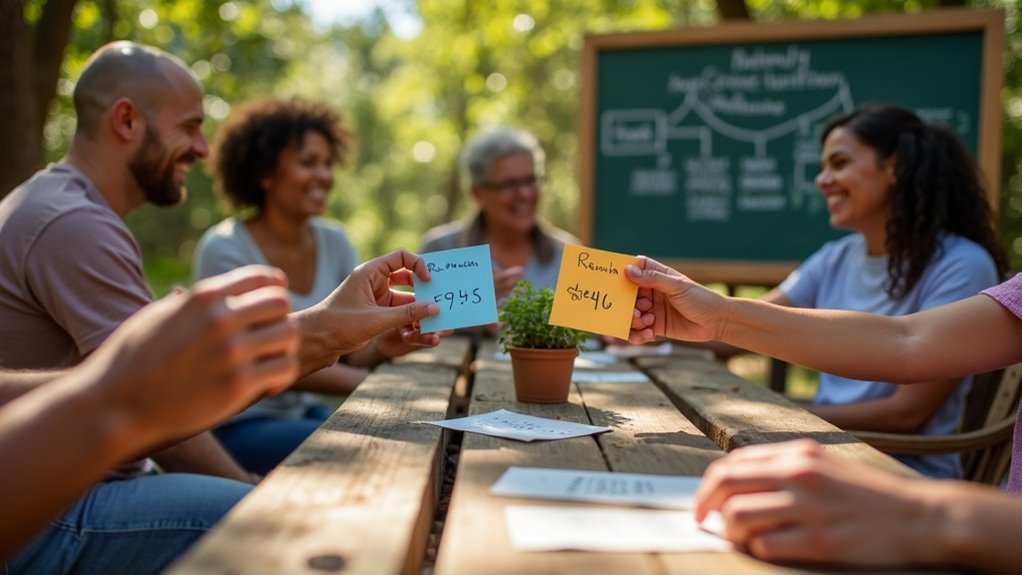
To truly build a resilient neighborhood phone tree, it’s essential to engage your community actively in preparedness efforts. Here are three effective ways to enhance participation:
Engaging your community in preparedness is key to building a resilient neighborhood phone tree.
- Leverage Social Media: Promote your phone tree system on platforms where 72% of adults connect with neighbors, sharing tips on survival strategies and prepping resources.
- Personal Outreach: Use door-to-door communication to reach those with limited internet access, ensuring everyone is informed about emergency plans and fostering deeper community ties.
- Create Volunteer Opportunities: Involve residents in organizing preparedness workshops or training sessions, which can boost community morale and strengthen the collective spirit in times of crisis.
Regularly share important updates regarding local emergency resources and encourage messaging like “Together, we’re prepared” to enhance communication and support resilience in challenging times.