To create a Grab and Go checklist, begin by categorizing essential survival supplies into critical groups such as emergency gear, tactical clothing, and personal items. Prioritize lightweight, non-perishable foods that can sustain energy and essential medications to ensure health during crises. Remember to store important documents in waterproof containers for protection against the elements. Regularly review and update your checklist to adapt to your family’s evolving needs and potential threats. Efficiently organizing your supplies is crucial in a survival situation and can significantly enhance your preparedness. Explore additional tips and strategies to bolster your survival readiness!
Key Takeaways
- Organize essential survival supplies into categories such as emergency gear, clothing, and personal items to streamline packing and ensure quick access during critical situations.
- Focus on lightweight, non-perishable food items that are high in energy content, providing necessary sustenance during emergencies and ensuring you remain fueled for any challenges that arise.
- Store personal documents and vital medications in waterproof containers to protect against damage and facilitate rapid retrieval when time is of the essence.
- Conduct thorough reviews and updates of your checklist every six months to adapt to evolving family needs and to replace expired supplies, ensuring you’re always prepared.
- Engage all family members in the checklist development process to comprehensively address each individual’s unique needs and preferences, fostering a collective readiness for any emergency.
Understanding the Importance of a Grab and Go Checklist
When emergencies strike, having a Grab and Go Checklist is crucial for effective survival and preparedness. A well-organized Go Bag, stocked with essential supplies and detailed maps, empowers you to evacuate quickly and efficiently.
This checklist minimizes panic and confusion, enabling you and your family to respond decisively when every second counts. Regularly updating your checklist is vital to meet evolving needs, ensuring you have everything from critical medications to gear for new family members.
Moreover, it cultivates a sense of awareness and responsibility among your loved ones regarding emergency preparedness, equipping everyone to handle potential crises with confidence and reduce risks effectively.
Categorizing Your Essential Supplies
A well-organized Grab and Go Checklist is crucial for survival preparedness and begins with effectively categorizing your essential supplies.
Divide your gear into critical categories such as emergency supplies, clothing, personal items, family and pet needs, and comfort items. Within each category, specify essential items, like a comprehensive first aid kit under emergency supplies or weather-appropriate clothing under personal items.
Be sure to consider the unique needs of each family member—include necessary medications or favorite comfort items for children.
Utilize a checklist format for efficient tracking as you pack, ensuring nothing is overlooked. Regularly update your list, particularly after emergencies or changes in family circumstances, to maintain relevance and readiness for any survival situation.
Prioritizing Lightweight and Non-Perishable Items
When assembling your grab-and-go bag for survival situations, it’s crucial to prioritize lightweight and non-perishable items to ensure efficiency and readiness.
Consider packing energy-dense options like granola bars and dried fruits, which provide necessary sustenance without adding bulk. Additionally, incorporate canned goods or high-calorie energy bars that have a long shelf life.
Essential Food Choices
Preparing a grab-and-go survival kit requires careful selection of essential food items that are lightweight and non-perishable. Focus on options that provide energy and nutrients without adding bulk. Here’s a quick guide to help you build a reliable emergency food supply:
| Food Item | Benefits | Preparation |
|---|---|---|
| Granola Bars | Nutrient-dense, easy to pack | No prep needed |
| Canned Tuna | High in protein, convenient pull-tab | Eat straight from can |
| Instant Oatmeal | Quick energy, just add water | Minimal prep |
Ensure all items are suitable for various dietary restrictions to make your survival kit usable for everyone during emergencies. Proper planning can mean the difference between comfort and struggle when facing unforeseen circumstances.
Lightweight Gear Options
Building a grab-and-go survival kit isn’t just about food; lightweight gear is crucial for ensuring you’re prepared for any emergency.
Start with a waterproof backpack or duffle bag to safeguard your essentials and facilitate easy transport. Prioritize non-perishable foods like energy bars and dehydrated meals to ensure you have essential nutrition without the need for refrigeration.
Pack compact personal hygiene items, such as travel-sized toiletries and wet wipes, to maintain cleanliness without adding unnecessary weight.
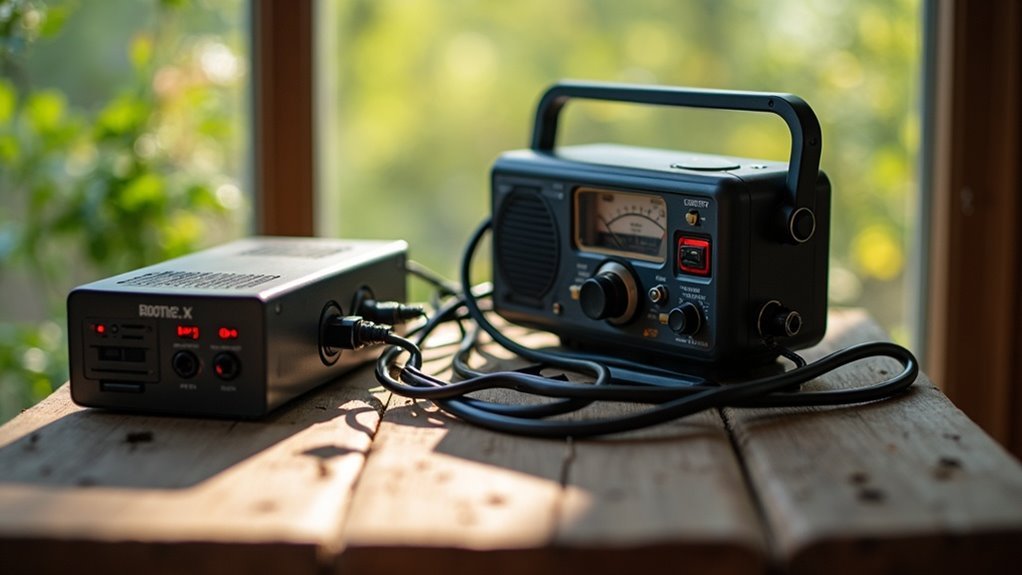
Don’t overlook the importance of a lightweight flashlight and a hand-crank radio for reliable communication and navigation.
Lastly, include moisture-wicking clothing that rolls tightly, allowing you to pack a change of clothes without excess bulk, so you can stay agile and ready for any situation.
Including Personal Documents and Medications
Including personal documents and medications in your grab-and-go kit is crucial for ensuring you can access essential services during emergencies. Here’s what you should prioritize for your survival and preparedness plan:
- Copies of important documents: Always have backups of your insurance cards, medical records, and identification. These can be critical in crisis situations.
- Comprehensive list of medications: Document all medications you take, including dosages and the reasons for each. This information can be vital for medical professionals in emergencies.
- Waterproof containers: Store medications in waterproof containers to shield them from damage due to water exposure or environmental conditions.
- Backup supplies: Consider including extra assistive devices, such as glasses or inhalers, to ensure you’re fully equipped to handle any situation.
Preparedness is key in survivalism; being organized with your personal documents and medications can make all the difference when it matters most.
Regularly Reviewing and Updating Your Checklist
To ensure you’re always ready for any situation, it’s essential to conduct biannual reviews of your grab-and-go checklist.
During these assessments, verify the expiration dates on all medications and update your supplies to reflect any significant life changes, such as the addition of a new family member or pet.
Keeping your checklist current not only enhances your preparedness but also ensures that it effectively meets your family’s needs during a crisis or emergency.
Schedule Biannual Reviews
While it’s easy to overlook your grab and go checklist, scheduling biannual reviews is essential for maintaining its effectiveness and relevance in the world of survivalism and prepping.
Target your reviews for the spring and fall to accommodate seasonal changes that may impact your preparedness. During each review, consider these critical points:
- Involve all family members to gather diverse input on necessary items that enhance your survival strategy.
- Update the checklist with new health guidelines, emergency supplies, and any evolving threats that warrant attention.
- Check expiration dates on food, medications, and batteries to ensure everything is ready for use when needed.
- Maintain a written record of reviews to track updates and changes effectively, creating a reliable history of your preparedness journey.
This proactive approach ensures your checklist aligns with your family’s specific needs and readiness for any potential emergencies or crises.
Check Expiration Dates
Regularly checking expiration dates is crucial for ensuring your Go Bag is ready for action when the time comes. Aim to review your supplies at least twice a year, so you can keep everything current. To streamline this process, create a checklist that includes expiration dates for quick reference. Don’t forget to replace batteries in flashlights and radios every year, and keep an eye on personal hygiene items like hand sanitizer.
| Item | Expiration Date |
|---|---|
| Canned Food | MM/YYYY |
| Medications | MM/YYYY |
| Batteries | MM/YYYY |
| Hand Sanitizer | MM/YYYY |
Stay vigilant and proactive to ensure you’re always prepared for any emergency situation!
Update Personal Needs
As your life evolves, so too should the contents of your Go Bag. It’s essential to conduct a thorough review of your checklist at least twice a year to ensure that everything remains current and relevant for your survival needs.
Here are some critical updates to consider:
- New medical conditions or medications that could affect your preparedness
- Changes in family size, including any new pets that require care
- Seasonal clothing adjustments to ensure you’re equipped for varying weather conditions
- Updated health and safety guidelines, such as those related to pandemics or other emergencies
Be sure to document any changes you make, including the dates, to maintain an organized emergency plan.
Tips for Efficient Packing in Emergencies
When emergencies strike, efficient packing is crucial for your survival and ability to respond swiftly.
Prioritize lightweight and compact items in your Bug Out Bag for easy transport. Use packing cubes or zip-lock bags to organize survival supplies, maximizing space in your backpack or duffle. Keep essential items, like a tactical flashlight and hygiene products, easily accessible at the top for quick retrieval.
Include versatile clothing layers, such as a moisture-wicking long sleeve shirt and waterproof rain gear, to adapt to changing environmental conditions without adding unnecessary bulk.
Regularly review and update your packing checklist to ensure your Bug Out Bag meets your family’s evolving needs and preparedness goals.
Stay vigilant and ready!