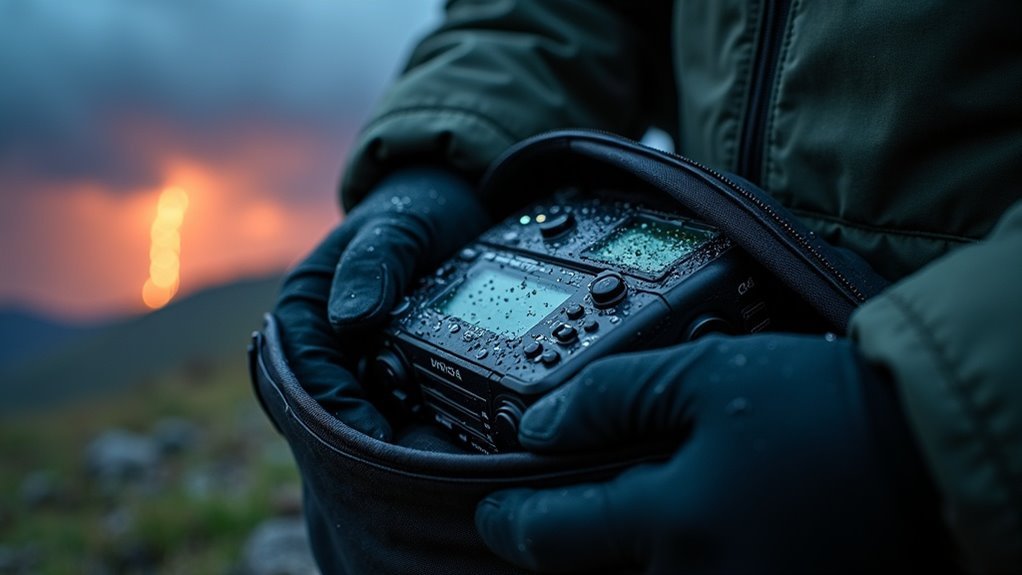
To conduct a nighttime evacuation drill effectively, begin by ensuring all participants are well-informed about their roles and the procedures involved. Schedule the drill between 9 PM and 6 AM to replicate real emergency conditions, which is crucial for survival preparedness. Utilize coded announcements to reduce panic and maintain order during the drill. Carefully assess and familiarize participants with evacuation routes, ensuring they are safe and accessible. After the drill, gather feedback from participants and document your findings to identify areas for improvement. Regular practice is essential for enhancing readiness and survival skills. Additionally, consider incorporating realistic scenarios and challenges to further prepare participants for actual emergencies.
Key Takeaways
- Schedule the drill between 9 PM and 6 AM to simulate realistic nighttime conditions and challenges, essential for survival scenarios.
- Prepare participants with clear communication and tailored instructions, especially for those with disabilities, to ensure everyone is equipped for emergency situations.
- Utilize coded announcements to activate alarms without causing panic during the drill, reinforcing the importance of maintaining composure in crises.
- Monitor and document participant involvement and feedback to refine future drills and evacuation procedures, enhancing survival skills and preparedness.
- Conduct a debriefing session post-drill to discuss experiences and identify areas for improvement, ensuring that everyone is better prepared for real-life emergencies.
Understanding the Importance of Nighttime Evacuation Drills
When considering emergency preparedness, nighttime evacuation drills are a critical component that often gets overlooked.
These drills are vital for equipping survivalists and preppers with the skills needed to navigate the unique challenges presented by a nighttime fire. In low-light conditions, visibility is severely limited, which can heighten anxiety and lead to disorientation.
Conducting regular fire evacuation drills not only helps identify obstacles and safety hazards but also allows you to refine your emergency protocols for maximum effectiveness. Engaging participants in these drills boosts their confidence and readiness, crucial elements that can be lifesaving during a real emergency.
Implementing nighttime fire safety training at least once a year ensures that everyone is well-acquainted with the necessary protocols, ultimately enhancing your overall emergency preparedness strategy.
Preparing for the Drill: Key Considerations
Before you conduct a nighttime evacuation drill, it’s crucial to consider several key factors that ensure the safety and effectiveness of the exercise.
Begin by assessing the specific needs of all participants, particularly individuals who may be non-ambulatory or have cognitive impairments. Ensure that all team members are well-trained in their designated roles and responsibilities, including effective communication strategies for those with learning difficulties.
Assess participant needs, especially for those non-ambulatory or with cognitive impairments, ensuring all team members are well-prepared and communicate effectively.
Carry out a comprehensive safety assessment to identify potential hazards along evacuation routes, making necessary adjustments to improve safety.
Establish a clear communication plan, providing advance notice to participants and utilizing coded announcements to convey critical information.
Finally, meticulously document the drill process and any challenges encountered to refine your safety protocols for future exercises, aligning them with the principles of survivalism and preparedness.
Communicating the Drill to Staff and Residents
To ensure that all staff and residents are prepared for the nighttime evacuation drill, it’s essential to communicate clearly and effectively.
Utilize various channels such as emails, posters, and community boards to inform everyone about the drill and provide comprehensive instructions on what to expect.
As the date approaches, send timely reminders to reinforce the importance of preparedness and safety.
Clear Notification Channels
Effective communication is critical for the success of a nighttime evacuation drill, especially in survival situations where preparedness is key. Utilize multiple channels to ensure everyone is informed and ready to act.
Use clear notification methods such as email, text alerts, and intercom announcements to convey the drill details, including the date, time, and specific evacuation procedures. Distribute written notices in common areas and digitally at least one week in advance to give everyone ample time to prepare.
For residents with disabilities, provide tailored instructions that consider their unique needs to help reduce anxiety during the drill.
Conduct pre-drill briefings for your emergency response team to clarify roles and responsibilities in a survival context. Incorporate visual aids, such as evacuation route diagrams, to enhance understanding and ensure everyone knows how to respond effectively during an actual emergency.
Detailed Drill Instructions
Communicate the details of the nighttime evacuation drill clearly and confidently to ensure everyone understands their roles and responsibilities in a survival situation.
Share the date, time, and purpose of the drill at least a week in advance through staff meetings, emails, and posted notices.
Provide detailed instructions on how to activate the fire alarm system and use coded announcements during the drill, as these skills are crucial in emergencies.
Ensure that staff are aware of their responsibilities to assist residents, particularly those with mobility challenges, and that they’re familiar with evacuation routes and assembly points, which are essential for effective survival strategies.
After the drill, hold a debriefing session to gather feedback and identify areas for improvement for future drills, as continuous learning is key to preparedness.
Timely Reminders Prioritize
Announcing the nighttime evacuation drill well in advance is essential for ensuring everyone is prepared for potential emergencies.
To effectively communicate the drill, follow these steps:
- Notify all personnel and residents at least one week prior to the drill.
- Utilize multiple communication channels such as meetings, notice boards, and digital platforms to disseminate the information.
- Clearly outline the date, time, and objectives of the drill, emphasizing the importance of participation for overall safety preparedness.
- Provide specific information and resources for residents with cognitive impairments or physical disabilities to ensure they understand their roles and responsibilities during the drill.
Timely reminders are crucial for reinforcing the importance of staying calm and adhering to protocols during this critical emergency drill, which is vital for survival preparedness.
Executing the Nighttime Evacuation Procedure
When conducting a nighttime evacuation drill, it’s crucial to simulate realistic conditions that occupants might face during an actual emergency. Schedule drills between 9 PM and 6 AM to mimic the unpredictability of a real crisis. Utilize coded announcements to activate visual fire alarms without causing unnecessary panic. Ensure that all staff are thoroughly trained in emergency procedures, their designated roles, and effective communication methods. Keep a detailed record of attendance to monitor engagement and performance. Evaluate staff response times and compliance with evacuation protocols, and use feedback to refine future drills.
| Action | Purpose |
|---|---|
| Simulate conditions | Enhance realism |
| Use coded announcements | Minimize panic |
| Document attendance | Ensure accountability |
Conducting the Roll Call and Ensuring Safety
To ensure everyone’s safety during a nighttime evacuation drill, especially in a survivalist context, conducting a roll call is crucial for confirming that all occupants are accounted for. Follow these steps:
- Designate a secure assembly point that’s easily accessible and away from potential hazards.
- Train all members on their roles and responsibilities during the roll call process.
- Quickly and accurately identify any missing individuals using a systematic approach.
- Establish a protocol for documenting missing persons as if it were a real emergency, preparing for any scenario.
Regularly review and practice these procedures to enhance readiness and response for actual emergencies.
This not only ensures compliance with survivalist principles but also prioritizes the safety and well-being of everyone involved during a nighttime evacuation.
Monitoring and Debriefing After the Drill
After the drill, it’s crucial to monitor observations and evaluate participant involvement to pinpoint any challenges encountered during the evacuation.
Collect feedback to develop an improvement action plan that tackles these issues and strengthens the effectiveness of future drills.
Document everything in an after-action report to ensure that all participants comprehend their roles and responsibilities moving forward in the context of survivalism and prepping.
This will help refine strategies and enhance readiness for real-life scenarios.
Observations During Evacuation Drill
Monitoring residents during a nighttime evacuation drill is crucial for effective survival preparedness, especially for those who may struggle with cognitive impairments.
Focus on these key observations:
- Assess communication effectiveness among staff, particularly during roll call, to ensure everyone knows where to go and what to do.
- Document challenges faced by non-ambulant residents to refine future evacuation strategies and ensure everyone can escape safely.
- Evaluate the clarity and accessibility of exit routes and signage, ensuring they’re well-marked and visible, to guarantee safety during emergencies.
- Collect participant feedback immediately after the drill to identify areas for improvement and enhance future preparedness efforts.
Participant Involvement Assessment
Gathering participant feedback post-drill is essential for evaluating their understanding of evacuation procedures and identifying any communication issues that arose during the exercise.
Conduct a debriefing session where participants can openly discuss their experiences and suggest improvements. This collaborative approach not only helps assess comprehension but also highlights challenges, especially for non-ambulant individuals.
Document any inappropriate actions or delays to refine future evacuation drills. Evaluate participant involvement by analyzing turnout and their ability to follow procedures, as these factors directly influence overall efficiency.
Improvement Action Plan
To ensure your nighttime evacuation drill leads to practical enhancements in your survival strategy, it’s essential to create a structured action plan for monitoring and debriefing. Follow these steps:
- Collect feedback from participants and observers to identify obstacles, particularly concerning communication and assistance for individuals with special needs.
- Keep a detailed record of all actions taken during the drill, highlighting any inappropriate behaviors or deviations from established protocols.
- Host a debriefing session with your preparedness team to discuss insights and refine your emergency evacuation plan.
- Plan and execute follow-up drills to foster ongoing improvement in emergency evacuation procedures, especially for scenarios with low visibility and individuals who may require additional support.
Regular drills will help you optimize your escape routes and ensure readiness in real-life situations.
Establishing a Regular Schedule for Nighttime Drills
Establishing a regular schedule for nighttime drills is crucial for ensuring that both staff and residents are adequately prepared for emergencies. Aim to conduct these evacuation drills at least once a year, as recommended by survival guidelines.
Regular nighttime drills are vital for preparing staff and residents for emergencies; aim for at least one drill annually.
Schedule drills during various shifts, including nighttime, to equip staff with the skills needed to respond effectively in different scenarios. Simulate realistic situations with potential obstacles to enhance preparedness and resilience.
It’s essential to involve all staff members, ensuring everyone comprehends their roles and responsibilities in an emergency. Regular drills also help identify gaps in training and communication, allowing you to refine evacuation procedures to cater to the unique needs of residents during off-hours.
Stay proactive and prioritize safety in your preparedness efforts!