To choose a bug out location, prioritize reliable water sources and viable food production options to ensure your survival. Avoid urban areas to minimize risks associated with population density and potential chaos. Investigate legal aspects such as property rights and zoning regulations to secure your site for long-term use. Assess the terrain for natural barriers that can enhance security and ensure accessibility, while steering clear of areas that are prone to natural disasters. Establish robust security measures to protect your refuge from potential threats. By following these guidelines, you’ll make informed decisions about your safety and self-sufficiency in emergencies. Remember, there’s much more to consider in your overall preparedness plan, so continuously evaluate and adapt your strategies for the best possible outcome.
Key Takeaways
- Prioritize locations with reliable water sources to ensure long-term survival and hydration, which is essential for any survivalist.
- Assess the availability of land for food production, including options for gardening and integrating livestock to sustain your prepper lifestyle.
- Choose sites away from urban areas to minimize exposure to risks associated with high population density, making it easier to maintain a low profile.
- Evaluate natural barriers and terrain features to enhance security and provide protection from potential threats, ensuring your bug out location remains defensible.
- Investigate zoning laws and property rights to avoid legal complications regarding land use, as understanding these regulations is crucial for any prepper planning for the long term.
Defining a Bug Out Location
When you think about a Bug Out Location (BOL), envision it as your ultimate sanctuary during emergencies, where safety and self-sufficiency take precedence.
A well-chosen BOL should be close to dependable water sources and viable food production options, ensuring you can sustain yourself for the long haul.
Selecting a BOL near reliable water and food sources is essential for long-term survival and self-sufficiency.
It’s crucial to select a refuge that’s distanced from urban areas to mitigate the risks tied to high population density.
Moreover, consider factors such as privacy and concealment to evade unwanted attention.
Before making a final decision, investigate legal considerations like property rights and zoning regulations to ensure compliance and usability during a crisis.
Your journey into emergency preparedness begins with this critical choice.
Key Considerations for Bug Out Sites
Choosing the right Bug Out Site is a crucial aspect of survivalism and prepping, and it requires careful consideration of several essential factors that directly affect your chances of survival.
First and foremost, ensure there’s reliable water access, as it’s vital for sustaining life. Look for locations that are abundant in natural food sources to secure both food and water in the long term.
Next, evaluate the terrain; natural barriers such as rivers, mountains, or dense forests can offer protection from potential threats and provide strategic advantages during emergencies.
Additionally, assess the risk of natural disasters—such as flooding, wildfires, or earthquakes—to minimize hazards and ensure your site remains safe during crises.
Lastly, it’s critical to have a clear plan regarding legal considerations, including zoning laws and property rights, to avoid complications with land use. Understanding these regulations can help you navigate any legal challenges that might arise and ensure that your Bug Out Site serves its intended purpose without unnecessary obstacles.
Evaluating Water Sources
As you evaluate potential water sources for your Bug Out Site, it’s essential to prioritize reliability and cleanliness to ensure your survival.
Look for water resources that are consistent and easily accessible, while also being mindful of their distance from your site to mitigate flooding risks.
Seek reliable and easily reachable water sources, considering proximity to reduce flooding hazards.
Constructing basic spillways can enhance usability, and keeping an eye on animal activity will help prevent contamination.
Be aware of seasonal variations, as water availability can fluctuate during dry or rainy periods.
Always have a contingency plan for potential pests that could affect these resources, ensuring you have a secure and effective method to store and utilize your water supply.
Strategies for Self-Sufficiency
To achieve true self-sufficiency in a survivalist context, it’s essential to implement effective food production techniques, strategic water source management, and practical waste management solutions.
Begin by planning a diverse garden that includes high-yield, resilient crops, and consider integrating livestock to ensure a stable food supply in times of crisis.
Additionally, establish a reliable water system, such as rainwater harvesting or well drilling, and create a waste disposal plan that supports your sustainable lifestyle while minimizing vulnerabilities.
Preparing for emergencies and developing these skills will enhance your self-reliance and readiness for any situation.
Food Production Techniques
When you’re preparing for self-sufficiency in food production, employing a range of survival-oriented techniques is crucial.
Start by practicing crop rotation to enhance soil fertility and reduce pest populations, which is vital for sustainable food sourcing in uncertain times.
Implement companion planting strategies, such as growing marigolds alongside vegetables, to naturally repel unwanted pests.
Consider vertical gardening to optimize limited space by allowing plants to grow upward, making the most of your available area.
Establishing a small-scale permaculture system can mimic natural ecosystems, promoting biodiversity and resilience.
Lastly, prioritize food preservation methods like canning, drying, and smoking to extend the shelf life of your harvest, ensuring you have a reliable food supply during challenging seasons.
Water Source Management
Effective water source management is critical for achieving self-sufficiency in your bug out location, as access to clean water can mean the difference between life and death. Prioritize sustainable water sources with natural filtration, such as streams or springs, to ensure a reliable supply. Implement rainwater collection systems to harness precipitation for use during dry spells. Regular water testing is crucial to confirm safety and address any contamination risks proactively. Additionally, constructing basic spillways can help direct runoff to storage areas, enhancing the usability of your water resources.
| Strategy | Description | Benefits |
|---|---|---|
| Rainwater Collection | Collect and store precipitation | Provides water during drought |
| Natural Filtration | Utilize flowing water sources | Reduces contamination risks |
| Regular Testing | Consistently check water quality | Guarantees potability |
| Spillway Construction | Direct runoff to storage | Prevents stagnation |
| Routine Monitoring | Observe water sources for potential issues | Maintains cleanliness |
Waste Management Solutions
Maintaining a clean and efficient waste management system is crucial for survivalists and preppers, just as securing a reliable water source is vital at your bug out location.
Implementing composting toilets can significantly reduce waste while providing nutrient-rich compost for your garden, enhancing your self-sufficiency and food production capabilities.
Establishing a greywater system allows you to recycle water from sinks and showers for irrigation, conserving precious resources that can be critical during emergencies.
In situations where conventional sanitation is compromised, using biodegradable waste bags for human waste ensures sanitary disposal with minimal environmental impact.
Regular maintenance, such as proper venting and drainage, is essential to prevent odors and health hazards, which can be detrimental in survival scenarios.
Lastly, engaging in community knowledge sharing can help improve waste management solutions and enhance your overall efficiency in a prepping lifestyle.
Security and Safety Measures
Choosing a bug out location isn’t just about finding a remote spot; it’s essential to incorporate robust security and safety measures that can safeguard you and your supplies.
Prioritize areas with natural barriers such as rivers or mountains to enhance your defense. Ensure your location provides ample concealment from main pathways to minimize the risk of detection.
Implement strong security measures, including reinforcing entry points and, if feasible, installing barriers or surveillance cameras. Establish a comprehensive safety protocol that includes communication plans and regular emergency drills to prepare for potential threats.
Additionally, keep self-defense tools readily accessible and routinely assess your location to identify and mitigate any vulnerabilities that may develop over time.
Understanding Natural Disaster Risks
While ensuring security and safety at your bug out location is essential for survivalists and preppers, understanding the natural disaster risks associated with your chosen area is equally vital.
Evaluating these risks can empower you to make informed, strategic decisions:
- Analyze historical data to identify the frequency and severity of potential natural disasters, such as floods and wildfires, which can significantly impact your preparedness plans.
- Assess the terrain; steer clear of low-lying areas prone to flooding and maintain a safe distance from water sources that could pose a risk during heavy rains or storms.
- Look for natural indicators, such as healthy vegetation, which can suggest lower wildfire risks and better water availability—key factors for sustaining yourself in an emergency.
Terrain and Accessibility Factors
When selecting a bug out location, it’s essential to consider both the terrain and accessibility to ensure you can reach your refuge swiftly and safely in an emergency situation.
Opt for terrain that offers natural defenses, such as hills or dense forests, which enhance security against potential threats.
Choose locations with natural barriers like hills or dense forests to bolster your security against potential dangers.
Assess accessibility based on distance; ideally, you should be able to reach your location within a few hours on foot or by vehicle.
Evaluate the condition of access routes—well-maintained paths are crucial for a quick evacuation.
Additionally, ensure the terrain allows for self-sufficiency, such as space for gardening and other survival activities, while also assessing disaster risks like flood zones to guarantee long-term safety at your bug out site.
Planning for Long-Term Sustainability
How can you ensure that your bug out location remains sustainable for the long term? To achieve enduring survival, concentrate on these essential components:
- Renewable Water Sources: Establish reliable access to streams, lakes, or efficient rainwater harvesting systems to ensure a steady supply of hydration.
- Fertile Soil: Select land with nutrient-rich soil and a climate conducive to gardening to bolster your self-sufficiency and food production.
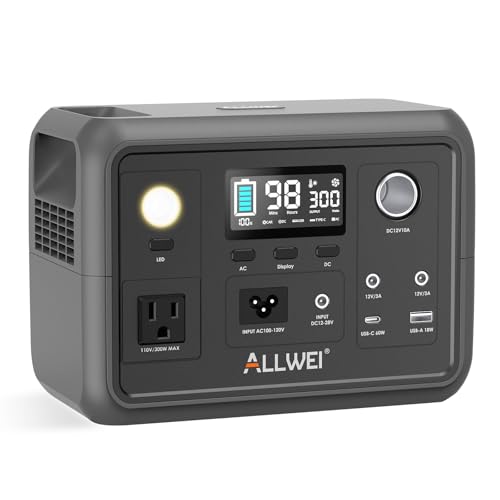
- Energy Generation: Invest in renewable energy solutions, such as solar panels or wind turbines, to minimize reliance on external power sources.
Furthermore, implement sustainable waste management practices through composting and connect with local off-grid communities to enhance your preparedness and resilience.