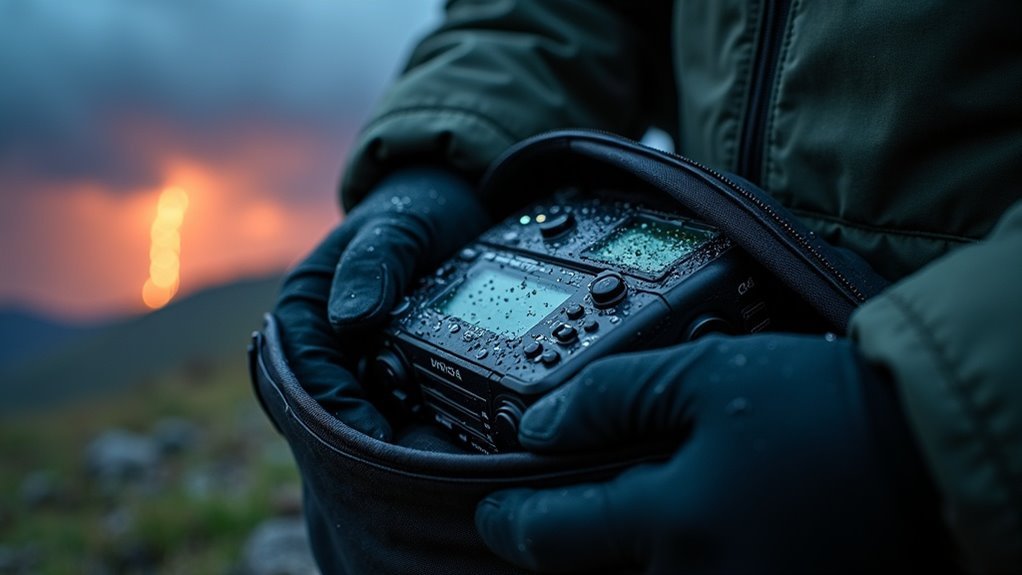
To cache supplies legally and safely as part of your survivalism and prepping efforts, start by researching local laws regarding caching on public and private property. Always obtain permission for private land to avoid trespassing and potential legal issues. Choose discreet, low-traffic locations that blend into the environment, using natural features for concealment to protect your cache from prying eyes. Opt for durable, waterproof containers to safeguard your supplies from the elements, and consider incorporating desiccants to prevent moisture damage. Regularly maintain your cache by inspecting and replacing items as necessary to ensure they remain viable for long-term readiness. With these strategies, you’ll be well-equipped to manage your cache effectively as part of your preparedness plans.
Key Takeaways
- Research and understand local laws regarding caching on both public and private property before proceeding with any plans to ensure compliance with survivalist practices.
- Obtain permission for caching on private land to avoid potential trespassing issues and to maintain good relationships with landowners.
- Choose discreet locations that are easily accessible yet minimize the risk of discovery by others, which is essential for effective preparedness.
- Use durable, waterproof containers to protect supplies from moisture and environmental damage, ensuring they remain viable for survival situations.
- Schedule regular inspections to maintain cache integrity, check expiration dates, and ensure all supplies are secure and ready for use in emergencies.
Understanding Local Regulations for Caching
Before you start caching supplies as part of your survivalism and prepping strategy, it’s crucial to understand the local regulations that govern this practice.
Research local laws regarding the legality of burying or hiding items on both public and private property. If you’re caching on private land, always obtain permission to avoid trespassing charges.
Be mindful that certain public lands have strict guidelines, particularly in ecologically sensitive areas or national parks, which can impact your caching activities.
Additionally, familiarize yourself with wildlife regulations, as caching food may necessitate specific containment methods to prevent attracting unwanted animals.
Regularly check for updates to local laws, as regulations can evolve based on environmental concerns or land management policies that may affect your cache location.
Staying informed will help ensure your preparedness efforts remain compliant and effective.
Selecting the Ideal Location for Your Cache
When selecting a location for your survival cache, prioritize areas that provide both accessibility and discretion to reduce the risk of discovery.
Consider environmental factors, including seasonal changes, to ensure you can access your cache year-round.
Look for natural features, such as dense foliage or rocky outcrops, that can effectively conceal your supplies while keeping them within easy reach for emergencies.
Accessibility and Discretion
Choosing the right location for your cache is critical in survivalism and prepping, as it needs to strike a balance between accessibility and discretion.
Look for areas that are easily reachable yet provide low visibility, such as dense vegetation or natural features that can conceal your supplies. Avoid locations with high foot traffic to reduce the risk of discovery.
Always adhere to local laws, especially on public lands or private property, where permissions may be required.
Additionally, consider the environment—seasonal changes can significantly impact accessibility.
Lastly, think about utilizing multiple smaller caches in various locations to enhance discretion and minimize the risk of losing everything if one cache is discovered.
Environmental Considerations
While you might be eager to store your supplies, selecting an environmentally responsible location is crucial for both sustainability and your success in survivalism.
Opt for areas with lush vegetation and high soil moisture to facilitate easier recovery and minimize disruption to the ecosystem. Steer clear of ecologically sensitive regions, such as high alpine areas or cryptobiotic deserts, to protect these fragile environments.
Place your survival cache at least 200 yards away from trails, roads, and water sources to decrease the likelihood of discovery. Ensure that the site can be restored to its natural state after digging, adhering to Leave No Trace principles.
Always verify local regulations regarding caching to ensure compliance with any restrictions.
Choosing the Right Container for Protection
Selecting the right container is crucial for safeguarding your supplies against moisture and pests. Here are some essential considerations for your survival caches:
- Airtight and durable: Opt for robust containers such as PVC pipes or ammo cans that can endure harsh environmental conditions.
- Waterproof features: Ensure your container is waterproof to keep your valuable contents dry and protected.
- Desiccants: Incorporate desiccants to absorb moisture and prevent deterioration over time.
- Size matters: Choose a size that aligns with the quantity and type of supplies you plan to store for efficient packing and organization.
Packing Your Cache Effectively
After you’ve secured the right container for your supplies, it’s time to focus on packing your cache effectively for survival situations.
Organize similar items into bags to maximize space efficiency and ensure quick access during emergencies. Use airtight containers to protect your supplies from moisture and rodents, preserving the integrity of your survival kit.
Including desiccants can absorb moisture and prevent spoilage, which is critical for long-term storage. Securely pack items to minimize movement, especially fragile materials that could be essential for your survival.
Tailor your cache to your specific needs, including non-perishable food, water purification methods, and essential tools for self-sufficiency.
Techniques for Hiding Your Cache
When hiding your cache for survival purposes, natural camouflage is essential for maintaining its concealment.
Bury your supplies at a depth of 8-12 inches and utilize leaves, branches, or local flora to seamlessly blend it into the environment.
After you’ve buried your cache, be sure to restore the area to its original state, ensuring it appears untouched and remains hidden from potential scavengers or prying eyes.
This technique is vital for long-term preparedness and security in any survival situation.
Natural Camouflage Techniques
To effectively hide your cache, it’s crucial to utilize the natural surroundings, as they provide the best means of camouflage for survival situations. Here are some techniques to disguise your cache:
- Use rocks, logs, or foliage to seamlessly blend your survival kits into the environment.
- Bury the cache 8-12 inches deep, ensuring you cover any disturbed soil with natural debris to maintain its appearance.
- Choose locations with dense vegetation to keep your cache well-hidden from sight.
- Consider placing decoys, such as a fake animal den, above the cache to further deter discovery.
It’s essential to regularly inspect and maintain the area to ensure it remains undisturbed and concealed, thereby enhancing your preparedness strategy.
Effective Soil Disturbance Management
Effective soil disturbance management is crucial for successfully concealing your cache during survival situations. Start by choosing a location with loose, soft soil; this will make digging easier and less conspicuous.
Utilize a folding shovel to create a discreet hole, allowing you to replace the soil in a way that appears natural. After burying your cache, camouflage the site with natural materials such as leaves and twigs to help it blend into the environment.
Be mindful of your soil disturbance pattern; avoid creating circular shapes and instead spread the displaced dirt to mimic the randomness found in nature.
Finally, make it a habit to regularly check the area for signs of disturbance caused by weather or wildlife, ensuring your cache remains effectively concealed in case of emergencies.
Maintaining and Checking Your Cache
Maintaining and checking your cache is crucial for ensuring that your supplies remain viable when you need them most in survival situations.
Here’s how to effectively monitor your cache:
- Schedule annual inspections to replace expired items and confirm that all supplies are intact and ready for use.
- Keep an eye on environmental changes that may affect your cache’s concealment, making sure to check buried caches more frequently during the first year after hiding them.
- Utilize durable, waterproof, and pest-proof containers to protect your supplies from moisture and rodents, safeguarding your preparedness resources.
- Maintain detailed records of your cache’s contents and expiration dates, utilizing inventory management apps or physical lists for efficient tracking and updates.
Stay proactive in your cache management to ensure your supplies are always ready for any survival situation.
Best Practices for Caching Food and Supplies
Caching food and supplies effectively can be a game-changer in survival and prepping scenarios. Utilize durable, waterproof, and odor-proof containers such as OPsaks or IGBC-certified options to protect your provisions from moisture and wildlife.
When storing your caches, bury them 8-12 inches deep in less-trafficked areas, ensuring that the location appears undisturbed to avoid detection. Securely package food using a three-part safety system: odor-proof bags, hard-sided containers, and proper burial techniques.
It’s crucial to check your caches regularly, at least once a year, to replace expired supplies and ensure they remain hidden. Additionally, always research and adhere to local laws regarding caching to remain compliant and avoid any legal issues on public or private lands.