To build a winter survival kit, begin by ensuring you have at least three days’ worth of non-perishable food and one gallon of water per person per day. Include warm clothing, extra blankets, and reliable shelter supplies to protect against the elements. Essential tools like a durable flashlight, extra batteries, and a hand-crank radio are critical for staying informed during power outages. A well-stocked first-aid kit with necessary medications is a must. Regularly inspect your supplies and replace any expired items to maintain your preparedness. Remember, effective preparation is key to enduring the harsh winter months ahead.
Key Takeaways
- Assemble a minimum of three days’ worth of non-perishable food and one gallon of water per person per day to ensure hydration and sustenance during emergencies.
- Incorporate essential warmth and shelter items such as extra blankets, thermal clothing layers, and high-quality insulation materials to maximize heat retention.
- Equip your kit with robust flashlights, plenty of extra batteries, a portable power bank, and either a battery-powered or hand-crank emergency radio for reliable communications during crises.
- Maintain a comprehensive first-aid kit stocked with vital medical supplies, and conduct regular checks to update all items for freshness and functionality.
- Organize and inspect your seasonal survival kit biannually to adapt to evolving family needs and ensure all supplies are maintained in optimal condition for any scenario.
Understanding the Importance of Seasonal Kits for Winter
When winter weather strikes, having a well-prepared seasonal kit is crucial for survival and comfort. These kits ensure that you and your loved ones are equipped to handle emergencies such as power outages, snowstorms, or other winter-related challenges.
A comprehensive survival kit includes non-perishable food, potable water, warm clothing, essential first aid supplies, and tools for self-defense. By organizing your kit in advance, you can avoid the panic of last-minute scrambles for supplies when a storm hits.
Regularly updating and rotating the contents of your kit keeps it effective and relevant, allowing you to tackle various situations that severe winter weather can bring. Being proactive in your prepping efforts assures that you’re ready for whatever winter throws your way.
Essential Components of a Winter Kit
A comprehensive winter survival kit is crucial for anyone serious about prepping and self-sufficiency during emergencies.
Begin by stocking at least three days’ worth of non-perishable food and one gallon of water per person per day to ensure hydration and sustenance. Incorporate critical warmth and shelter items, such as extra blankets, thermal clothing layers, and a reliable tent or heavy-duty plastic sheeting to create a protective barrier against the elements.
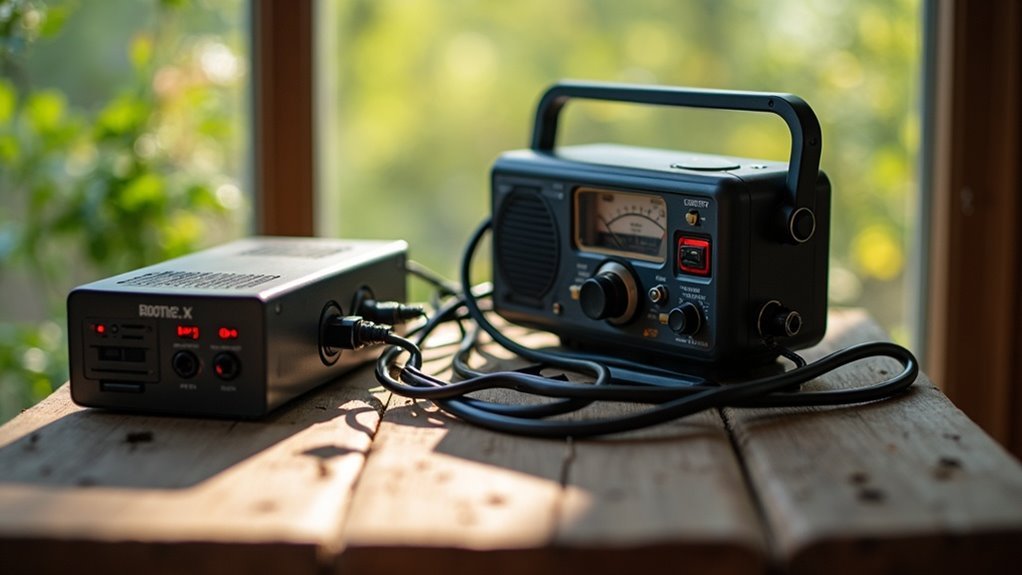
Power and lighting supplies are essential for maintaining visibility and communication; include durable flashlights with extra batteries, as well as a battery-powered or hand-crank radio to stay informed about weather updates and emergency alerts.
Lastly, a well-equipped first-aid kit is non-negotiable; ensure it contains essential medical supplies and any necessary prescription medications tailored to your family’s needs.
Make it a habit to regularly check and update your kit, ensuring it remains aligned with your preparedness strategy and capable of addressing your family’s specific requirements during winter emergencies.
Food and Water Supplies for Winter Preparedness
After ensuring your winter preparedness kit is equipped with essential warmth and shelter items, it’s crucial to turn your attention to food and water supplies.
Aim for a minimum three-day supply of non-perishable food items such as protein bars, canned goods, and dried fruit to sustain your energy levels during emergencies. Be sure to stock one gallon of water per person per day to meet hydration needs.
A reliable manual can opener is vital for accessing your canned goods in a survival situation. Regularly inspect and replace any expired items to keep your supplies fresh and ready for use.
Additionally, consider utilizing vacuum-sealed bags to extend the shelf life of your food, ensuring your kit is primed and prepared for any unforeseen circumstances when you need it most.
Warmth and Shelter Considerations
When preparing for winter in a survivalist context, selecting the right insulation materials and implementing effective weatherproofing techniques are crucial.
Ensuring your shelter can endure harsh conditions while maintaining warmth is vital for your survival.
Let’s delve into strategies for enhancing your space’s resilience against the cold, equipping you for any winter challenges ahead.
Insulation Materials Selection
Choosing the right insulation materials is crucial for ensuring warmth and shelter during winter months in survival situations. Consider options like fiberglass, foam board, and spray foam, which provide R-values ranging from 3.1 to 6.5 per inch for effective thermal resistance.
Reflective insulation, or radiant barriers, is invaluable for retaining heat in the winter while also reflecting heat away in summer months, ensuring you stay comfortable year-round.
Cellulose insulation, manufactured from recycled paper, offers excellent performance and is an eco-friendly choice for those prepping sustainably.
In moisture-prone areas, it’s wise to use closed-cell spray foam or certain types of mineral wool to prevent mold, which can compromise your health and safety.
Additionally, prioritize fire resistance with materials like mineral wool to ensure safety and compliance in your winter shelter, making it a reliable stronghold during challenging times.
Weatherproofing Techniques
To effectively weatherproof your shelter during winter, it’s crucial to employ survivalist techniques that minimize heat loss and safeguard against harsh conditions.
Begin by packing additional blankets, sleeping bags, and thermal blankets in your survival kit to retain body heat. Layer your clothing strategically, including hats, gloves, and thermal socks, to ensure comfort in extreme cold.
Consider incorporating a tent or heavy-duty plastic sheeting for unexpected shelter needs, enhancing your preparedness. Insulate windows and doors with foam boards or bubble wrap to trap warmth inside your shelter.
Finally, equip yourself with hand warmers for instant heat, which can be vital in preventing hypothermia during emergencies.
Stay vigilant and prepared this winter!
Power and Lighting Needs During Winter
As winter storms can lead to unexpected power outages, it’s crucial for preppers to equip their homes with reliable lighting and power sources.
Start by stocking multiple flashlights and extra batteries in your emergency kit, as power outages are a common occurrence during severe weather. A portable power bank or solar charger is essential for keeping devices charged and ensuring you stay informed.
Don’t overlook the importance of a battery-powered or hand-crank radio to receive vital updates on weather conditions. For safe lighting, consider incorporating LED candles or lanterns to minimize fire hazards.
Lastly, make it a habit to regularly check and replace batteries in all devices to ensure they’re functional when you need them most. Being prepared can make all the difference in a winter emergency.
First Aid and Medical Supplies for Cold Weather
Power outages during winter storms can pose significant risks as individuals navigate treacherous, icy conditions or engage in winter survival activities. To effectively prepare for these scenarios, it’s crucial to stock your first aid kit with essential supplies tailored for cold weather emergencies. Include items like adhesive bandages, antiseptic wipes, gauze pads, and medical tape for treating injuries sustained during outdoor activities.
Prepare your first aid kit for winter storms with essential supplies to address injuries and cold weather emergencies.
Additionally, maintain a comprehensive list of critical medical information, including allergies and emergency contacts, to ensure swift and effective care in case of emergencies. Don’t overlook the importance of including prescription medications such as asthma inhalers and insulin, which can be vital in survival situations.
Enhance your kit with a reliable thermometer, over-the-counter pain relievers, and cold compresses to efficiently manage symptoms and injuries. Consider adding specialized items like thermal blankets or hand warmers to address hypothermia risks.
Ensure your first aid kit is easily accessible, and conduct regular checks for expired supplies, especially after severe storms, to keep your preparedness at its peak.
Keeping Your Winter Kit Updated and Ready
While winter storms can strike unexpectedly, maintaining an updated and ready winter survival kit is crucial to ensure you’re prepared for any situation. Regularly check expiration dates on food and medications, replacing expired items to ensure safety and effectiveness. It’s essential to replace flashlight batteries every six months, particularly before the winter season. Tailor your kit according to family size and specific needs, adding warm clothing or specialized medical supplies as necessary. Conduct a thorough inventory twice a year to confirm all supplies are in optimal condition and ready for use.
| Item Type | Check Frequency | Notes |
|---|---|---|
| Food Supplies | Every 3 months | Replace expired items regularly |
| Medications | Every 6 months | Verify effectiveness and adjust as needed |
| Batteries | Every 6 months | Ensure functionality and replace as necessary |
| Clothing | Twice a year | Adjust for family needs and sizes |
| Emergency Gear | Twice a year | Inspect for damages and replace as needed |