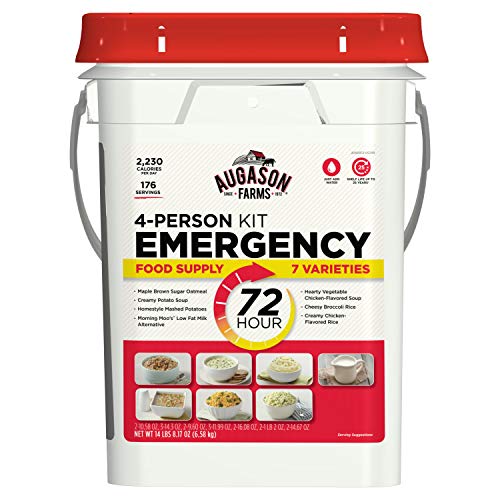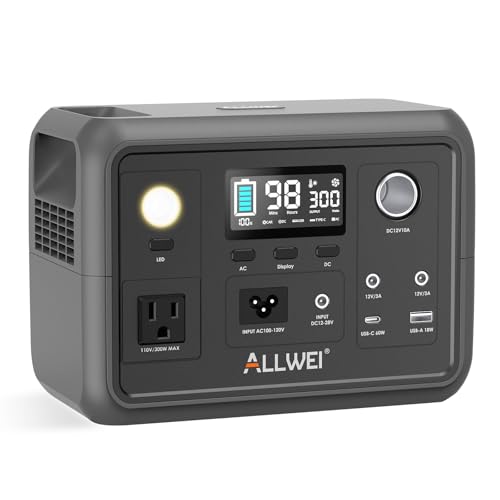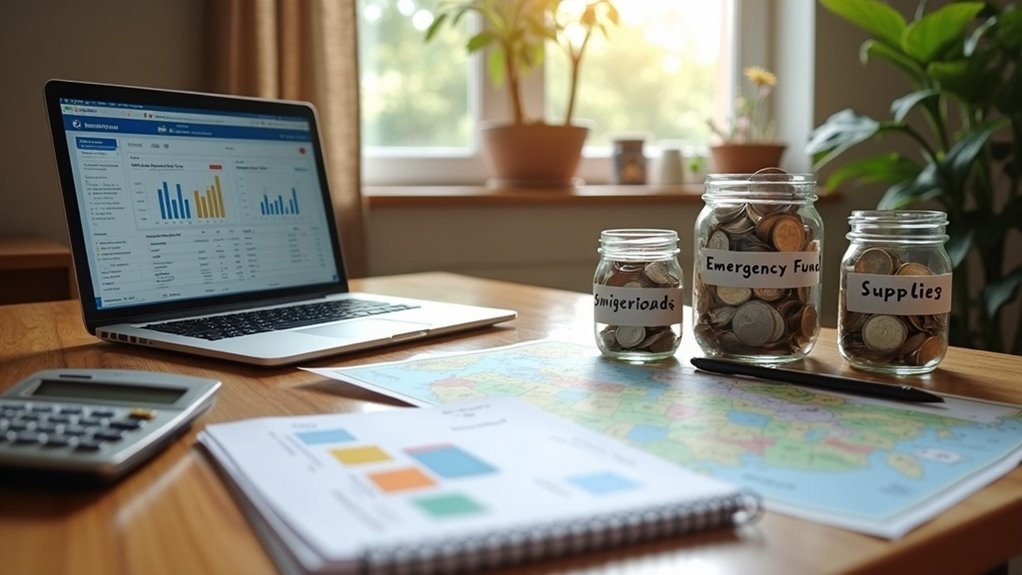
To budget effectively for preparedness, begin by assessing your financial situation and designating a specific amount each month for essential survival supplies. Prioritize acquiring critical items for your go bag, such as water, non-perishable food, and first aid kits, aiming to purchase one vital item each week. Utilize discounts, coupons, and second-hand gear to maximize your budget and ensure you have the necessary equipment without overspending. Regularly review and maintain your supplies to ensure your readiness for any situation. Continue to explore effective strategies for creating a comprehensive emergency budget that aligns with your survivalist goals.
Key Takeaways
- Assess your monthly income and expenses to create a practical budget specifically for survival and preparedness supplies.
- Designate specific amounts for essential categories like water, food storage, first-aid supplies, survival tools, and miscellaneous preparedness items within your budget.
- Regularly evaluate and adjust your budget to maintain financial stability while accommodating evolving preparedness needs and potential threats.
- Utilize discounts, coupons, and bulk purchasing to maximize your preparedness budget and ensure you have sufficient resources for emergencies.
- Conduct thorough inventory assessments every six months to replace expired items and recalibrate your budget based on current survival priorities.
Understanding the Importance of Emergency Go Bags
Emergency go bags are an essential component of survival preparedness, yet recent surveys indicate that only about half of Americans have taken the necessary steps to assemble or update theirs.
Understanding the significance of these bags is crucial for effective crisis readiness. When preparing your go bag, prioritize key survival supplies, including at least one gallon of water per person per day for a minimum of three days, along with non-perishable food items such as granola bars or tuna pouches.
It’s vital to regularly check and refresh your go bag to ensure it remains fully stocked and ready for action in unexpected emergencies, bolstering your overall preparedness in any situation.
Identifying Essential Items for Your Go Bag
When preparing your go bag, prioritize essential survival items that will sustain you during emergencies.
Tailor your selections to meet your unique needs, ensuring you pack crucial supplies such as water, non-perishable food, and comprehensive first-aid kits.
Adopting a strategic approach to your preparedness will significantly enhance your readiness for a variety of survival scenarios, making you self-sufficient in times of crisis.
Must-Have Supplies
A well-equipped go bag is essential for effective preparedness in survival situations, so identifying must-have supplies is imperative.
Start with a durable bag; consider repurposing an old duffel or tote to keep costs down while ensuring reliability.
Pack at least 1 gallon of water per person for three days, as staying hydrated is crucial for survival.
Include lightweight, calorie-dense food options such as granola bars, freeze-dried meals, and tuna pouches to sustain energy levels during emergencies.
Don’t overlook basic first-aid supplies—bandages, antiseptic wipes, and any necessary medications are critical for treating injuries and maintaining health.
Finally, keep a list of important phone numbers, emergency contacts, and evacuation routes in your go bag to ensure you’re prepared for any situation while addressing specific needs.
Personalization for Needs
To ensure your go bag is fully equipped for your survival needs, begin by assessing the essential items tailored to your unique situation. Understanding what’s critical for your preparedness is key.
Consider including:
- A minimum of 1 gallon of water per person per day for at least three days to stay hydrated in emergencies.
- Lightweight, calorie-dense food options such as energy bars or freeze-dried meals to sustain energy levels without taking up much space.
- Personal items like prescription medications and comfort items that cater to your mental well-being during stressful situations.
Don’t overlook the importance of a well-stocked first-aid kit and essential hygiene supplies to maintain health and sanitation.
Regularly inspect your go bag to ensure all items remain pertinent, particularly food supplies that may have expiration dates.
Customize your essentials to reflect your unique circumstances, and you’ll be well-prepared for any emergency that arises.
Cost-Effective Strategies for Building Your Go Bag
To build your go bag effectively for survival situations, focus on acquiring essential supplies that are critical during emergencies.
Implementing a gradual assembly approach allows you to spread out expenses over time, making it more feasible on your budget.
Furthermore, leverage existing resources and gear you already have at home to cut down on costs, ensuring you’re well-prepared for any scenario without breaking the bank.
Prioritize Essential Supplies
Building a well-stocked go bag is crucial for any survivalist or prepper, and requires a strategic approach to prioritizing essential supplies.
Focus on these key items to ensure you’re prepared for any emergency without overspending:
- Water: Store at least 1 gallon per person per day for three days to ensure proper hydration during a crisis.
- Calorie-dense food: Opt for lightweight, nutritious options such as granola bars, freeze-dried meals, and tuna pouches. Purchase these gradually to build your stockpile without straining your budget.
- Personal first-aid kit: Create a custom first-aid kit by assembling individual supplies. This approach saves money while ensuring you have all the necessary medical items tailored to your needs.
Regularly check and update your go bag’s contents to maintain their effectiveness and usability.
This will enhance your preparedness and help you manage costs effectively, ensuring you’re ready for any situation that may arise.
Gradual Assembly Approach
When it comes to assembling your go bag for survival and prepping, a gradual approach can help you manage costs while ensuring you gather the necessary supplies.
Start by purchasing one or two essential items each month to build your stockpile effectively. For food, opt for calorie-dense options like granola bars and tuna pouches in smaller quantities, ensuring you have enough sustenance for emergencies.
Instead of buying a premade first-aid kit, customize your own to save money and better cater to your specific needs. Check your home for emergency supplies, as you may already have useful items on hand, and consider shopping for used gear online to further stretch your budget.
Regularly update your go bag’s contents to keep food and medications current, avoiding the hefty expense of replacing everything at once and ensuring you’re always prepared for any situation that may arise.
Utilize Existing Resources
While the costs of preparing a go bag can seem daunting, leveraging your existing resources can significantly reduce financial strain.
Start by thoroughly searching your home for supplies. Here are some practical strategies:
- Collect old duffel bags, flashlights from forgotten drawers, or multi-tools from your garage to serve as essential tools for your go bag.
- Opt for a gradual approach to purchasing food items, such as granola bars and tuna pouches, allowing you to spread expenses over time without breaking the bank.
- Create a personal first-aid kit using items you already possess, like band-aids and antiseptic wipes, ensuring you have the basic medical supplies on hand for emergencies.
Gradual Purchasing: Breaking Down Expenses
Gradual purchasing offers a strategic approach to budgeting for emergency preparedness and survivalism by allowing you to spread expenses over time.
By breaking down costs into smaller, manageable chunks, you can avoid feeling overwhelmed when assembling your go bag. Start by acquiring one essential survival item each week, such as a gallon of water, a pack of granola bars, or a reliable multi-tool.
This method builds your supplies without straining your budget. Prioritizing essential items ensures that your preparedness kit remains functional and ready for any situation while minimizing upfront investment.
Each small purchase contributes to a well-stocked emergency supply, making the process both practical and financially sustainable for your survival needs.
Utilizing Discounts and Used Items
Building your emergency preparedness kit doesn’t have to strain your resources. By leveraging discounts and sourcing used items, you can effectively manage costs while ensuring you’re well-equipped for any situation.
Consider these strategies:
- Scour discount bins or clearance sections for essential survival supplies.
- Explore online marketplaces for pre-owned gear like flashlights, multi-tools, and other critical equipment.
- Visit thrift stores or garage sales to uncover valuable items at bargain prices.
Additionally, take advantage of coupons or cashback offers to stretch your budget even further.
Regular Maintenance and Inventory Checks
To ensure your emergency preparedness kit is always ready for any situation, regular maintenance and inventory checks are crucial.
Every six months, replace food supplies to ensure their freshness and check expiration dates. Conduct thorough inventory assessments at least twice a year to confirm that you have all essential items, such as water, first-aid supplies, and hygiene products.
Regularly update your emergency kit every six months by replacing food supplies and checking essential items for freshness and expiration dates.
Maintain a detailed checklist, updating it whenever you add or remove items, to streamline future maintenance. After any significant life changes, review your kit to adapt to new personal needs and circumstances.
Setting calendar reminders can help you develop this vital habit, making your preparedness efforts less overwhelming and more manageable amidst your busy lifestyle.
Planning for Different Emergencies
After ensuring your emergency preparedness kit is well-maintained, it’s crucial to develop a comprehensive plan for various emergencies that could impact your survival.
Start by assessing the specific threats your region faces, such as:
- Natural disasters (earthquakes, floods, hurricanes)
- Extended power outages
- Medical emergencies or injuries
Allocate funds strategically for essential survival items, prioritizing critical supplies like potable water, non-perishable food, and well-stocked first-aid kits.
Remember, FEMA advises maintaining at least one gallon of water per person per day for a minimum of three days.
Regularly review and update your emergency plan and supplies, as statistics show that only half of Americans are adequately prepared.
Additionally, factor in ongoing costs for maintaining your go bag and replacing expired items to ensure you’re always ready for any situation.
Creating a Personal Emergency Budget
When you take a close look at your finances, it becomes clear how much you can realistically allocate each month for emergency preparedness without stretching your budget too thin. Prioritize essential items for your go bag and consider breaking larger purchases into smaller chunks to build your survival kit efficiently.
| Expense Category | Monthly Budget |
|---|---|
| Water & Food | $20 |
| First-Aid Supplies | $15 |
| Tools & Equipment | $10 |
| Repurposed Items | $5 |
| Miscellaneous | $10 |
Regularly review and adjust your budget to ensure that you’re fully prepared for any situation while maintaining financial stability. Remember, being ready for emergencies is a key part of survivalism, so every dollar you invest is a step towards greater self-reliance and resilience.