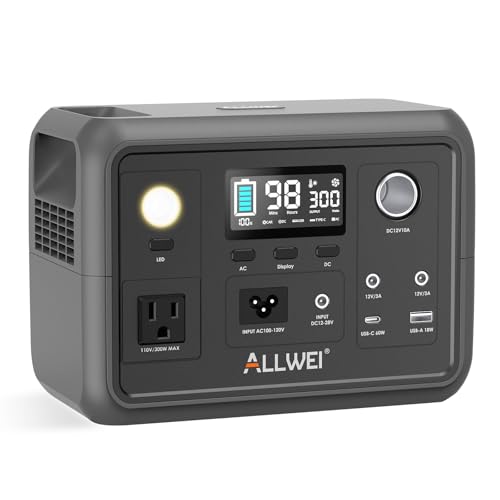
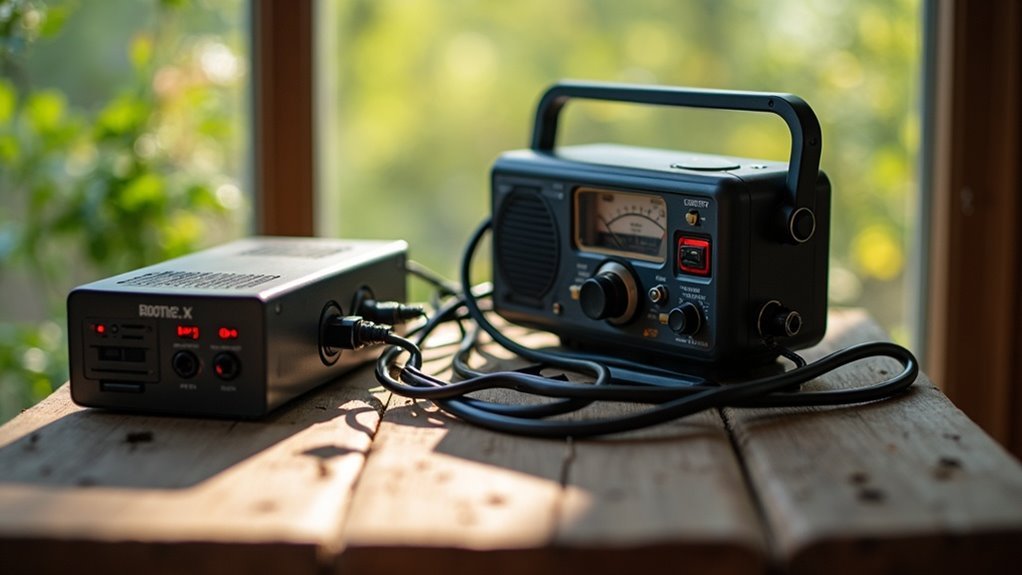
To effectively adapt your emergency kits for earthquake zones, prioritize supplies specifically designed for seismic events. Ensure you have a three-day supply of non-perishable food and water, targeting one gallon per person per day to stay hydrated. Equip your kit with heavy-duty gloves, a manual can opener, and essential tools for debris removal, such as shovels and pry bars, to navigate post-quake environments. Incorporate a battery-powered radio and signaling devices to maintain communication with others during emergencies. Regularly inspect your supplies and refresh items like first aid kits and necessary medications to ensure readiness. Stay informed on best practices for customizing your kits for various survival situations.
Key Takeaways
- Customize your emergency kits with a minimum three-day supply of non-perishable food and at least 12 gallons of water for each family member to ensure sustenance during extended emergencies.
- Maintain a robust first aid kit stocked with essential medical supplies, along with tools for debris removal such as shovels, crowbars, and safety goggles to aid in navigating post-earthquake environments.
- Equip your kits with high-quality, durable flashlights, heavy-duty duct tape, and a fire extinguisher to mitigate risks and enhance safety following an earthquake.
- Include reliable communication devices like a battery-powered AM-FM radio and emergency signaling tools to facilitate effective communication during crises when traditional systems may fail.
- Conduct regular family drills to practice using the kit and reinforce emergency communication plans, ensuring that all members are familiar with the procedures and equipment for optimal preparedness in the face of disaster.
Understanding the Unique Needs of Earthquake Preparedness
When preparing for an earthquake, it’s essential to recognize the unique challenges that come with such natural disasters.
Survivalism and prepping necessitate the customization of your emergency kits to ensure you’re ready for the unexpected. Aim for a minimum three-day supply of non-perishable food and water, with the guideline of one gallon of water per person per day.
Your first aid kit should be comprehensive, including adhesive bandages, antiseptic wipes, and a detailed list of family medical histories to address any specific health needs.
Equip yourself with vital tools for earthquake safety, such as high-quality flashlights, durable duct tape, and a reliable fire extinguisher.
Don’t overlook the importance of regularly maintaining your survival kits every six months to ensure all items are functional and effective when you need them most.
Stay vigilant, prepared, and informed!
Essential Supplies for Extended Shelter Situations
In an extended shelter situation following an earthquake, prioritizing sufficient water and food is crucial for survival.
Prepare to store at least three days’ worth of supplies, ensuring you have one gallon of water per person each day, along with a variety of non-perishable food items to sustain your nutritional needs.
Additionally, equip yourself with essential medical and safety supplies, including a well-stocked first aid kit and necessary tools.
Being adequately prepared for emergencies is a fundamental aspect of survivalism and prepping, ensuring you can effectively navigate any challenges that arise.
Water and Food Storage
To ensure your readiness for prolonged shelter situations following an earthquake, it’s essential to strategically store sufficient water and food. Aim for at least one gallon of water per person per day for at least three days, and strive to have a week’s supply for every member of your household.
Incorporate a diverse selection of non-perishable food items in your emergency kit, such as canned meats, fruits, and high-calorie snacks to sustain energy during challenging times. Make it a habit to refresh your supplies every six months to avoid spoilage.
Invest in durable, leak-resistant containers like the Reliance Aqua-Tainer for your water storage, and don’t overlook the importance of a manual can opener for accessing canned goods during power outages.
Preparedness is key in survivalism; take these steps seriously to enhance your chances of thriving in an emergency.
Medical and Safety Supplies
After ensuring you have a sufficient stockpile of water and food, it’s time to turn your attention to medical and safety gear that can be pivotal during prolonged shelter-in-place scenarios.
Your emergency earthquake kit should encompass a comprehensive first aid kit with at least 298 essential items, including adhesive bandages, gauze, antiseptic wipes, and other critical medical supplies. A fire extinguisher is also a must-have to bolster your safety measures.
Store all medical supplies in a waterproof container and routinely check for expired items to maintain readiness. Additionally, include a detailed list of family medical histories and medications, as this information is vital for responders in case of an emergency.
Tools for Debris Removal and Emergency Repairs
When assembling your earthquake preparedness kit, prioritize essential tools for debris removal and emergency repairs.
Equip yourself with heavy-duty gear such as shovels, axes, and crowbars to effectively clear pathways and assist those in distress.
Remember to include safety gear, such as durable work gloves, to safeguard yourself while undertaking these vital tasks.
Being well-prepared is crucial for survival in the aftermath of an earthquake.
Essential Tools Overview
Having the right tools readily available is crucial for effectively managing debris removal and emergency repairs following an earthquake.
Essential survival tools include sturdy work gloves, a shovel, and a pry bar to help move large objects and clear pathways. A handsaw or utility knife is vital for cutting damaged materials, facilitating repairs, and aiding rescue efforts.
Consider packing a heavy-duty tarp for temporary shelter or covering broken windows while you work. Don’t forget water purification tablets or a filtration system to ensure you have access to clean drinking water, along with duct tape for quick fixes on leaks or damaged structures.
Being prepared with these tools can significantly enhance your resilience in the face of disaster.
Recommended Equipment Types
To effectively manage the aftermath of an earthquake, it’s essential to equip yourself with the right survival tools for debris removal and emergency repairs.
Include sturdy shovels, axes, and crowbars in your survival kit to clear pathways and assist those in need. A multi-tool or Swiss Army knife is crucial for various repairs, while duct tape provides quick fixes for surfaces and clothing.
Don’t overlook a fire extinguisher to tackle potential fire hazards from gas leaks or electrical issues. Additionally, work gloves are vital for protecting your hands while handling debris or making urgent repairs.
Always prioritize safety and preparedness in your emergency planning.
Safety Gear Considerations
While preparing for potential debris removal and emergency repairs after an earthquake, including the right safety gear in your survival kit is essential. Sturdy gloves and a dust mask are crucial to protect your hands and lungs from hazardous debris.
A fire extinguisher is a vital item, addressing risks from damaged electrical lines or gas leaks that can arise in the aftermath of a disaster. Always have a well-stocked first aid kit on hand for any injuries you may encounter during recovery efforts.
An indispensable tool like a multi-tool or knife is invaluable for executing quick repairs and addressing various needs. Additionally, pack a lightweight shovel for effective debris clearance, along with a water-resistant tarp to cover damaged areas and prevent further water intrusion until you can conduct permanent repairs.
The right preparation can make all the difference in surviving and thriving after an emergency.
Customizing Your First Aid Kit for Earthquake Injuries
When an earthquake strikes, injuries can occur unexpectedly, making it crucial for survivalists and preppers to customize their first aid kits to address specific needs.
Include a variety of adhesive bandages, butterfly closures, and gauze for treating cuts and scrapes that are commonly sustained during earthquakes. Antiseptic wipes and ointments are essential for preventing infections amidst debris, ensuring that you can manage wounds effectively in a survival situation.
A thermometer is also important to monitor for fever, which can indicate health issues that may arise post-earthquake. Be sure to keep a list of your loved ones’ medical histories and current medications for quick reference during emergencies.
Regularly check and replenish your kit, ensuring all supplies are easily accessible for effective earthquake survival and preparedness, allowing you to respond swiftly and efficiently when disaster strikes.
Communication Devices and Emergency Signaling
In the unpredictable aftermath of an earthquake, having dependable communication devices and emergency signaling tools is crucial for survival. Power outages can disrupt your access to vital information, making it imperative to equip your earthquake kit with the following items:
- Battery-Powered AM-FM Radio: A reliable device like the Midland ER310 ensures you stay updated on crucial emergency alerts and local updates, even when the power is out.
- Emergency Signaling Whistle: A high-quality whistle, such as the Shoreline Marine, can be a lifesaver, allowing you to signal for help if you find yourself trapped or in need of rescue.
- USB Battery Pack: Maintain the charge on your communication devices with a portable charger like the Belkin BoostCharge Plus 10K, ensuring you can reach out for help when you need it most.
Additionally, it’s essential to establish a comprehensive communication plan that outlines how you and your family will reconnect in the event local systems fail.
This proactive approach is key in emergency preparedness and survivalism.
Food and Water Storage Strategies for Earthquake Zones
After securing reliable communication tools, the next critical step in your preparedness plan is to implement effective food and water storage strategies specifically designed for earthquake zones.
Aim to store at least one gallon of water per person per day for a minimum of three days, which means a total of 12 gallons for a family of four.
Prioritize non-perishable food items such as canned goods, granola bars, and dried fruits, ensuring you have a sufficient three-day supply on hand.
Utilize durable, portable containers to efficiently organize your supplies, allowing for quick access in the event of an emergency.
Regularly check and refresh your food and water stock every six months to maintain freshness, and be mindful of any dietary restrictions, including provisions for your pets, to ensure that everyone’s needs are met in a crisis.
Being well-prepared can make all the difference in your survival during unexpected situations.
Regular Maintenance and Updates for Your Emergency Kit
To ensure your emergency kit remains a robust resource for survival situations, it’s vital to conduct regular maintenance and updates. Adhere to the following steps every six months:
- Assess Food and Water Supplies: Verify that all provisions are fresh and safe for consumption. Discard any expired items and consider rotating in new supplies to maintain a sustainable stock.
- Examine Your First Aid Kit: Replace any expired items and replenish any used supplies to ensure you’re prepared for injuries and medical emergencies.
- Test Tools and Equipment: Check that your flashlights, radios, and fire extinguishers are in optimal working condition. Make sure to replace batteries and verify that all equipment is functional.
Additionally, review and update emergency contact information regularly.
Conduct family drills to ensure that everyone is familiar with the emergency kit and knows how to utilize its contents effectively in a crisis.
Preparing and maintaining your emergency kit is a crucial step in being ready for any situation that may arise.