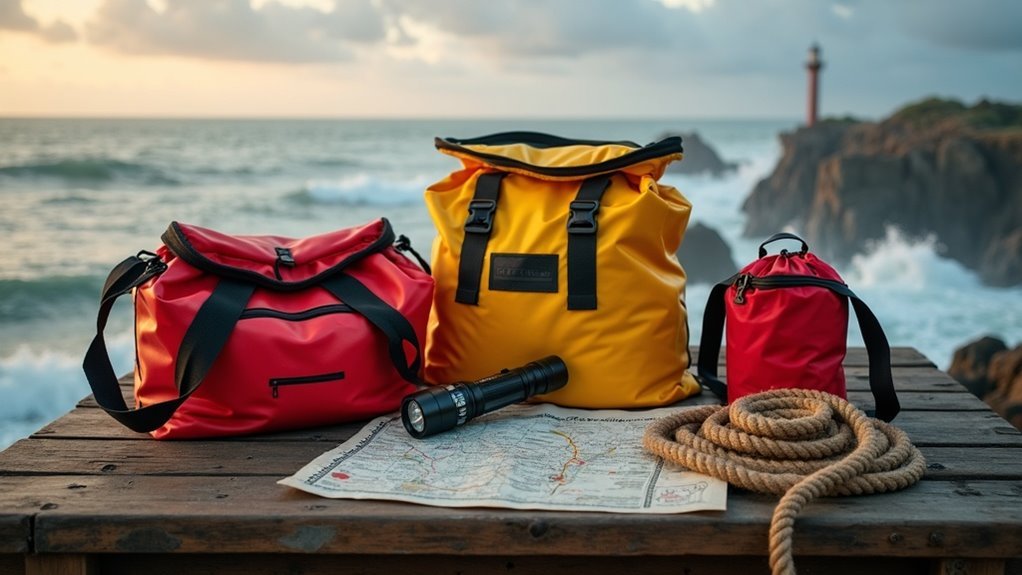
To effectively adapt your emergency kits for coastal storms, it’s crucial to assess the unique challenges posed by flooding and storm surges. Begin by packing non-perishable food and ensure you have at least one gallon of water per person per day. Utilize waterproof containers to safeguard essential documents from water damage. Equip your kit with vital gear such as sandbags, tarps, and personal safety items to enhance your preparedness. Stay informed by including battery-operated radios and printed evacuation maps. By taking these steps, you can ensure your safety and facilitate a more effective recovery. Remember, thorough preparation and community engagement are key components of successful survivalism in the face of coastal storms.
Key Takeaways
- Include additional water supplies, aiming for at least one gallon per person per day, to account for flooding and extended evacuations. It’s crucial for survival in any survivalist scenario.
- Pack non-perishable, calorie-dense food items in waterproof containers to ensure they remain safe and edible during storms; think energy bars, canned goods, and freeze-dried meals that sustain you through tough times.
- Add personal safety gear such as sturdy gloves and waterproof boots, essential for effective cleanup and recovery efforts post-storm, ensuring you can handle debris and hazardous materials safely.
- Equip your kit with a NOAA Weather Radio for real-time storm updates, along with a printed evacuation map to identify clear routes in case of emergency, enhancing your preparedness.
- Store vital documents and electronics in waterproof containers and create digital backups, allowing for quick access to critical information during emergencies, a key aspect of effective prepping.
Assessing Unique Challenges of Coastal Storms
As coastal storms become more frequent and intense, understanding the unique challenges they present is essential for survival and preparedness.
High winds and heavy rainfall can lead to severe flooding, particularly in low-lying areas. With limited evacuation routes, congestion can delay your escape during storm surges.
It’s critical to recognize that storm surges can elevate water levels considerably, posing significant threats to life and property.
To mitigate these risks, ensure your emergency kit includes essentials such as sandbags, waterproof storage containers, and reliable communication devices.
Tailoring your preparedness kit to address these specific challenges can greatly enhance your resilience against coastal storms, allowing you to navigate these situations with confidence and ensure the safety of yourself and your loved ones.
Essential Supplies for Coastal Storm Preparedness
Preparing for coastal storms requires a strategic approach to ensure you have the right supplies to endure the challenging conditions these storms bring. Your emergency plan should prioritize a Survival Kit filled with non-perishable, calorie-dense food items to sustain you and your family.
Utilize waterproof storage containers for food and water to protect your supplies from the elements. Key gear like sandbags and tarps can effectively block rising water and provide temporary repairs to your property.
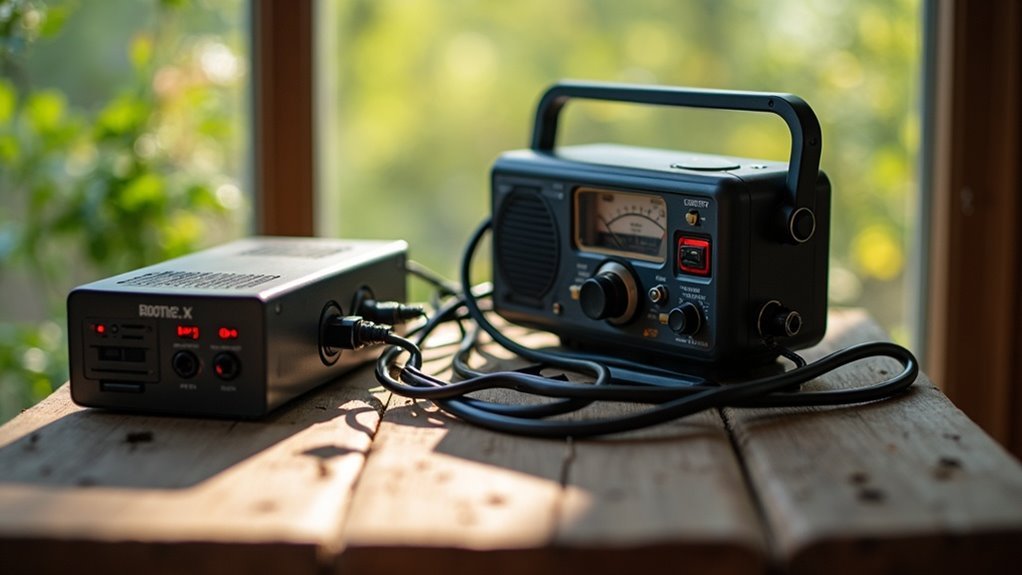
In addition, equip yourself with a battery-operated or hand-crank weather radio to stay informed with real-time updates on storm conditions. Personal safety gear is crucial; sturdy work gloves and waterproof boots are essential for navigating through debris and floodwaters during cleanup and recovery efforts.
Being well-prepared means you can face any challenge that comes your way. Embrace the survivalist mindset and ensure you’re ready for whatever nature throws at you.
Waterproofing Your Emergency Kit
To effectively waterproof your emergency kit, it’s essential to utilize waterproof containers for storage, particularly for vital documents and electronics.
Ensure food supplies are sealed in airtight, waterproof bags to preserve their safety and quality during severe weather events.
Regularly inspect your kit to replace any compromised items, ensuring your preparedness for coastal emergencies and enhancing your overall survival strategy.
Waterproof Containers for Storage
Waterproof containers are an essential element of your survival and prepping strategy, particularly when preparing for the potential dangers of coastal storms. They safeguard crucial supplies such as food, gear, and electronics from flood damage, ensuring that everything remains dry and functional after a disaster.
Seek out containers with airtight seals or constructed from robust, heavy-duty plastic to endure extreme conditions. For smaller items, utilize waterproof bags that can be conveniently stored within larger containers for additional security.
Stackable waterproof bins can maximize your storage efficiency and facilitate easier transport during evacuations. It’s important to regularly inspect seals and closures to ensure their continued effectiveness against water infiltration over time.
Protecting Important Documents
Safeguarding your crucial documents is just as essential as preparing your physical supplies when gearing up for coastal storms. Start by utilizing waterproof bags or containers to protect vital items such as identification, insurance policies, and medical records, ensuring they remain safe from water damage.
A waterproof safe is an intelligent investment for easy transport during evacuations. Make it a habit to regularly update these documents and store them in a single, accessible location within your emergency kit.
Additionally, create digital backups saved in secure cloud services so you can access them even if physical copies are lost. Don’t overlook the importance of including a comprehensive list of critical phone numbers and emergency contacts for quick reference during a crisis.
Being prepared with your documents can make all the difference in a survival situation.
Sealing Food Supplies Securely
As coastal storms can lead to severe flooding, securing your food supplies is crucial for ensuring they remain safe and edible during emergencies.
Utilize airtight, waterproof containers for your non-perishable food items and water to effectively prevent moisture contamination. Vacuum-sealing your supplies not only extends their shelf life but also provides protection against pests, a key consideration for survivalists.
For long-term storage, mylar bags equipped with oxygen absorbers are highly recommended as they block both moisture and air, preserving your food for extended periods.
Be diligent in labeling all containers with expiration dates and contents to facilitate easy access during critical situations. Regularly check and rotate your food supplies to maintain freshness, particularly if you reside in hurricane-prone areas where preparedness is essential.
Additionally, remember that waterproof boots are vital for safely maneuvering through flooded conditions, ensuring you can access your supplies when necessary.
Prepare now to stay safe and sustain yourself during any crisis.
Additional Items for Evacuation and Recovery
When preparing for evacuation and recovery from coastal storms, it’s crucial to include essential supplies that ensure your survival and well-being.
Consider adding tools and gear that enhance communication and navigation, as well as items that support food preparation and injury management.
Including self-defense items and portable power sources can also be beneficial.
With these strategic additions, you can significantly boost your preparedness for both the immediate aftermath and the long-term recovery phase.
Always stay vigilant and ready for any situation that may arise.
Essential Evacuation Supplies
Having the right essential evacuation supplies is crucial for ensuring your survival and well-being during coastal storms.
For effective hurricane preparedness, pack at least one gallon of water per person per day for three days, along with a stockpile of non-perishable food items.
Safeguard critical documents in waterproof bags to prevent water damage and ensure they’re easily accessible in an emergency.
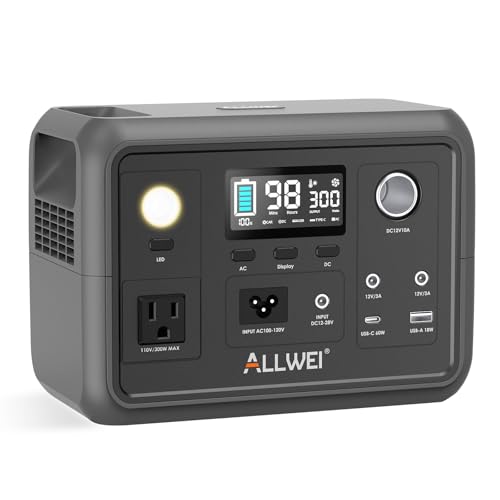
Include a portable power bank and spare phone chargers to maintain communication during potential power outages; staying connected is vital for survival.
A robust multi-tool or knife is essential for food preparation and repairs, while a battery-operated or hand-crank radio is necessary to keep you informed about the situation.
Additionally, don’t overlook basic first aid supplies and emergency blankets for warmth and medical needs.
Being well-prepared can make all the difference when facing the challenges of a disaster.
Recovery Tools and Gear
Equipping yourself with essential recovery tools and gear is vital for navigating the aftermath of a coastal storm. Being prepared with the right items can significantly enhance your recovery efforts.
Consider including the following survival gear:
- Tarps and duct tape for temporary repairs to protect your shelter.
- A portable stove or grill to ensure you can cook hot meals, even in power outages.
- Heavy-duty trash bags for debris cleanup and rain protection, essential for maintaining hygiene.
- Local maps to aid navigation when technology fails during power outages.
- Comprehensive first aid supplies to address injuries effectively.
Additionally, a weather radio is crucial for staying informed about changing conditions and alerts.
These recovery tools are fundamental for a safe and efficient recovery process, ensuring you’re equipped to handle the challenges that come your way.
Communication and Navigation Devices
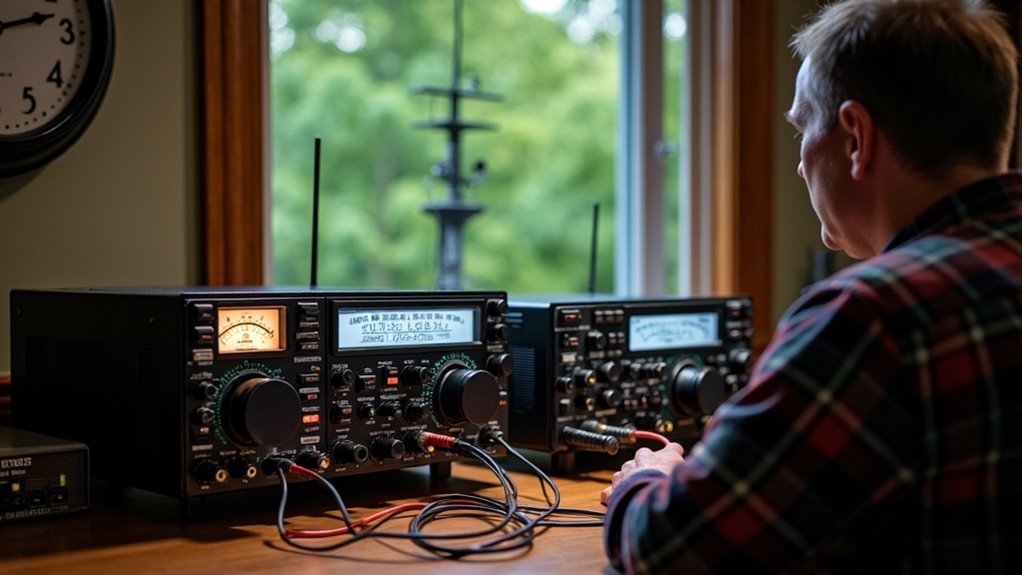
Effective communication and navigation devices are essential for survival during coastal storms, as they enable you to stay informed and connected amidst the chaos. Equip yourself with crucial tools such as a NOAA weather radio for real-time updates, a printed evacuation map to outline planned routes, and a ham radio for dependable communication when conventional networks fail. Additionally, satellite phones can be invaluable for coordinating evacuations and maintaining contact with loved ones. A flood detector is also a wise investment, as it alerts you to rising water levels, allowing you to take proactive measures to protect yourself and your family.
| Device | Purpose |
|---|---|
| NOAA Weather Radio | Real-time weather updates |
| Printed Evacuation Map | Clear evacuation routes |
| Ham Radio | Emergency communication |
| Flood Detector | Alerts for rising water levels |
Maintaining Comfort and Safety During a Storm
When a coastal storm approaches, ensuring your comfort and safety is crucial for effective survival and preparedness.
As a coastal storm approaches, prioritizing comfort and safety is vital for successful survival and preparedness.
Here are essential items to include in your hurricane survival kit:
- Portable power banks to keep your communication devices operational during power outages
- Emergency blankets to provide warmth during evacuations or in the aftermath of the storm
- Battery-operated or hand-crank radios for receiving critical weather updates and emergency information
- A whistle to signal for assistance if you find yourself trapped or in need of help
- Waterproof bags to safeguard important documents from potential flooding
Staying Informed and Engaged in Community Preparedness
Staying informed and engaged in community preparedness is crucial for enhancing resilience against coastal storms, especially for survivalists and preppers. Keep a close watch on local weather forecasts and emergency notifications, as the NOAA averages 11-17 named storms annually in the Atlantic Basin.
Attend local emergency management meetings to gain insight into specific risks and resources available in your area; this knowledge fosters a culture of shared responsibility and preparedness. Utilize social media to follow emergency management accounts for real-time alerts and updates that can aid in your survival planning.
Additionally, consider forming or joining neighborhood preparedness groups to exchange resources, skills, and strategies, ensuring that your community is well-equipped with a solid plan to respond effectively when storms threaten.
Preparedness is a collective effort, and being proactive can make all the difference when facing natural disasters.