During a fast evacuation, it is crucial to act swiftly and efficiently. Start by securing essential documents, such as IDs, financial records, and any important survival plans. Next, prioritize necessary medications and a well-stocked first aid kit, as health is paramount in crisis situations. Focus on gathering non-perishable food and water, as these supplies are vital for sustaining your energy and hydration. Don’t overlook your pets; ensure you have their food, water, and comfort items ready to go. Lastly, equip yourself with a fully charged phone and a portable charger to maintain communication. Keeping a strategic inventory of your supplies and gear can greatly enhance your readiness and streamline the evacuation process when every second counts. Remember, preparedness goes beyond this list—stay vigilant and adaptable to whatever challenges may arise.
Key Takeaways
- Prioritize survival essentials: ensure access to water, non-perishable food, and necessary medications for every family member and pet.
- Secure vital documents such as identification, financial records, and medical information in a waterproof container for quick retrieval.
- Safeguard irreplaceable items, including family heirlooms and critical documents, to maintain your legacy and peace of mind during emergencies.
- Prepare a dedicated go-bag for pets, including their food, water, medications, and comfort items, to support their health and well-being during evacuation.
- Regularly evaluate and refresh your emergency kit to ensure all supplies are effective, relevant, and ready for immediate use in a crisis.
Assessing Immediate Needs
When faced with a rapid evacuation, it’s crucial to swiftly assess your immediate needs to ensure your survival and well-being.
In emergencies, quickly evaluate your needs to secure your safety and well-being.
Begin by grabbing your pre-packed emergency bag, which should include at least 3 gallons of water per person per day and a sufficient supply of non-perishable food.
Don’t overlook essential prescription medications for all family members and pets. Keep a portable radio for receiving real-time updates and ensure your mobile devices are fully charged for communication.
Lastly, prioritize irreplaceable family keepsakes and important financial documents.
By concentrating on these essential items, you’ll significantly improve your chances of navigating through an emergency situation effectively and safely.
Stay prepared, stay safe!
Essential Documents to Collect
When preparing for a quick evacuation, prioritize collecting essential identification and financial documents, such as your driver’s license and insurance policies.
These items are crucial for verifying your identity and facilitating claims after a disaster.
Additionally, don’t forget to gather your medical records, as they ensure you have access to necessary healthcare during and after the emergency.
Being well-prepared with these documents can significantly enhance your chances of survival in challenging situations.
Identification and Financial Records
As you prepare for a swift evacuation during a crisis, gathering essential identification and financial records is critical for your survival and stability.
Focus on collecting vital personal identification documents such as driver’s licenses, passports, and social security cards; these are crucial for proving your identity and accessing necessary resources.
Additionally, gather financial records including credit cards, small cash denominations, and insurance documents, as they’re essential for managing expenses and filing claims after a disaster strikes.
Store these important documents in a waterproof container to keep them organized and easily accessible when you need them most.
Make it a habit to regularly update your inventory of important documents to ensure everything is current and ready for retrieval in an emergency situation.
Medical and Insurance Documents
Following the collection of identification and financial records, gathering medical and insurance documents is essential for ensuring your preparedness during an evacuation.
Here’s what to prioritize:
- Health records – Ensure continuity of care and access to medical history.
- Prescriptions – Pack any necessary medications to sustain your health.
- Vaccination records – Helpful for medical services and emergency situations.
- Insurance documents – Include policies and contact information for claims to safeguard against financial loss.
Store these critical medical documents in a waterproof, portable container to protect them from water damage and ensure they remain accessible in any situation.
Regularly update this collection to reflect any changes in personal information or insurance coverage, so you’re always ready for quick access when time is of the essence.
Being prepared is key to survival.
Medical Supplies and Medications
During a fast evacuation, prioritizing medical supplies and medications is crucial for your family’s survival and well-being. Start by gathering prescription medications for all family members and pets, ensuring you have enough for at least a week. Include a comprehensive first aid kit stocked with essentials like bandages, antiseptics, and any specific items that cater to your family’s unique needs. Remember to pack essential medical equipment, and keep an updated list of health conditions and medications for each individual. Store all these vital items in a readily accessible grab-and-go bag to ensure you can evacuate swiftly and efficiently.
| Essential Item | Importance |
|---|---|
| Prescription Medications | Prevents health emergencies |
| First Aid Kit | Treats injuries promptly |
| Medical Equipment | Ensures ongoing care |
| Health Condition List | Facilitates effective medical assistance |
| Over-the-Counter Meds | Addresses common ailments |
Food and Water Considerations
Packing adequate food and water is just as essential as securing medical supplies when preparing for potential emergencies.
Packing sufficient food and water is crucial for any emergency preparation, alongside securing necessary medical supplies.
To ensure you meet your food and water considerations, follow these survivalist guidelines:
- Pack at least 3 gallons of water per person, per day to ensure proper hydration.
- Opt for non-perishable, ready-to-eat foods like granola bars, freeze-dried meals, or canned goods that provide energy and nourishment.
- Take into account the dietary needs of all family members, including any specific foods and medications that may be required.
- Choose lightweight, easy-to-carry items to facilitate a swift and efficient evacuation.
Regularly check and refresh your supplies to maintain safety and effectiveness.
Being well-prepared can make all the difference in a survival situation.
Packing for Pets
When preparing for a fast evacuation, it’s crucial to account for your pets’ needs, as they rely on you for their safety and comfort.
Start by assembling a comprehensive go-bag for your pets that includes three days’ worth of food, water, and non-spill bowls, along with any necessary medications.
Don’t forget to pack a sturdy leash, a reliable carrier, and comfort items such as blankets or toys that can help ease their anxiety during the transition.
Research pet-friendly shelters and emergency veterinary hospitals along your evacuation route in advance to ensure you’re prepared.
Additionally, make sure your pets are microchipped or have identification tags featuring your contact information.
Regularly inspect your go-bag, updating any expired items, so you can quickly access what you need when it matters most.
Clothing and Comfort Items
When evacuating quickly, your clothing choices should prioritize essentials such as durable footwear and weather-appropriate outerwear to ensure both comfort and protection in survival situations.
Don’t overlook the importance of comfort items like blankets or compact pillows, as they can significantly alleviate stress during high-pressure scenarios.
Emphasizing lightweight, layered clothing not only optimizes space in your go-bag but also equips you for unpredictable weather conditions, enhancing your overall preparedness for any emergency.
Essential Clothing Choices
Selecting the right clothing and comfort items is crucial during a fast evacuation, especially for survivalists and preppers. Your choices can significantly impact both your mobility and comfort in challenging situations.
Here are four essential clothing choices you should prioritize:
- Sturdy Shoes: Choose durable, supportive footwear that allows for rapid movement; avoid sandals or flip-flops, which can hinder your agility.
- Layered Clothing: Pack lightweight, weather-resistant layers that can be easily adjusted to respond to shifting environmental conditions.
- Change of Clothes: Include a spare outfit in your go-bag to maintain hygiene and comfort, as clean clothing can help keep morale high during emergencies.
- Warm Blanket: Consider packing a compact, insulated blanket or sleeping bag for added warmth in uncertain situations where temperatures may drop.
Comfort Items Importance
Having the right comfort items during a fast evacuation can significantly impact your emotional and physical well-being. Packing weather-appropriate clothing is crucial to ensure you stay protected against the elements.
Personal comfort items like blankets or stuffed animals can provide psychological reassurance, particularly for children, helping them cope with the stress of an uncertain situation. Including hygiene items also maintains personal dignity during tough times.
Prioritizing lightweight, easily portable comfort items allows you to move swiftly while addressing essential needs for warmth and comfort. By focusing on these aspects, you can enhance your resilience and manage stress and anxiety effectively during the evacuation process.
Packing Lightweight Essentials
Packing lightweight essentials is critical for a swift evacuation, allowing you to stay nimble while meeting your fundamental survival needs.
Prioritize these vital items:
- Clothing: Opt for lightweight, moisture-wicking fabrics that can be easily layered to provide warmth and adaptability.
- Change of Clothes: Ensure each family member has a complete change of clothing, prioritizing moisture-wicking underwear and durable socks.
- Sturdy Shoes: Equip everyone with sturdy, comfortable footwear designed for rapid movement and rugged terrain.
- Comfort Items: Consider adding compact comfort items like travel pillows or lightweight blankets to help ease anxiety during stressful situations.
Regularly assess your go-bag to ensure it remains functional and appropriate, especially as children’s sizes and needs evolve.
Stay prepared and ready for any situation.
Creating a Quick Inventory
When preparing for an impending evacuation, it’s crucial to compile a quick inventory of essential survival items that will ensure your safety and aid in recovery efforts.
Begin with critical supplies such as bottled water—aim for at least 3 gallons per person per day—and a robust stock of non-perishable food items.
Remember to include personal identification documents, like driver’s licenses and social security cards, which are vital for post-evacuation processes.
Additionally, keep a record of important financial documents, including insurance papers and property deeds.
Regularly reassess and update your inventory to adapt to changing needs, and maintain a physical copy in your grab-and-go bag, as well as a secure digital version for easy access during your evacuation route.
Being prepared can make all the difference in a survival situation.
Communication and Technology Essentials
After securing your inventory of survival items, it’s crucial to prioritize communication and technology to ensure you stay informed and connected during an evacuation.
Here are some essential communication and technology tools to include in your preparedness plan:
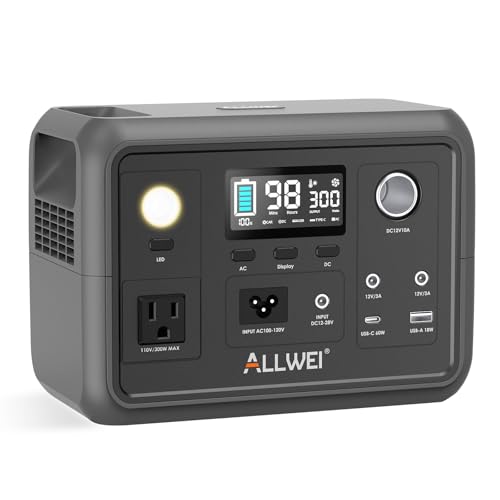
- Ensure your cell phone is fully charged and pack a high-capacity portable charger to keep your devices powered.
- Back up critical contacts and vital information to secure cloud services or a password-protected external hard drive for easy access during emergencies.
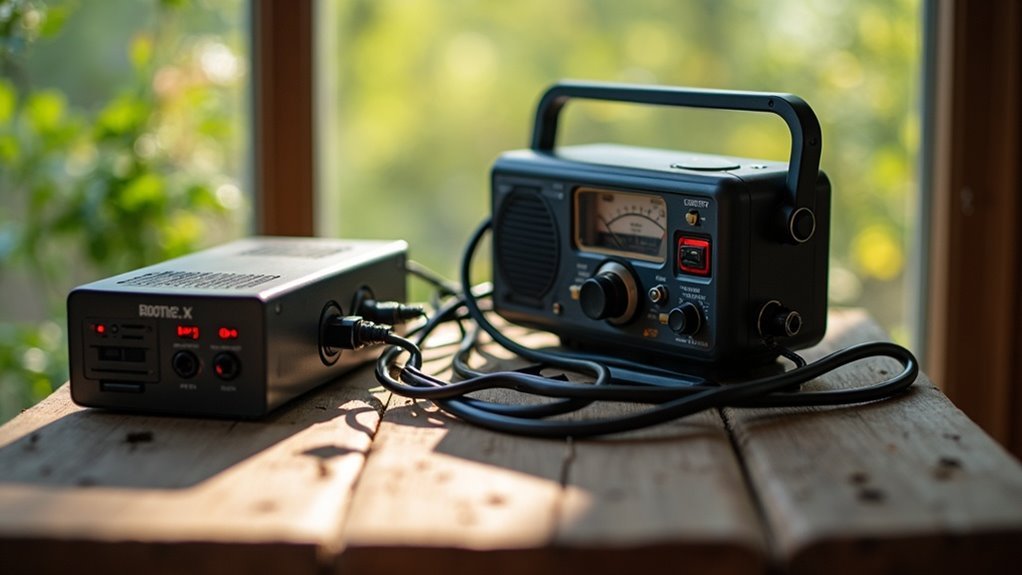
- Include a portable radio in your emergency kit to receive real-time updates and stay informed about the situation.
- Pack a laptop or tablet along with their chargers to access family photos, important documents, and vital information when needed.