To adapt flood kits for flood-prone areas, prioritize essential survival supplies like non-perishable food, water purification tablets, and portable water filters. Include reliable communication tools, such as battery-powered radios, to stay informed during emergencies. Invest in flood prevention gear like sandbags and waterproof tarps to fortify your home. Regularly maintain your kit by checking expiration dates and replacing perishable items as necessary. Tailor your supplies to meet your family’s unique needs and the specific risks of your local environment to enhance overall safety. Dive deeper into effective flood preparedness strategies and essential survival resources to ensure you’re ready for any situation.
Key Takeaways
- Utilize waterproof containers for all supplies to ensure they remain intact and protected from water damage during floods, a crucial step in effective survivalism.
- Include an ample supply of water purification tablets and portable filters in your kit to guarantee access to safe drinking water, a vital resource in disaster preparedness.
- Choose flood-specific non-perishable foods with extended shelf lives, such as waterproof ration bars and canned goods, to sustain you and your family during extended emergencies.
- Equip your kit with flood detection tools like weather radios and local alert systems to stay informed and make timely decisions in the face of impending floods.
- Make it a habit to regularly inspect and update your survival kits, replacing expired items and adjusting supplies based on seasonal flood risks to remain prepared for any eventuality.
Understanding Flood Survival Kits
When you consider the unpredictable nature of floods, understanding flood survival kits becomes essential for your safety and preparedness in the world of survivalism and prepping.
These specialized collections of supplies are meticulously curated to sustain you during flooding events, addressing unique challenges such as power loss and contaminated water.
Specialized flood survival kits are essential for addressing unique challenges like power loss and contaminated water during flooding events.
A well-organized flood survival kit includes critical items like water, non-perishable food, first aid supplies, and communication tools.
Tailoring your kit to meet your family’s specific needs enhances your overall preparedness plan, ensuring you’re ready for any situation.
Regularly inspect and maintain your kit to replace expired items, guaranteeing quick access during emergencies.
Store your kit in durable, waterproof containers and keep it in easily accessible locations to maximize your survival strategy.
Essential Supplies for Flood Preparedness
When preparing for a flood, it’s crucial to include flood-specific food options that have a long shelf life and can endure extended periods without refrigeration.
Additionally, effective water filtration methods are vital for securing safe drinking water during emergencies.
Flood-Specific Food Options
Flood-specific food options are crucial for ensuring you maintain the necessary nutrition during a flooding emergency. It’s wise to include waterproof ration bars, as they’re calorie-dense and resistant to water damage, providing essential sustenance when it’s needed most.
Aim to keep a three-day supply of non-perishable foods, like canned goods and energy bars, which are designed for easy storage and quick access. Investing in waterproof emergency food buckets can further safeguard your supplies from potential flood damage.
Regularly assess and update your food options to ensure they remain within their expiration dates. Additionally, consider incorporating water purification tablets to treat flood-affected water, making it safe for consumption during these critical situations.
Prepping in advance can make all the difference when facing a flood emergency.
Reliable Water Filtration Methods
Reliable water filtration methods are crucial for survivalists and preppers, particularly during a flooding emergency when access to safe drinking water is compromised. Contaminated water sources can lead to severe health risks, making effective filtration strategies vital. Here are some of the best methods:
- Portable Water Filters: These compact systems often include activated carbon or ceramic elements designed to eliminate harmful bacteria and protozoa. They’re easy to carry and use, making them ideal for emergency situations.
- Water Purification Tablets: An effective solution for killing pathogens, these tablets require a waiting period of 30 minutes to 4 hours before the water is safe to drink. They are lightweight and easy to store, an excellent addition to any prepper’s kit.
- Boiling Water: A time-tested method, boiling water kills harmful microorganisms effectively. Simply bring the water to a rolling boil for 1-3 minutes to ensure its safety.
- HEPA Filters: While effective at removing larger particles from water, HEPA filters should be used in conjunction with other disinfection methods for comprehensive protection.
- Waterproof Storage: Keeping your filtration supplies in waterproof containers is essential for maintaining their functionality, especially during floods when access to resources can be severely limited.
| Method | Effectiveness | Notes |
|---|---|---|
| Portable Water Filters | Removes bacteria, protozoa | Easy to use |
| Water Purification Tablets | Kills pathogens | Wait 30 min – 4 hrs |
| Boiling | Kills microorganisms | Boil for 1-3 mins |
| HEPA Filters | Removes larger particles | Pair with disinfection |
| Waterproof Storage | Guarantees accessibility | Essential during floods |
Equipping yourself with reliable water filtration methods and storage solutions will significantly enhance your readiness and ability to respond effectively in emergency situations.
Flood Prevention Tools and Equipment
As severe weather events become increasingly common, equipping yourself with effective flood prevention tools and equipment is crucial for protecting your property and ensuring your survival.
Sandbags and flood barriers are vital in blocking rising water and minimizing damage during storms, making them essential for any prepper’s arsenal. A waterproof tarp can serve multiple purposes, from creating barriers to covering vulnerable areas, effectively halting leaks and reducing water entry.
Shovels are indispensable for trenching or filling sandbags, enabling you to implement flood mitigation measures swiftly when time is of the essence.
Importance of Flood Detection and Communication
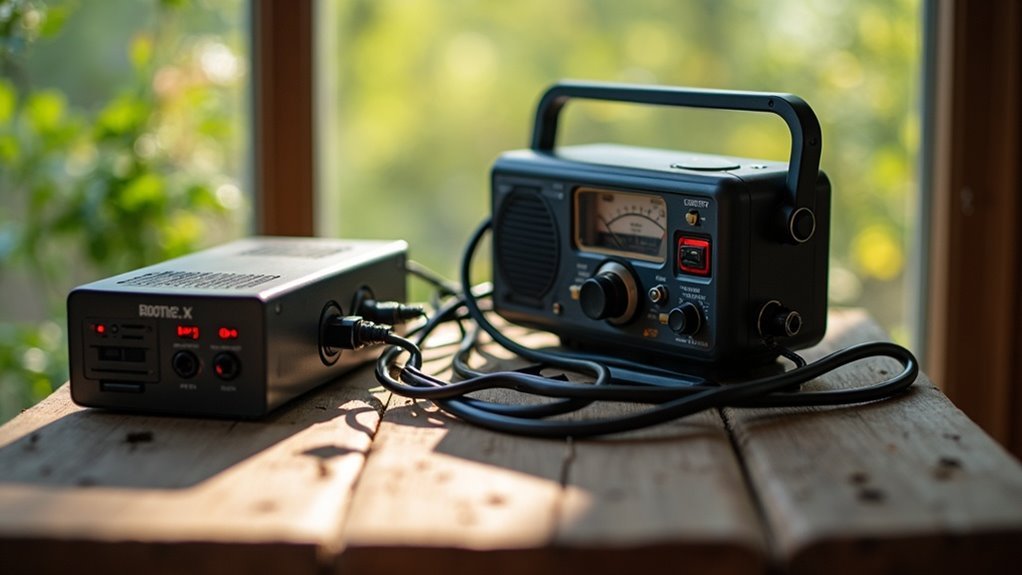
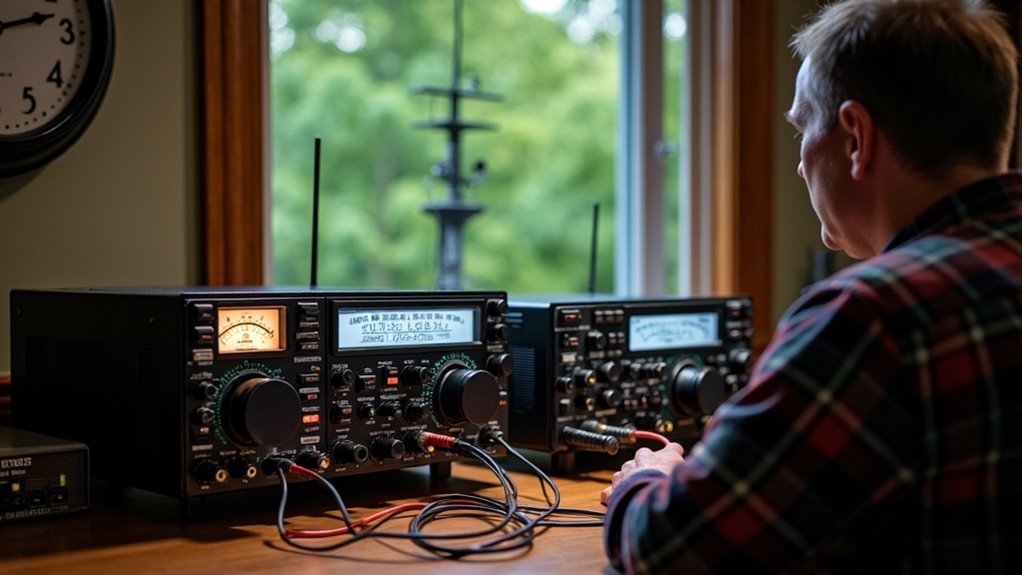
Effective flood detection and communication are crucial for survivalists and preppers during severe weather events. Investing in flood detection tools, such as weather radios and flood detectors, is essential for receiving real-time alerts about rising water levels and evacuation orders.
These devices empower you to make informed decisions in emergencies, which is vital for your safety and preparedness. A battery-powered or hand-crank weather radio is particularly valuable during power outages, ensuring you remain updated on severe weather conditions when traditional power sources fail.
Flood detectors provide localized alerts, keeping you aware of immediate threats in your area. Regularly updating and maintaining these devices is key to ensuring they function when you need them most, allowing for effective evacuation planning and helping you avoid dangerous situations.
Being prepared means being informed, and having the right tools can make all the difference in a crisis.
Evacuation Planning and Resources
Flood detection tools are crucial for survivalism and prepping, providing the vital information you need to react swiftly in emergencies.
However, having a robust evacuation plan is equally essential. Effective evacuation planning entails identifying multiple escape routes and discussing these with your family well in advance. Engage with local emergency services to understand their protocols and any potential obstacles that may impede your escape.
Regularly revisiting and practicing your plan not only enhances your disaster preparedness but also builds confidence among family members. Assemble a well-stocked go-bag filled with survival essentials, ensuring you can evacuate quickly when the situation demands it.
Moreover, fostering connections with neighbors and local community groups can offer invaluable support and resources, making your evacuation strategy more effective during a flood crisis.
Clothing and Personal Items for Flood Situations
When preparing for potential flooding, having the right clothing and personal items is crucial for ensuring your safety and comfort in survival situations.
Waterproof boots are a must-have, as they keep your feet dry and shield you from hidden hazards lurking beneath the water. A rain poncho is essential for staying dry while maintaining mobility during heavy rainfall, allowing you to navigate your environment effectively.
Durable work gloves are vital for protecting your hands from sharp debris and potential contaminants when clearing flood debris.
It’s wise to store spare clothing in waterproof bags, enabling quick changes when necessary. Layer your clothing to effectively manage temperature fluctuations and minimize contamination risks, allowing you to adapt to the unpredictable conditions that flooding can present.
Maintaining and Updating Your Flood Kit
To ensure your flood kit is always ready for action, perform thorough inventory checks every six months.
This routine not only helps you keep an eye on expiration dates but also allows you to make necessary seasonal adjustments in response to shifting risks or needs.
By staying vigilant and proactive, you boost your preparedness and ensure that all supplies are operational when disaster strikes.
Preparedness is key in survivalism; don’t wait until it’s too late to reassess your emergency resources.
Regular Inventory Checks
Regular inventory checks of your flood survival kit are crucial for ensuring its readiness during emergencies. Conduct these checks every six months to maintain optimal preparedness. Replace perishable items and thoroughly inspect equipment such as flashlights and batteries to ensure they are fully functional. Update your first aid kit with new medications tailored to your family’s specific health needs. Keeping a detailed record of any changes made will help you maintain a clear understanding of your kit’s contents and readiness.
| Item | Action Needed |
|---|---|
| Food & Water | Check expiration dates |
| Flashlights | Test functionality |
| First Aid Kit | Update with new supplies |
| Documentation | Record any changes made |
Seasonal Supply Adjustments
Maintaining your flood kit goes beyond regular inventory checks; it also requires seasonal supply adjustments to ensure you’re fully prepared for varying conditions.
During the colder months, it’s essential to include waterproof thermal blankets and extra clothing layers in your home kit to guarantee warmth during potential power outages. Additionally, update your food supplies with seasonal non-perishable items like hearty canned soups and energy bars for both comfort and nutrition.
In the warmer months, don’t forget to add insect repellent and sunscreen to protect against pests and harmful sun exposure.
Lastly, make it a habit to review your emergency contact list and important documents at the start of each season to account for any recent changes, thereby ensuring your kit remains effective and ready for any situation.
Expiration Date Monitoring
While it’s easy to overlook the significance of expiration dates in your flood survival kit, neglecting them can jeopardize your safety during a crisis.
It’s essential to regularly check the expiration dates of perishable items such as food and water purification tablets to ensure their effectiveness when you need them most.
Set reminders to inspect your kit at least twice a year, replacing expired items and restocking supplies as necessary.
Maintain a log of expiration dates for efficient tracking, particularly for first aid supplies, as their potency can diminish over time.
Store your flood survival kit in a cool, dry location to maximize shelf life and safeguard contents from premature expiration, ensuring you’re always prepared for any emergency situation.