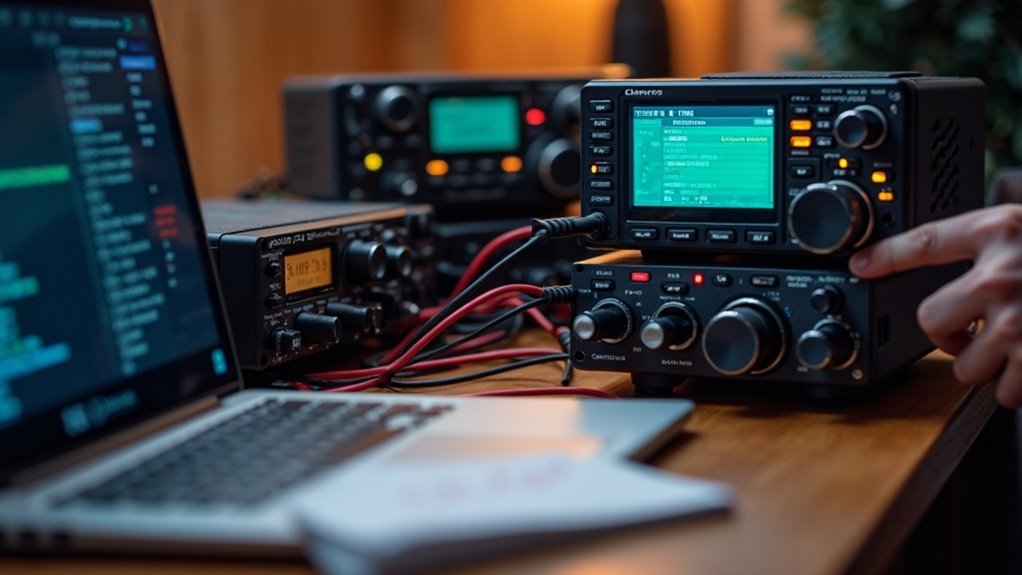
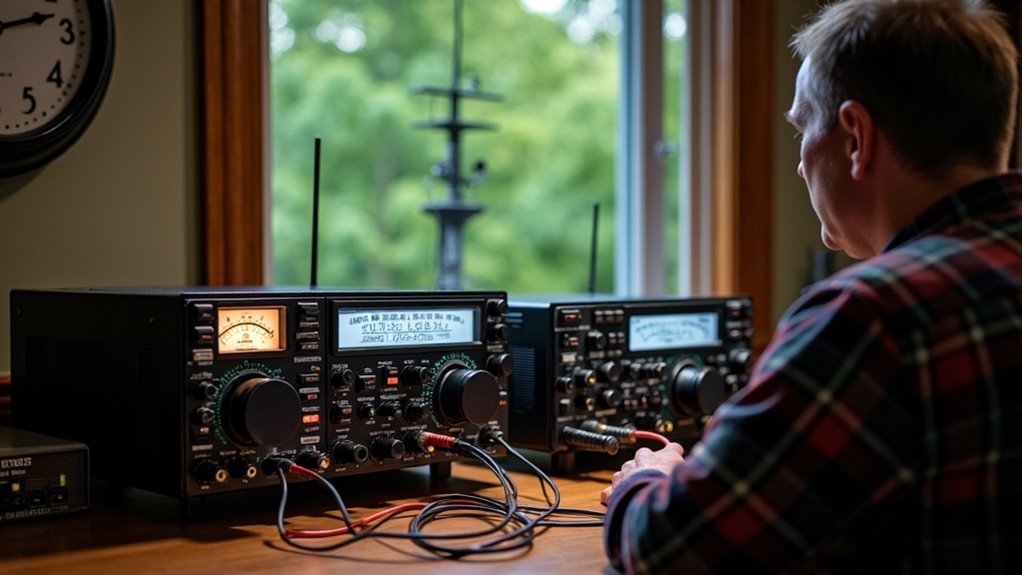
Practice drills significantly enhance your readiness in survival situations by cultivating muscle memory and building confidence. Through the repeated execution of emergency procedures, you develop quick, coordinated responses that are essential during high-pressure events. These drills also help identify weaknesses in your survival plans, fostering better communication and teamwork among your group. They ensure you are well-versed in survival protocols, allowing for effective adaptation to crises. This ongoing practice promotes continuous improvement, equipping you for any challenges that may arise in your preparedness journey. Prepare to learn more about maximizing your survival readiness.
Key Takeaways
- Practice drills build muscle memory, enabling quicker and more effective responses in high-pressure survival situations.
- Regular exercises help identify weaknesses in emergency preparedness plans, allowing for timely improvements and updates to ensure readiness.
- Drills foster teamwork and communication, enhancing collaboration among group members during crises and survival scenarios.
- Continuous practice increases familiarity with survival protocols, boosting confidence and reducing anxiety when facing real emergencies.
- Debriefs and feedback from drills lead to operational improvements, ensuring your preparedness for future challenges in survivalism and prepping.
Building Muscle Memory and Confidence
When you practice emergency procedures repeatedly, you’re not just going through the motions; you’re building muscle memory that will activate during high-pressure survival situations.
Engaging in regular drills enhances your confidence, making you feel more equipped to handle real emergencies effectively.
Survival experts emphasize that the familiarity gained from practicing various emergency scenarios leads to quicker, more coordinated responses, ultimately increasing survival rates.
By creating a safe environment for practice, you can reduce anxiety and focus on honing your skills.
Identifying Weaknesses in Emergency Response Plans
How can you ensure your emergency response plans are truly effective in a survival situation? Conducting drills is crucial for identifying weaknesses in your preparedness for various scenarios.
These exercises reveal gaps in communication, equipment, or procedures, ensuring you can respond promptly during an actual crisis. Drills also highlight issues with evacuation procedures and routes, allowing you to develop more effective exit strategies tailored to different environments.
By evaluating performance, you can address outdated survival gear and clarify emergency signals for your group. After-action reviews are essential for prioritizing repairs and upgrades, ultimately strengthening your survival framework and enhancing your overall emergency response plans.
Don’t leave gaps; prepare effectively for every potential situation you might face.
Ensuring Operational Readiness for Crises
Ensuring operational readiness for crises is vital in the survivalist and prepping community, as even the best plans can unravel without proper execution.
Regular emergency drills are critical for testing safety procedures and assessing performance in real-world scenarios. These drills confirm that your emergency exits are accessible, communication devices are functional, and security measures are in place.
Practicing these scenarios enhances your familiarity with survival protocols, leading to quicker, coordinated responses when every second counts. Furthermore, drills help identify gaps in your gear and communication methods, allowing for timely adjustments before a real crisis strikes.
Enhancing Teamwork and Communication
Effective teamwork and communication are vital in survival situations, as they can significantly influence outcomes.
Regular participation in preparedness drills fosters collaboration among team members, establishing a shared understanding of each role during emergencies. These exercises enhance communication skills, ensuring that critical information is relayed swiftly and clearly under pressure.
Regular preparedness drills build teamwork and clarify roles, enhancing communication for effective emergency responses.
Consistent drills help identify and close communication gaps, improving overall coordination when facing real-life survival scenarios. The repetitive nature of these practices reinforces a unified response strategy, which is crucial for effective crisis management.
Strengthening interpersonal relationships through these drills leads to more efficient responses when emergencies arise, highlighting the importance of teamwork and communication in the realm of survivalism and prepping.
Continuous Improvement Through Debriefs and Feedback
After sharpening your survival and preparedness skills through regular drills, it’s time to focus on the next step in your journey: continuous improvement.
Conducting debriefs allows you to reflect on your experiences, identify areas for enhancement, and celebrate your successes. Gathering feedback during these sessions ensures that valuable insights are captured, integrating lessons into future training exercises and emergency preparedness plans.
This structured approach fosters a culture of accountability, enhancing your group’s operational effectiveness in high-stress scenarios. Follow-up drills based on debrief insights test any changes made and reinforce updated protocols, solidifying your learning.
Embrace this process for continuous growth, and watch your team’s readiness and confidence in survival situations flourish.