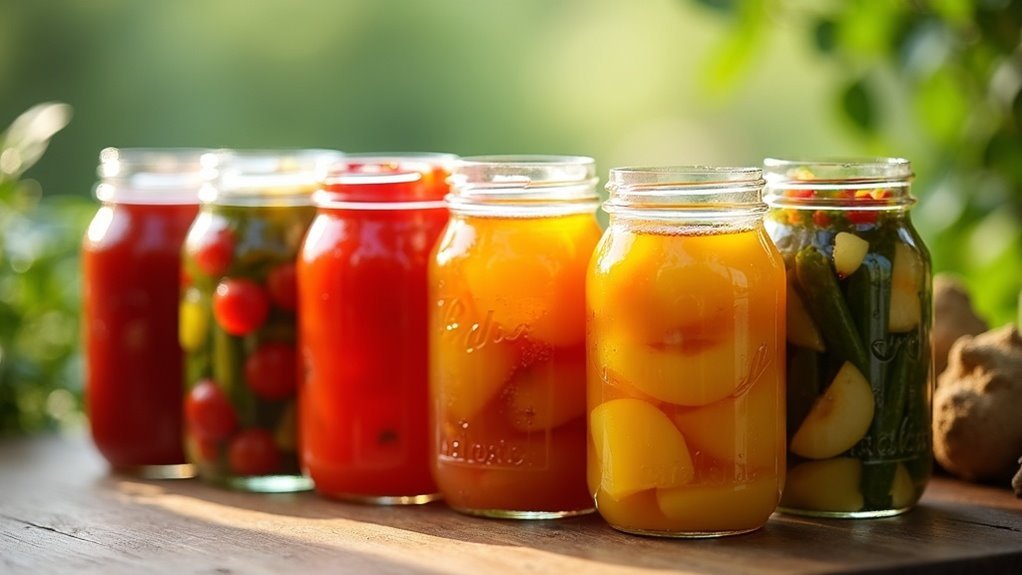
Canning is a vital skill for survivalism and prepping, as it significantly extends the shelf life of food. By sealing provisions in airtight containers, harmful bacteria are eliminated, and spoilage-causing enzymes are neutralized. The canning process often involves heat processing, which destroys microorganisms, ensuring your food supplies can last from 1 to 3 years or even longer. The airtight seals create a vacuum environment that prevents recontamination, preserving essential nutrients such as fiber and protein. Consequently, canned foods can retain up to 90% of their nutritional value, making them a reliable option for long-term food storage. For more insights on the benefits of canning in your preparedness strategy, you’ll find additional information just ahead.
Key Takeaways
- Canning is a crucial method in survivalism that eliminates harmful bacteria and spoilage-causing enzymes through heat processing, ensuring food safety for long-term storage.
- Airtight sealing of canned goods prevents recontamination and microbial growth by eliminating oxygen from the storage environment, making it an essential practice for preppers.
- Utilizing proper canning techniques neutralizes threats like botulism spores, which is vital for extending the safety and shelf life of food supplies in emergency situations.
- Canned foods can retain their quality for 1-3 years when stored in cool, dry conditions away from sunlight, making them a reliable option for any preparedness stockpile.
- The canning process preserves nutrients, allowing for healthy food options without the need for artificial preservatives, thus enhancing the overall resilience of your food supply in times of crisis.
The Science Behind Canning
Canning is a crucial skill for survivalists and preppers, as it not only preserves food but also ensures a reliable food supply during uncertain times. This method, while often perceived as straightforward, is rooted in a complex interplay of science and technique that’s vital for safety and longevity.
By sealing food in airtight containers and applying heat, harmful bacteria are destroyed, and spoilage-causing enzymes are inactivated, significantly extending shelf life. The vacuum seal created during this process further prevents recontamination, ensuring that your canned goods remain safe and ready for use when resources may be scarce.
Specific threats, such as botulism spores, are effectively neutralized through careful heating, making the knowledge of proper canning techniques essential for any prepper. Factors like food acidity and the integrity of the seal play critical roles in determining shelf life, with properly canned foods capable of lasting 1-3 years when stored correctly.
Mastering canning not only enhances your food storage capabilities but also strengthens your preparedness for any situation that may arise.
The Canning Process Explained
In the canning process, you heat food to a specific temperature that eliminates harmful microorganisms and inactivates spoilage enzymes, making it a crucial skill for survivalists and preppers.
This heat processing, combined with creating an airtight seal, is essential for preventing recontamination and ensuring long-term preservation of your food supplies.
Mastering these techniques is vital for maintaining food safety and extending the shelf life of your canned goods, which is critical for preparedness in emergency situations.
Heat Processing Techniques
When you heat food in airtight containers, you initiate a crucial process that destroys harmful microorganisms and spoilage bacteria, ensuring the food remains safe for consumption—an essential practice for anyone focused on survivalism and prepping.
This heat processing is particularly vital for canned foods, as it inactivates enzymes that could lead to spoilage. Key factors to consider include:
- Targeting specific temperatures and processing times to eliminate botulism spores, a critical concern for long-term food storage.
- Creating a vacuum seal that prevents air and microorganism recontamination, vital for maintaining the integrity of your food supplies.
- Ensuring food safety, with canned goods capable of maintaining quality for 1-3 years when stored properly, a key element in your food preparedness strategy.
Understanding these techniques is essential for maximizing shelf life and ensuring the safety of your preserved foods, ultimately supporting your self-sufficiency in a survival scenario.
Airtight Sealing Importance
The significance of airtight sealing in the canning process is paramount for anyone involved in survivalism and prepping. This essential step creates a vacuum that prevents air and microorganisms from infiltrating the container, significantly reducing the risk of bacterial growth.
By heating food in airtight containers, you effectively eliminate harmful microorganisms, including botulism spores, which pose a serious threat to food safety in emergency situations. Properly sealed jars not only maintain food quality but also extend shelf life, enabling safe storage for 1-3 years—an invaluable asset for long-term preparedness.
Minimal oxygen exposure is crucial, as it prevents degradation and spoilage, ensuring that your canned goods remain safe and palatable when you need them most. Ultimately, mastering the art of airtight sealing is essential for guaranteeing that your food supplies stand the test of time and support your survival efforts.
Importance of Airtight Sealing
Airtight sealing is crucial in the canning process, especially for survivalists and preppers, as it effectively prevents microbial growth by removing oxygen, which can lead to food spoilage.
Creating a vacuum environment not only extends the shelf life of your canned goods but also preserves their flavor and nutritional value—essential for long-term food storage.
By ensuring a proper seal, you significantly lower the risk of foodborne illnesses, making your preserved items safer and more reliable in emergency situations.
This practice is vital for anyone looking to maintain a sustainable food supply during uncertain times.
Prevents Microbial Growth
Creating a vacuum seal during the canning process is a crucial skill for survivalists and preppers, as it effectively limits oxygen exposure, which is essential for preventing microbial growth.
This airtight sealing method not only destroys harmful microorganisms through high-temperature heating but also prevents air reintroduction that could spoil your stored food.
- Inhibits microbial activity, ensuring long-term food safety
- Targets threats like Clostridium botulinum, a serious concern for canned goods
- Slows enzymatic reactions that degrade food, allowing for better preservation in emergency situations
Mastering vacuum sealing can significantly enhance your food storage strategies and preparedness for any crisis.
Extends Food Freshness
While you mightn’t think about it often, proper vacuum sealing during canning is crucial for survivalists and preppers looking to extend food freshness and ensure long-term food storage.
By creating an airtight environment, you prevent oxygen from entering, which is essential for inhibiting spoilage microorganisms and bacteria that can compromise your food supply. This sealing process significantly slows oxidation, helping to preserve the nutritional value and flavor of your canned fruits and vegetables, which is vital during emergencies or extended periods without access to fresh food.
With a hermetic seal, you can extend the shelf life of your canned goods for 1-3 years without spoilage, maintaining texture and quality that can be relied upon when resources are scarce.
Regularly inspecting your seals is paramount; compromised seals can introduce air and bacteria, jeopardizing food safety and freshness.
For anyone serious about survivalism and prepping, mastering the art of vacuum sealing can be a game-changer in your food preservation strategy.
Heat Processing and Microorganism Destruction
Survivalism and prepping emphasize the importance of self-sufficiency, especially when it comes to food preservation. Heat processing is a critical technique in canning, using high temperatures to effectively eliminate harmful microorganisms that can cause food spoilage and potential health risks. This essential practice ensures food safety and prolongs shelf life, which is vital for those preparing for uncertain times.
Survivalism highlights self-sufficiency through food preservation, with heat processing ensuring safety and extending shelf life.
Key considerations include:
- The eradication of bacteria, yeasts, and molds that contribute to spoilage, ensuring your food supply remains safe.
- A particular focus on botulism spores, which necessitate precise temperature control for their effective destruction, safeguarding against serious health threats.
- Inactivation of enzymes that could degrade food quality over time, helping maintain the nutritional value of your stored provisions.
Nutritional Retention in Canned Foods
Canning is an essential skill for survivalists and preppers, as it not only ensures food safety but also plays a crucial role in retaining the nutritional value of your preserved foods.
By sealing goods shortly after harvesting, you can maintain nutrients at their peak levels, which is vital for long-term preparedness. The canning process involves heating that eliminates harmful microorganisms while preserving essential nutrients like fiber and protein.
Research indicates that canned fruits and vegetables can retain up to 90% of their original nutritional value, making them a smart choice for a healthy, self-sufficient diet.
Additionally, the airtight seal created during canning prevents oxidation, which can degrade nutrients over time, thereby extending the nutritional lifespan of your food without the need for artificial preservatives.
This makes canned goods an indispensable part of any survival pantry.
Proper Storage Practices for Longevity
To ensure the longevity of your canned goods in a survival or prepping scenario, it’s essential to store them under optimal conditions. Adhering to proper storage practices can significantly extend their shelf life and preserve the quality of the contents for the long haul.
Optimal storage conditions are crucial for extending the shelf life and quality of your canned goods in any survival situation.
- Store cans in a cool, dry location, away from direct sunlight to prevent degradation.
- Prior to purchase, inspect for dents or damage to avoid spoilage and ensure you’re investing in reliable supplies.
- Once opened, promptly transfer any leftovers to food-grade containers and refrigerate to maintain freshness.
Make it a habit to regularly check the “use by” and “best before” dates to ensure you’re consuming your canned goods while they’re still at their peak quality.
Myths and Facts About Canned Foods
While many people believe canned foods are inferior to fresh options, the reality is that they can provide comparable nutritional benefits, making them an essential part of any survivalist or prepping strategy.
Canned goods often preserve fruits and vegetables at peak ripeness, locking in essential vitamins and minerals for long-term storage. Contrary to the myth that all canned foods are high in sodium, there are numerous options available with reduced or no added sodium, supporting healthier diets even in emergency situations.
Canning serves as an effective food preservation method, significantly reducing waste by utilizing surplus produce and allowing for long-term stockpiling.
Additionally, when properly stored, canned foods can last 1-3 years beyond their “best by” date, ensuring a reliable food source during uncertain times and making them a practical choice for preppers looking to maintain nutrition.