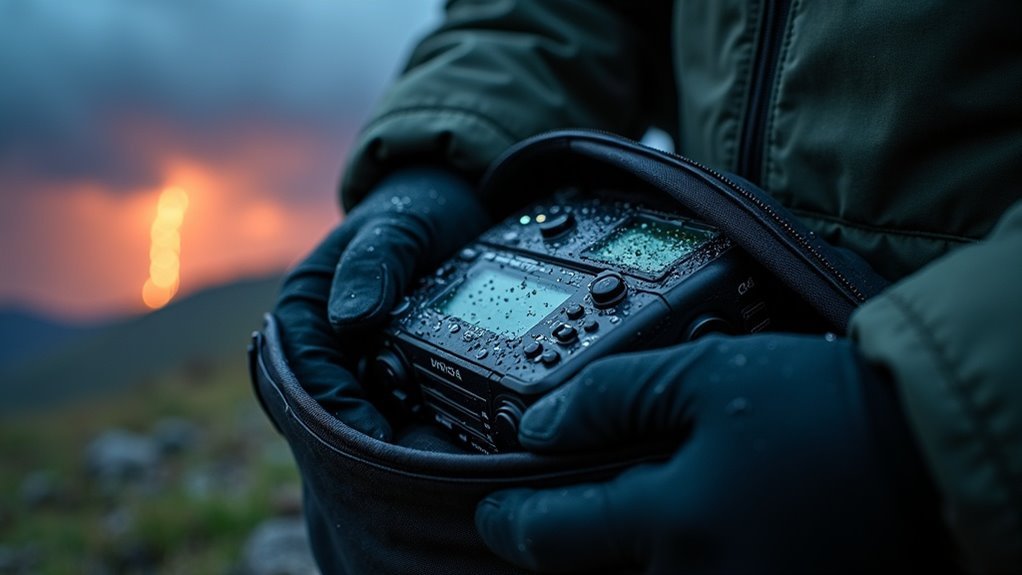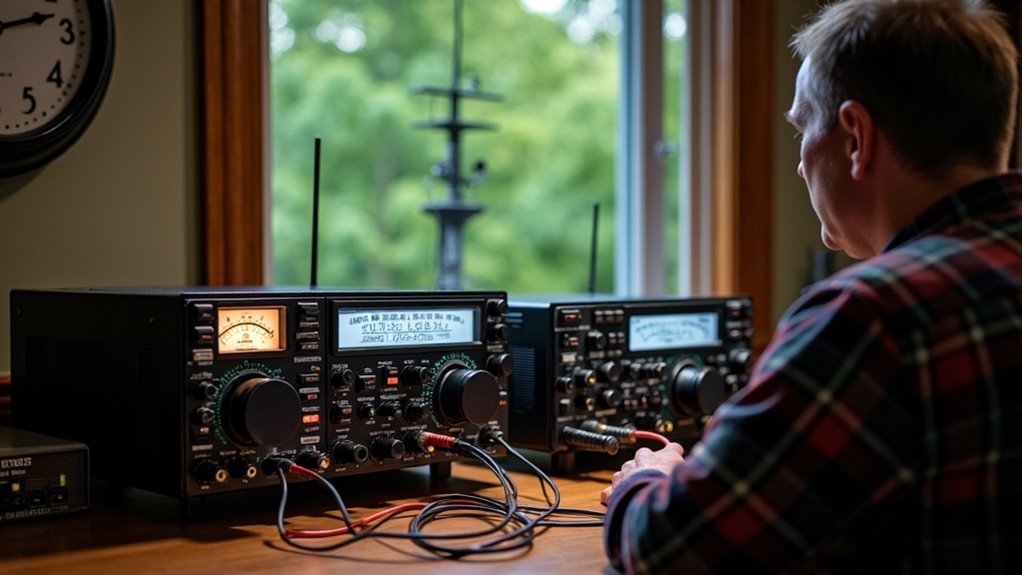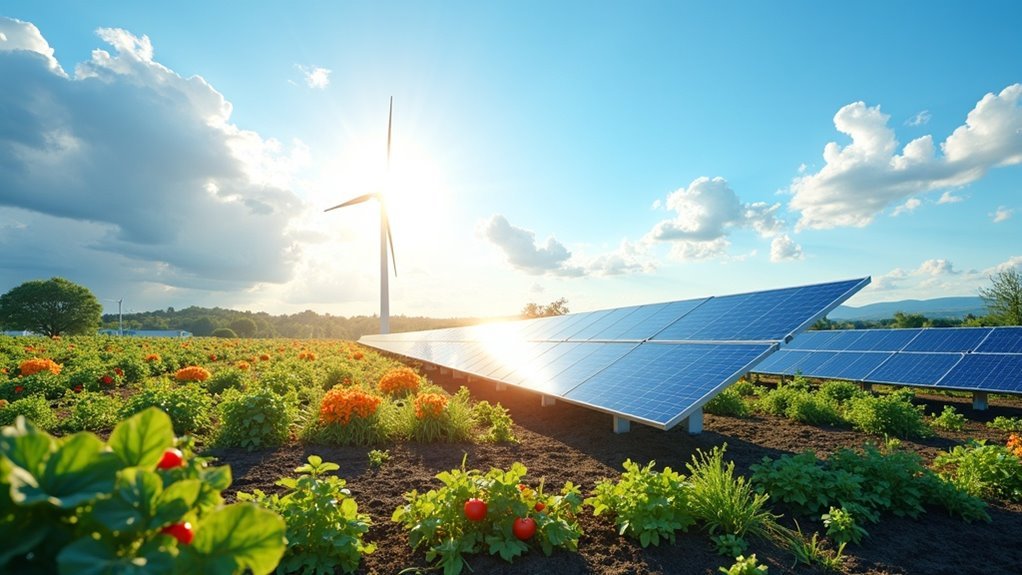
Solar power significantly boosts resilience for survivalists and preppers by offering a dependable energy source during outages and decreasing reliance on fragile fossil fuel supply chains. By generating electricity locally, you can maintain essential services and enhance energy independence, which is crucial for preparedness in times of crisis. Investing in solar systems often results in considerable long-term cost savings and can also increase property values—an important factor for those looking to secure their homesteads. Moreover, innovative solar solutions are invaluable in emergency situations, providing power when traditional grids fail. Delving deeper into these benefits illustrates how solar energy can be a cornerstone of community resilience in a survivalist context.
Key Takeaways
- Solar power reduces dependence on centralized grids, enhancing energy independence and resilience during outages, which is crucial for survivalists and preppers.
- Local electricity generation from solar panels ensures essential services remain operational, promoting community preparedness in the face of potential disasters.
- Solar energy combined with battery storage provides reliable power, enabling quicker recovery from extreme weather events and other survival scenarios.
- Innovative solar solutions, like portable generators and water purification systems, bolster community resilience during emergencies, ensuring that prepper communities can sustain themselves.
- Community engagement in solar initiatives fosters cooperation, strengthens social ties, and creates local jobs, all of which are vital for enhancing overall resilience in a survivalist framework.
The Importance of Solar Energy in Building Resilience
As communities face increasing threats from natural disasters and climate change, solar energy emerges as a crucial asset for survivalism and prepping. By reducing dependence on fossil fuels, you diminish vulnerability to supply chain disruptions during crises.
Solar systems offer independent power generation, ensuring that essential resources—including medical supplies and communication devices—remain operational during outages. When combined with energy storage solutions, they empower homes and off-grid setups to maintain a reliable electricity supply even when traditional grids fail.
Additionally, incorporating solar power into your preparedness plan promotes long-term cost savings, supports sustainable rebuilding strategies, and fosters clean energy practices that are vital for community resilience in the face of adversity.
How Solar Panels Ensure Continuous Power Supply
Solar panels are a crucial component for survivalists and preppers aiming to ensure a continuous power supply during emergencies. By harnessing the sun’s energy and converting it into electricity, they offer a dependable power source that can be used immediately or stored in battery systems for later use.
In the event of a crisis or power outage, homes equipped with solar panels and robust battery storage can rely on the stored energy to keep essential services such as refrigeration, lighting, and communication devices operational. This setup not only enhances energy resilience—making you less reliant on vulnerable centralized grids—but also significantly reduces the need for expensive backup power solutions.
Ultimately, investing in solar energy can lead to substantial long-term savings on electricity bills while ensuring that you remain powered and prepared during unforeseen emergencies.
Energy Independence and Community Preparedness
When communities adopt solar power for their energy needs, they take a crucial step towards self-sufficiency and preparedness in the face of potential crises.
Solar power systems empower individuals to generate electricity locally, significantly reducing dependence on centralized grids that can be vulnerable during disasters. By incorporating battery storage into these systems, essential services can remain operational even during power outages, which is vital for effective disaster response.
Solar power systems enable local electricity generation, enhancing resilience against disasters and ensuring essential services remain operational during outages.
Investing in solar not only harnesses local resources but also aids in a faster recovery from extreme weather events, aligning perfectly with survivalist principles.
Furthermore, solar-powered microgrids can independently supply critical facilities such as hospitals during blackouts, bolstering community resilience and ensuring that you and your neighbors are better equipped to handle emergencies.
Cost Savings and Economic Benefits of Solar Power
When you consider solar power in the context of survivalism and prepping, the potential for long-term energy independence becomes clear, with many homeowners reducing their reliance on the grid by 50% or more.
Additionally, the value of your property could increase, as studies indicate an average rise of 4.1% after installation.
Coupled with financial incentives like federal tax credits and state rebates, solar power not only makes sense for sustainable living but also enhances your self-sufficiency and resilience in uncertain times.
Long-term Energy Savings
Investing in solar power systems can provide substantial long-term savings on your energy bills, making it a wise choice for survivalists and preppers alike.
Homeowners can often recoup their initial investment within 5 to 7 years, which is crucial for those looking to secure their energy independence. By incorporating solar power, you can significantly reduce energy costs and enhance your resilience against future price hikes or energy shortages.
With the projected 10% drop in installation costs by 2025, solar energy becomes an even more appealing option for those preparing for uncertain times. Financial incentives, such as the Federal Solar Investment Tax Credit, can cover up to 26% of installation expenses, further strengthening your financial position.
Ultimately, generating your own electricity not only enhances your self-sufficiency but also allows you to allocate savings to other critical needs, ensuring you and your community are better prepared for any challenges that may arise.
Increased Property Value
The installation of solar power systems not only provides significant energy savings but also enhances your property’s value, making it a smart choice for survivalists and preppers.
Here’s how solar installations can elevate your investment:
- Homes equipped with solar power experience an average increase of 4.1% in property value, which can be crucial for long-term survival planning.
- Over 20 years, they can help you save between $10,000 and $30,000 on energy bills, allowing you to allocate resources to other preparedness needs.
- Properties with solar panels tend to sell 20% faster, making them more attractive to like-minded buyers who prioritize self-sufficiency.
- The growing demand for energy-efficient homes boosts their marketability, ensuring a solid financial return on investment that can support your prepping goals.
Investing in solar not only strengthens your financial position but also aligns with a sustainable future—an essential aspect of any survival strategy.
Financial Incentives Available
While exploring solar power options for your preparedness plan, you’ll discover a variety of financial incentives that can help make this vital shift more affordable. Federal tax credits, such as the Investment Tax Credit (ITC), allow you to deduct 30% of your solar installation costs, significantly reducing your initial investment.
Many states also provide rebates and performance-based incentives, further enhancing your overall savings. Financing options like solar loans can help you manage costs without large upfront payments, enabling you to recoup expenses through energy savings over time.
Moreover, investing in solar installations can enhance your property value, offering a solid return on investment, as homes equipped with solar panels generally sell for about 4% more on average. This makes solar power not only a smart energy choice but also a strategic move for those focused on long-term self-sufficiency and resilience.
Innovative Solar Solutions for Emergency Situations
In emergency situations, portable solar generators and solar-powered charging stations are vital for survivalists and preppers, ensuring that essential services and communication remain intact.
These innovative solutions ensure that medical equipment continues to function, allowing first responders to coordinate their efforts effectively.
Moreover, solar-powered water purification systems offer a reliable source of clean drinking water, a crucial resource during disasters, thereby bolstering community resilience and preparedness.
Portable Solar Generators
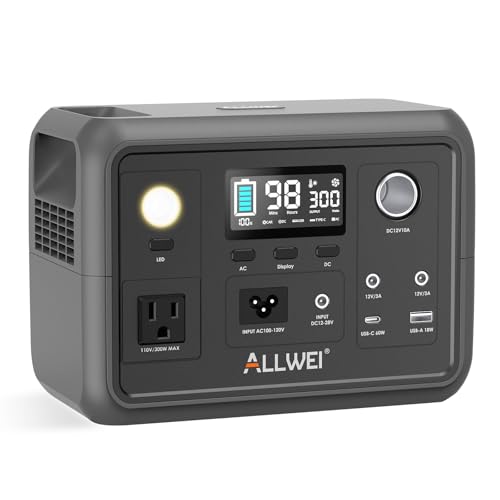
As natural disasters become increasingly common, portable solar generators have become vital tools for survivalists and preppers looking to ensure access to electricity during emergencies.
These innovative solar solutions provide immediate power, especially when energy grids fail, making them essential for off-grid living and disaster preparedness.
Their benefits include:
- Lightweight and easy to transport for rapid deployment in crisis situations.
- Battery storage systems that store excess energy for later use, ensuring you have power when it’s most needed.
- High efficiency and capacity to power multiple devices simultaneously, from communication tools to medical equipment.
- Reduced reliance on fossil fuels, promoting sustainability and self-sufficiency in uncertain times.
Investing in a portable solar generator is a smart move for anyone serious about preparedness and survival.
Solar-Powered Charging Stations
Solar-powered charging stations are vital tools for survivalists and preppers, offering a reliable power source for charging mobile devices when conventional power grids are compromised.
In emergency situations, these stations ensure that you can maintain communication and coordination, which is crucial for effective response and recovery.
With integrated battery storage systems, they provide a dependable electricity supply even during nighttime or overcast weather, ensuring your devices remain operational when you need them most.
Their quick deployment in disaster-stricken areas significantly boosts community resilience, supporting essential equipment like medical devices.
Water Purification Systems
When disaster strikes, having access to clean drinking water is essential for survival, and innovative solar water purification systems are crucial tools for preppers and survivalists.
These systems harness solar power to ensure that communities impacted by natural disasters can secure safe drinking water. Here’s how they enhance preparedness and resilience:
- Contaminant Removal: Effectively eliminates harmful pathogens, making water safe to drink.
- Independence from the Grid: Operates without electricity, ensuring functionality even during power outages.
- Rapid Deployment: Portable units can be quickly set up in remote or disaster-stricken areas.
- Sustainable Practices: Reduces reliance on bottled water, promoting long-term community resilience and self-sufficiency.
Investing in these technologies is vital for enhancing your preparedness and supporting sustainable recovery efforts in times of crisis.
Engaging Communities in Solar Energy Initiatives
Engaging communities in solar energy initiatives is essential for building resilience and self-sufficiency, particularly in survivalism and prepping contexts.
By organizing workshops and educational programs, you can empower residents to understand solar technology, energy independence, and sustainable practices that can help them prepare for emergencies.
Collaborative solar projects, such as community solar gardens, enable multiple households to share the benefits of renewable power, enhancing energy security and accessibility during crises.
Moreover, these initiatives create local jobs in installation and maintenance, contributing to economic stability in uncertain times.
Strengthening social ties through community engagement not only fosters cooperation but also enhances preparedness and response capabilities during emergencies, ultimately leading to a more resilient and self-reliant community.