A Bug In Plan is centered around the principles of survivalism and prepping, focusing on sheltering in place during emergencies to enhance your safety and security. It emphasizes the importance of being well-prepared with essential supplies, such as water and non-perishable foods, while also establishing reliable communication methods for emergencies. You’ll want to develop short-term strategies for immediate survival, as well as long-term sustainability practices, like growing your own food. Additionally, implementing robust security measures for your home is crucial. Explore numerous ways to ensure your preparedness and resilience in the face of uncertainty.
Key Takeaways
- A Bug In Plan refers to sheltering in place during emergencies to ensure safety and security for survivalists and preppers.
- Preparedness involves having essential supplies and strategies for immediate survival needs, tailored for those who prioritize self-sufficiency.
- Long-term sustainability includes establishing food sources, such as gardening or foraging, and reliable water purification methods for ongoing survival.
- Security measures enhance home protection, including reinforced doors, alarms, and other fortifications that align with prepping principles.
- Family emergency procedures and community engagement foster resilience, ensuring that individuals and families can effectively respond to crises while supporting one another.
Understanding the Concept of Bug In Plans
When an emergency strikes, having a Bug In Plan can mean the difference between safety and chaos. This plan involves sheltering in place, ensuring all basic survival needs are met.
An effective Bug In Plan requires you to assemble an emergency kit stocked with non-perishable food, clean water, medical supplies, and essential tools to last at least two weeks. Each family member should be well-versed in the plan, including strategies for fortifying your home against potential threats.
Familiarity with local resources enhances your security, enabling you to navigate your neighborhood effectively during a crisis. Regular maintenance and rotation of supplies are crucial, ensuring you’re always prepared for any disaster scenario that may arise.
Embracing survivalism and prepping principles can significantly bolster your readiness and resilience in uncertain times.
Essential Supplies for a Bug In Plan
A well-equipped Bug In Plan is essential for survivalism and prepping, ensuring you can effectively endure any emergency situation.
Prioritize these critical supplies:
- Drinking water: Store at least 1 gallon per person per day for a minimum of two weeks to avoid dehydration and maintain health.
- Meals that require little preparation: Stockpile non-perishable foods, such as canned goods, freeze-dried meals, and ready-to-eat items that will sustain you during extended periods of isolation.
- Basic first aid: Equip each family member with a fully stocked individual first aid kit, including necessary medications, to handle minor injuries and health issues.
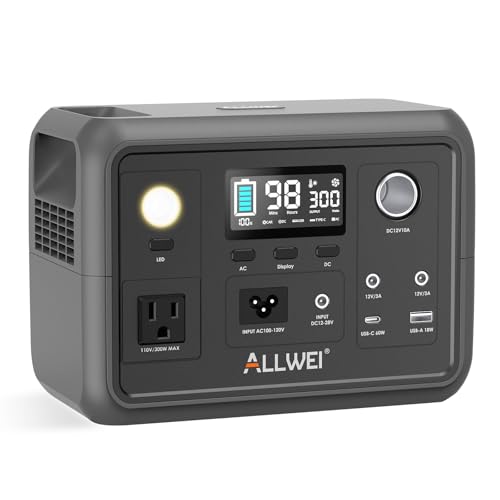
- Medical supplies: Ensure you have trauma supplies, such as bandages and antiseptics, along with a reliable power source, like a generator, for charging devices and maintaining electricity when the grid is down.
Short-Term Preparedness Strategies
To effectively implement short-term preparedness strategies, it’s crucial to develop a comprehensive supplies checklist that prioritizes your immediate survival needs. This includes food, water, first aid kits, and essential tools.
Additionally, establishing robust emergency communication methods ensures you can stay connected with your family and vital resources during a crisis.
Essential Supplies Checklist
Essential supplies are paramount for effective short-term preparedness, particularly during emergencies that may necessitate remaining indoors for an extended duration.
It’s vital to ensure you have the following essentials in your survival kit:
- Water: Store a minimum of one gallon per person per day to stay hydrated.
- Food: Stockpile non-perishable items such as freeze-dried meals, canned goods, and energy bars to sustain yourself.
- First Aid Kit: Equip your kit with trauma supplies, over-the-counter medications, antiseptics, and a variety of bandages for injuries.
- Sanitation: Establish a waste disposal plan using options like 5-gallon bucket toilets to maintain hygiene and safety.
Being well-prepared with these essentials will enhance your ability to navigate emergencies effectively.
Emergency Communication Methods
How can you ensure effective communication during an emergency when traditional methods may fail?
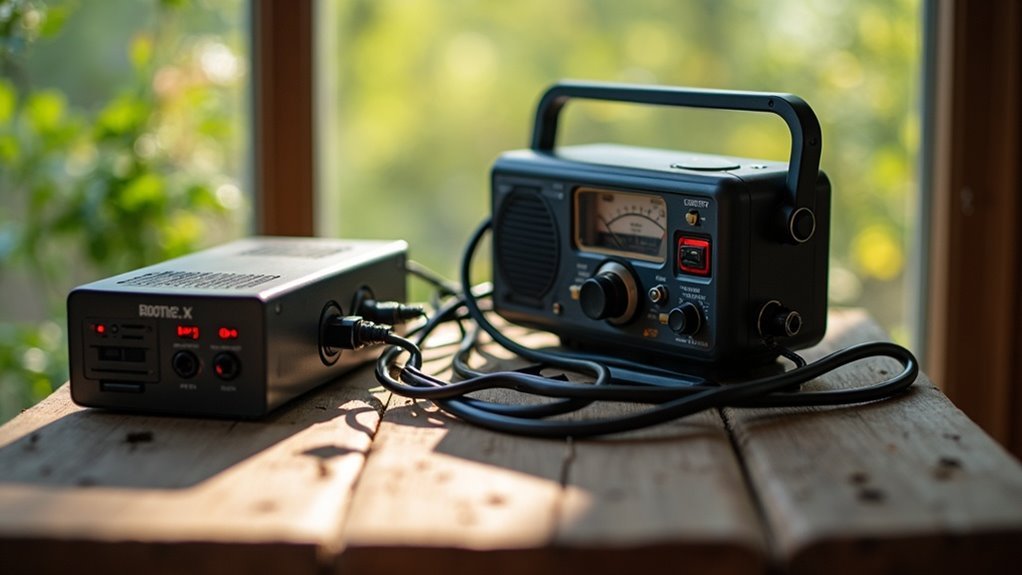
Develop a comprehensive communication plan that incorporates alternative methods such as walkie-talkies or two-way radios, as smartphones can lose network access during natural disasters.
Designate an out-of-area contact for your family, ensuring everyone is aware to report their status.
Keep a list of critical local emergency numbers readily accessible in your bug-in plan for quick reference.
Regularly conduct emergency communication drills with your family to improve response times.
Lastly, invest in dependable power sources, such as portable chargers or solar-powered devices, to keep your communication tools operational when it matters most.
This preparedness can be vital in a survival situation.
Long-Term Sustainability Considerations
When preparing for long-term sustainability in a bug-in scenario, it’s crucial to prioritize the establishment of renewable food sources, efficient water purification systems, and sustainable energy solutions.
These components are vital not only for meeting your immediate survival needs but also for ensuring a livable environment in the long run.
Replenishable Food Sources
While emergencies can pose significant challenges to maintaining a steady food supply, creating replenishable food sources such as vegetable gardens, fruit trees, and herbs can significantly enhance your self-sufficiency and reduce dependence on limited stored provisions.
To ensure sustainable food practices in your survival strategy, consider implementing the following techniques:
- Utilize permaculture practices to improve soil health and promote biodiversity.
- Employ crop rotation and plant heirloom varieties to ensure a consistent and continuous harvest.
- Keep detailed records of planting schedules and harvest yields to optimize your food production.
- Investigate small-scale aquaculture as a reliable source of protein, complementing your overall food supply.
Water Purification Systems
While ensuring access to clean water is paramount for survival in any emergency situation, the effectiveness of your water purification system relies heavily on the methods you select and how diligently you maintain them.
In critical scenarios, boiling water or utilizing purification tablets can provide immediate relief. For long-term preparedness, explore advanced filtration systems or gravity-fed filters that require minimal upkeep and operate without electricity.
Regular maintenance and testing are crucial to confirm that these systems continue to effectively eliminate contaminants over time. By choosing the right purification strategies and committing to consistent maintenance, you can ensure a dependable source of clean water—an essential component for thriving in any survival situation.
Sustainable Energy Solutions
Access to clean water is just one piece of the puzzle when it comes to survival and self-sufficiency.
Sustainable energy solutions are equally essential for a resilient future. By leveraging renewable energy sources, you can reduce your reliance on fossil fuels, ensuring energy independence and achieving significant cost savings.
Consider these options for your prepping strategy:
- Solar power systems can save homeowners 20-30% on energy costs, making them a wise investment for off-grid living.
- Wind energy is a cost-effective option at $30-$60 per megawatt-hour, perfect for those with ample land.
- Hydroelectric power contributes 16% to global electricity and can be harnessed for personal use if you have access to flowing water.
- Investing in energy storage solutions ensures you have power during emergencies and peak demand.
Together, these strategies enhance long-term sustainability and preparedness for any situation.
Security Measures for Home Protection
When it comes to securing your home in the context of survivalism and prepping, implementing robust security measures is essential for protecting your family and resources. Start by installing solid doors with deadbolts to deter potential intruders, ensuring that your stronghold remains secure.
Enhance your property’s visibility with motion-activated security lights, which can deter unauthorized access and alert you to any movement around your home during the night.
Regularly maintain your alarms and surveillance systems to guarantee functionality during crises, as these systems can be your first line of defense. Reinforce windows with security film or bars, allowing for emergency escape routes if needed while also preventing easy entry.
Additionally, practice situational awareness and establish a communication plan with family members. Ensure everyone knows whether to stay put or evacuate in case of a security breach, as preparedness is key in survival situations.
Consider creating a safe room or a fortified area within your home that can serve as a refuge during an emergency. Overall, integrating these measures into your home security plan will bolster your preparedness for any potential threats.
Family Emergency Procedures and Drills
Securing your home is only one part of an effective survival strategy; understanding how to respond in emergencies is equally critical for survivalists and preppers.
Implementing family emergency procedures ensures that every member knows their roles and responsibilities when faced with a crisis. Here are key components to incorporate into your preparedness plan:
- Establish clear communication plans for contacting each other during emergencies.
- Conduct regular drills to practice your responses and become familiar with escape routes and safe locations.
- Assign specific roles to each family member during drills to optimize efficiency and effectiveness.
- Maintain a well-stocked emergency kit with supplies covering several days, tailored to your family’s specific needs.
Regularly review and update these procedures to adapt to any changes in family dynamics, local hazards, or survival scenarios.
Preparedness isn’t just a mindset; it’s a crucial part of thriving in uncertain times.
Building Community Resilience During Crises
While emergencies can strike unexpectedly, building community resilience through survivalism and prepping equips you and your neighbors to face crises more effectively.
Engaging in community preparedness programs fosters stronger relationships, enhancing resource sharing and collective planning. By exchanging valuable survival skills like first aid, food preservation, or emergency response tactics, you promote self-sufficiency and safety.
Engaging in community preparedness strengthens bonds and promotes essential skills for self-sufficiency and safety.
Regular drills identify weaknesses in your preparedness plans, improving coordination among residents. Establishing robust communication networks, such as local alert systems or dedicated prepping groups, guarantees timely information sharing during emergencies.
This proactive approach strengthens your community’s ability to respond, ultimately leading to safer and more resilient neighborhoods in the face of adversity.