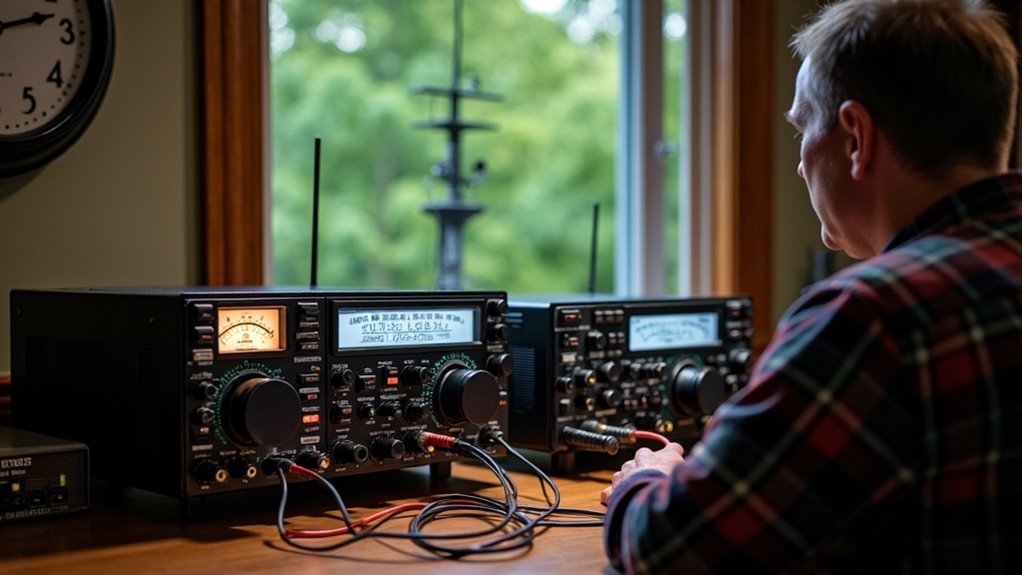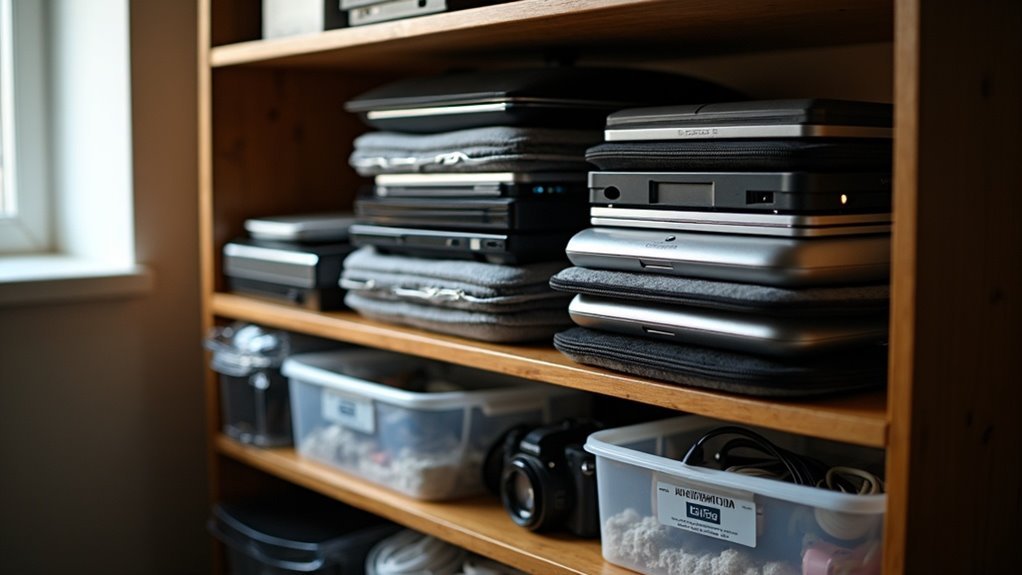
To store electronics long term for survival and prepping purposes, start by shutting down and unplugging all devices, and removing batteries to prevent leakage and corrosion. Ensure that each item is thoroughly cleaned to avoid dust buildup. It’s also wise to back up important files on external drives or cloud storage, as these could be crucial in emergency situations.
Utilize sturdy plastic bins with tight-fitting lids to protect your electronics from moisture and pests. For added protection, wrap items in bubble wrap and place them in anti-static bags to prevent static damage. Aim to store your items in a climate-controlled environment, maintaining humidity levels below 60% to prevent mold and degradation.
Regularly monitor your stored electronics for dust accumulation, battery health, and signs of pests. This diligence will help ensure that your devices remain functional and ready for use when you need them most. For further insights, explore more detailed guidelines on ideal storage methods tailored for survivalism and prepping.
Key Takeaways
- Ensure devices are completely shut down, unplugged, and cleaned before storage to prevent damage and contamination, as this is crucial for maintaining operational readiness in survival situations.
- Use climate-controlled storage with humidity below 60% to protect electronics from moisture and temperature extremes, ensuring your gear remains functional when you need it most.
- Pack devices in sturdy plastic bins with tight-fitting lids, using bubble wrap for cushioning and silica gel packets to absorb moisture, safeguarding your electronics against potential environmental threats.
- Regularly inspect stored electronics every few months, powering them up briefly to maintain battery health and prevent dust buildup, which is essential for reliable performance during emergencies.
- Seal items in airtight bags to deter pests and maintain a clean storage environment, preventing infestations that could compromise your preparedness supplies.
Create a Pre-Storage Checklist
Before you store your electronics as part of your survival preparations, it’s essential to create a thorough pre-storage checklist to ensure their longevity and reliability when you need them most.
First, confirm that all devices are completely shut down and unplugged to prevent any electrical damage that could render them useless during an emergency.
Ensure all devices are fully powered down and disconnected to avoid potential electrical damage in emergencies.
Next, remove batteries from devices, including coin cells, to avoid leakage that could compromise functionality.
Clean each device with a soft cloth to eliminate dust and moisture, as these can attract corrosion in the storage environment, reducing the lifespan of your gear.
Additionally, back up important files and data to secure locations, ensuring you have access to vital information when it matters.
Finally, stay organized by wrapping chargers and cables neatly, storing them in labeled pouches or containers.
Following these best practices for long-term storage will help protect your devices and keep them ready for action whenever you need them.
Choose the Right Packing Supplies
Selecting the right packing supplies is crucial for ensuring your electronics remain safe and functional during long-term storage, especially for survivalists and preppers.
Here are four essential items to consider:
- Plastic Storage Bins: Opt for bins with tight-fitting lids to prevent moisture absorption and shield your gear from humidity damage, which can be critical in emergency situations.
- Bubble Wrap or Foam Sheets: Use these materials to wrap devices, providing cushioning against scratches and impacts while ensuring they’re ready for quick deployment when needed.
- Anti-Static Bags: Store smaller electronic components in these specialized bags to protect against electrostatic discharge, safeguarding your vital tech for future use.
- Silica Gel Packets: Incorporate these into your storage bins to absorb excess moisture, helping to prevent moisture-related issues that could compromise your equipment’s functionality.
Regularly monitoring humidity levels will further ensure your electronics remain in optimal condition for when you need them most.
Set Up a Stable Storage Environment
To ensure your electronics are prepared for long-term storage in a survival situation, it’s crucial to create a stable storage environment.
Utilize climate-controlled storage to regulate temperature and humidity, aiming for levels below 60% relative humidity at room temperature.
Utilize climate-controlled storage to maintain optimal temperature and humidity, keeping relative humidity below 60% for electronics safety.
Steer clear of extreme temperatures or moisture by avoiding areas like garages or attics that can be prone to fluctuations.
Elevate your items on shelves or pallets to minimize flood risks and organize the layout for easy access, ensuring devices aren’t packed too tightly to allow for adequate airflow.
Regularly inspect the storage area to keep it clean and prevent dust buildup, and remember to remove batteries to further safeguard your electronic components in case of emergencies.
Revisit and Maintain Stored Electronics
While you might think that storing electronics is a one-time task, regularly revisiting and maintaining them is crucial for ensuring their longevity and functionality, especially in a survivalist context.
Follow these steps to keep your devices in prime condition and ready for any situation:
- Regularly check stored electronics every few months to prevent dust accumulation and ensure they’re operational when needed.
- Perform brief power-ups during inspections to maintain battery health and keep internal components functioning, which is vital during emergencies.
- Label each storage container with inspection dates for effective inventory management and easy access during critical times.
- Document any maintenance actions taken during inspections for reliable future reference, so you can track the performance of your gear over time.
Adjust your inspection frequency based on the age and condition of the electronics to ensure they remain reliable assets for your preparedness plan.
Protect Against Pests
Protecting your stored electronics from pests is a critical aspect of survivalism and prepping, as even the smallest infestations can lead to significant damage that could hinder your preparedness efforts.
To prevent this, seal electronics in airtight bags or containers, effectively blocking entry points for rodents and insects. Incorporate natural repellents like cedar chips or lavender sachets in your storage area to deter pests from sensitive components, ensuring your gear remains functional when you need it most.
Seal electronics in airtight bags and use natural repellents like cedar chips to keep pests at bay and ensure functionality.
Maintain a clean, debris-free storage environment, as clutter attracts pests and creates breeding grounds that could compromise your supplies.
Choose storage facilities that prioritize pest control measures and regularly inspect stored items for signs of pest activity. This proactive approach allows you to take prompt action against any potential threats to your electronics, ensuring you remain prepared for any situation that may arise.