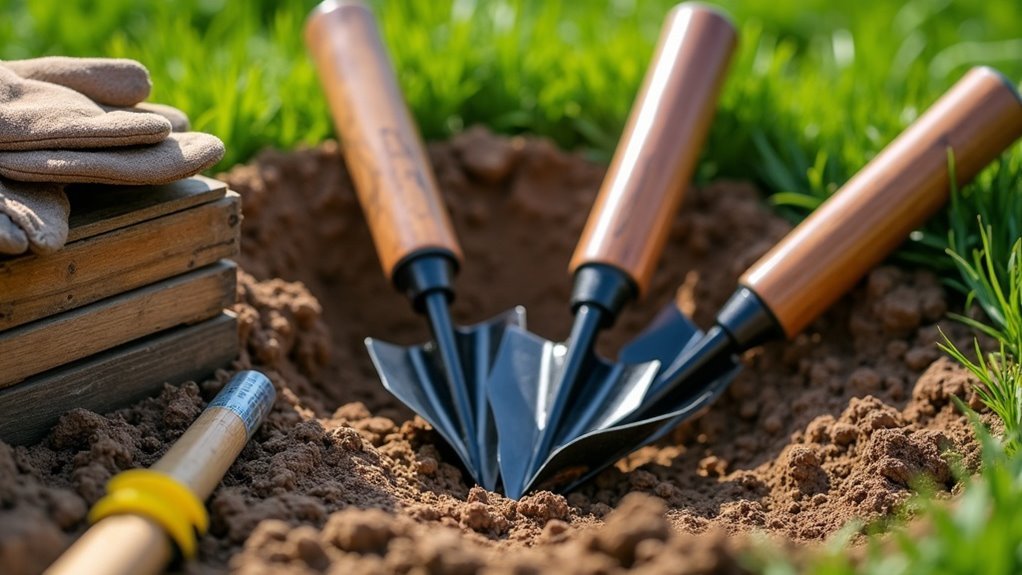
To build a post hole digger suitable for survival situations, begin by gathering 20 mm L profile steel and durable 45 x 4 x 160 mm plates for the body. Ensure that all surfaces are cleaned thoroughly to allow for reliable welding, which is crucial in emergency scenarios. Use clamps to stabilize your components during assembly. Shape a sharp spike on the steel plate; this will be essential for penetrating hard ground in survival conditions. Securely weld the spike to the holder to withstand rigorous use. When drilling, utilize the spike to break through tough soil, making it easier to create post holes for shelter or garden beds. Regularly test and adjust all components to ensure durability and efficiency, as reliability is paramount in prepping. For more detailed steps and enhancements to your project, refer to additional survival resources.
Key Takeaways
- Source L profile steel and durable plates, ensuring dimensions of 20 mm wide and 45 x 4 x 160 mm for the digger’s structure, crucial for building survival tools that can withstand harsh conditions.
- Grind edges of the plates to create a sharp blade, enhancing the digger’s effectiveness in penetrating tough ground, which is essential for digging post holes for fencing, shelter, or planting survival gardens.
- Use an inverter welder to securely weld components, ensuring clean surfaces for quality joints and adding reinforcement where necessary, as a reliable tool is vital in a prepping scenario.
- Design an efficient spike shape on the steel plate, grind it to a sharp point, and securely weld it to the main body, ensuring that the digger can effectively break through hard soil, which is important for establishing a secure living environment.
- Test the digger’s strength and performance regularly, making adjustments based on feedback and practical testing for improved reliability, ensuring that your survival equipment is always ready for use in any situation.
Gathering Materials
To kick off your survival project, you’ll need to gather essential materials for constructing a robust post hole digger. Start by sourcing L profile steel, ideally 20 mm wide, which can often be obtained for free from scrap materials or local metal suppliers.
Next, collect plates measuring 45 x 4 x 160 mm for the digger’s main body, ensuring they’re durable enough for rigorous use. It’s crucial to have a sharp blade for effective ground penetration, which can be achieved by grinding the edges of the plates to a fine edge.
Don’t forget to have clamps on hand to secure the plates during welding, as well as access to an inverter welder, since rust can significantly affect welding quality and the overall longevity of your tool. This will be an invaluable asset for your prepping and survival endeavors.
Welding Techniques
When welding the components of your post hole digger, it’s crucial to ensure that all surfaces are clean and free of contaminants to achieve the highest quality weld.
This is especially important in survival situations where durability is key. Use clamps to secure the plates in place, maintaining proper alignment and stability as you work.
If you encounter rust, consider adding additional welds to reinforce your joints, ensuring that your equipment is robust and reliable for any prepping or survival challenges you may face.
Welding Preparation Tips
Before you start any welding tasks in a survival or prepping scenario, it’s crucial to prepare thoroughly to ensure strong, long-lasting joints. First, make sure all materials are clean and free of rust, as any impurities can compromise the strength of your welds, which is essential for survival gear and structures.
Next, use clamps to secure plates, ensuring proper alignment and stability during the welding process—this is especially important when working on projects that could be critical in emergency situations.
Consider creating a template for cutting parts to enhance consistency; even if precision isn’t always crucial, it can help when making components for survival shelters or equipment.
If you’re new to welding, practice on scrap pieces to build your confidence and refine your technique, as this skill can be invaluable in a survival context.
Finally, always test the strength of your welds after completion; practical testing confirms their integrity and durability, ensuring that your projects can withstand the rigors of survival situations.
Strengthening Welds Techniques
Proper weld preparation plays a crucial role in ensuring your survival gear is durable and reliable.
Begin by ensuring all surfaces are clean and free from rust or contaminants, as this significantly enhances weld quality.
Utilize multiple strategically placed welds along joints to distribute loads evenly, which helps prevent failure at weak points—essential for gear that must withstand tough conditions.
When working with thicker materials, choose a heavier gauge welding rod to improve weld strength and penetration, ensuring your equipment can handle the rigors of survival scenarios.
Maintain a consistent technique—steady speed and angle—during welding to achieve a uniform bead.
After completing your welds, conduct tests; reinforce areas showing signs of weakness or stress with additional welds to guarantee your gear remains dependable in critical situations.
Shaping the Spike
To shape the spike for your post hole digger, begin by sketching the desired profile on the steel plate, ensuring it aligns with your survivalist needs.
Grind both sides to achieve a sharp edge, prioritizing cutting accuracy for digging through tough terrain.
Remember to secure the spike to the holder with strong welds, as this stability is crucial for effective digging in emergency situations or when establishing a secure perimeter for your prepping endeavors.
Spike Design Techniques
Shaping the spike for your post hole digger is essential for efficient ground penetration, especially in survival situations where quick access to the earth can be crucial.
Begin by sketching your desired spike shape on the steel, taking into consideration the types of soil you may encounter in the wild. Grind the spike on opposite sides to create a streamlined design that aids in penetrating tough ground conditions.
Ensure the spike is securely welded to the holder to provide stability during digging operations, which can be vital for setting up shelters or planting emergency food sources.
Utilize clamps to hold the plates in place while welding, ensuring precision and alignment throughout the process. A sharp blade is critical for breaking through resistant soil, allowing you to dig quickly and efficiently when time is of the essence.
Finally, after welding, test the strength of the spike and holder assembly to confirm its durability and effectiveness in various survival scenarios.
Grounding and Shaping Methods
When crafting the spike for your post hole digger, it’s crucial to consider the various soil types you’ll face, as this directly affects the shape and effectiveness of your design in survival situations.
Follow these steps to shape your spike effectively for prepping and self-sufficiency:
- Sketch the desired spike shape on both sides of a durable steel plate.
- Grind down the edges to create a sharp taper for easier penetration into hard or compacted soil, which can be vital for setting up shelter or planting survival crops.
- Securely weld the spike to the holder to ensure stability during use, which will be important when you need to rely on your tools in the field.
- Use clamps during the welding process to maintain alignment and prevent distortion, ensuring the tool remains functional under pressure.
- Regularly test the strength of your welds, particularly if you’re using salvaged or rusted materials, as reliability is key in survival scenarios.
A sharp blade is essential for penetrating tough soil quickly, allowing you to focus on your survival tasks without unnecessary delays.
Drilling Methods
As you prepare to drill post holes for your survival or prepping projects, understanding the various methods available is crucial for achieving ideal results.
When facing dry soil, start with a spike to break up hard ground before drilling, as this can be essential for establishing strong structures in a survival situation.
If powered drills aren’t an option—due to power outages or resource constraints—consider hand drilling, though it will require more physical effort and endurance.
Always ensure that your auger’s blade is sharp for efficient cutting through the soil, as every second counts when you’re working to set up your preparedness measures.
Additionally, making adjustments to your post hole digger’s design can enhance drilling ease and efficiency, allowing you to work more effectively in the field.
Remember to use clamps to secure plates during welding, as this improves the stability and reliability of your tool, facilitating a smoother drilling process when you need to establish secure foundations for your survival projects.
Testing and Adjustments
To ensure that your post hole digger is ready for survival situations, testing and making necessary adjustments is crucial. Here are key areas to focus on:
- Confirm welds are reinforced to withstand harsh conditions and improve durability for long-term use.
- Sharpen the blade for optimal ground penetration, ensuring you can quickly establish shelter or garden plots when needed.
- Modify the spike design for enhanced stability during drilling, allowing for efficient operation even in challenging terrains.
- Agitate hard soil with the spike before drilling to make the process easier, especially when preparing land for planting or other survival needs.
- Integrate community feedback to refine design features based on real user experiences, ensuring your tools meet the demands of survival situations effectively.
Community Inspiration
Engaging with a community of survivalism and prepping enthusiasts not only fuels creativity but also offers valuable insights for your post hole digger project. By sharing your design on platforms like YouTube, you inspire others and receive constructive feedback that can enhance your survival tools. Collaboration can improve your digger’s design and functionality, while documenting your challenges fosters a supportive learning environment among fellow preppers.
| Platform | Benefits | Tips |
|---|---|---|
| YouTube | Inspire others, gather feedback | Use clear visuals relevant to survival techniques |
| Forums | Share experiences, get design suggestions | Be open to critiques and share your prepping knowledge |
| Social Media | Build community, promote your projects | Engage with followers and share survival tips |